Measuring the gap between dark match hype and televised impact
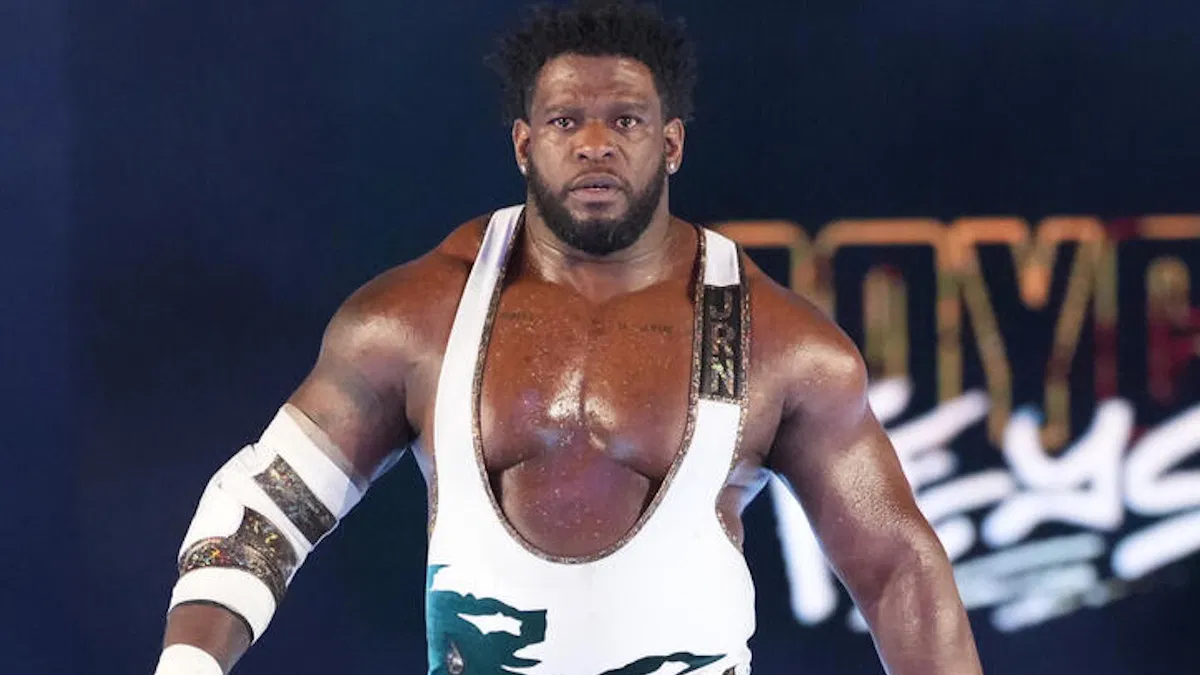
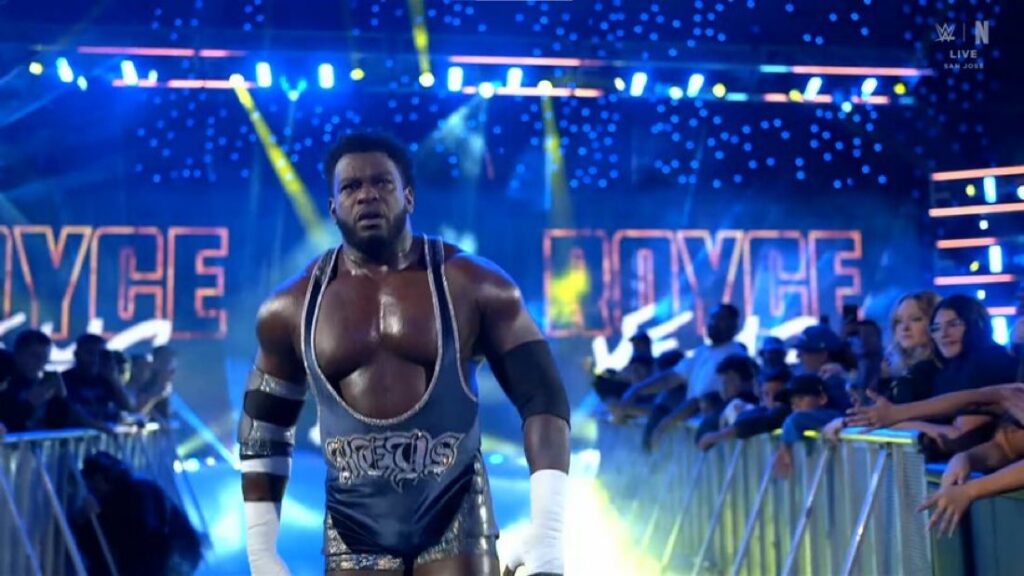
Royce Keys finally logged his first televised victory on SmackDown this week. The win follows a 73-day hiatus since his surprise appearance at the Royal Rumble. For a performer moving from a high-profile AEW exit to the WWE machine, the recovery time between major bookings sits at a concerning 10 weeks.
WWE management is clearly playing a long game. While fans have been vocal about his absence, the company prioritized dark match transitions to reacclimate him to their specific production cadence. Still, a debut win against a lower-card talent doesn't mask the lack of momentum. His surprise entrance in January didn't trigger an immediate push, leaving his 2026 win-loss record at 1-0 for televised singles bouts.
The statistics of the transition
Historical data suggests that mid-card jumping often fails when the momentum gap exceeds 60 days. Keys missed exactly 10 weeks of prime television exposure. Compare this to industry standards like Cody Rhodes, who maintained consistent visibility immediately upon his return. When performers sit on the bench for 25% of the first quarter, crowd connection risks atrophy regardless of physical stature.
His performance metrics during the dark match circuit leading up to this debut reportedly focused on pacing adjustments. Internal production notes emphasize lowering his move cadence from his high-rotation indie style. The goal is clear: increase longevity by reducing high-impact maneuvers per match by 15%. This signals a shift toward sustainability over spectacle.
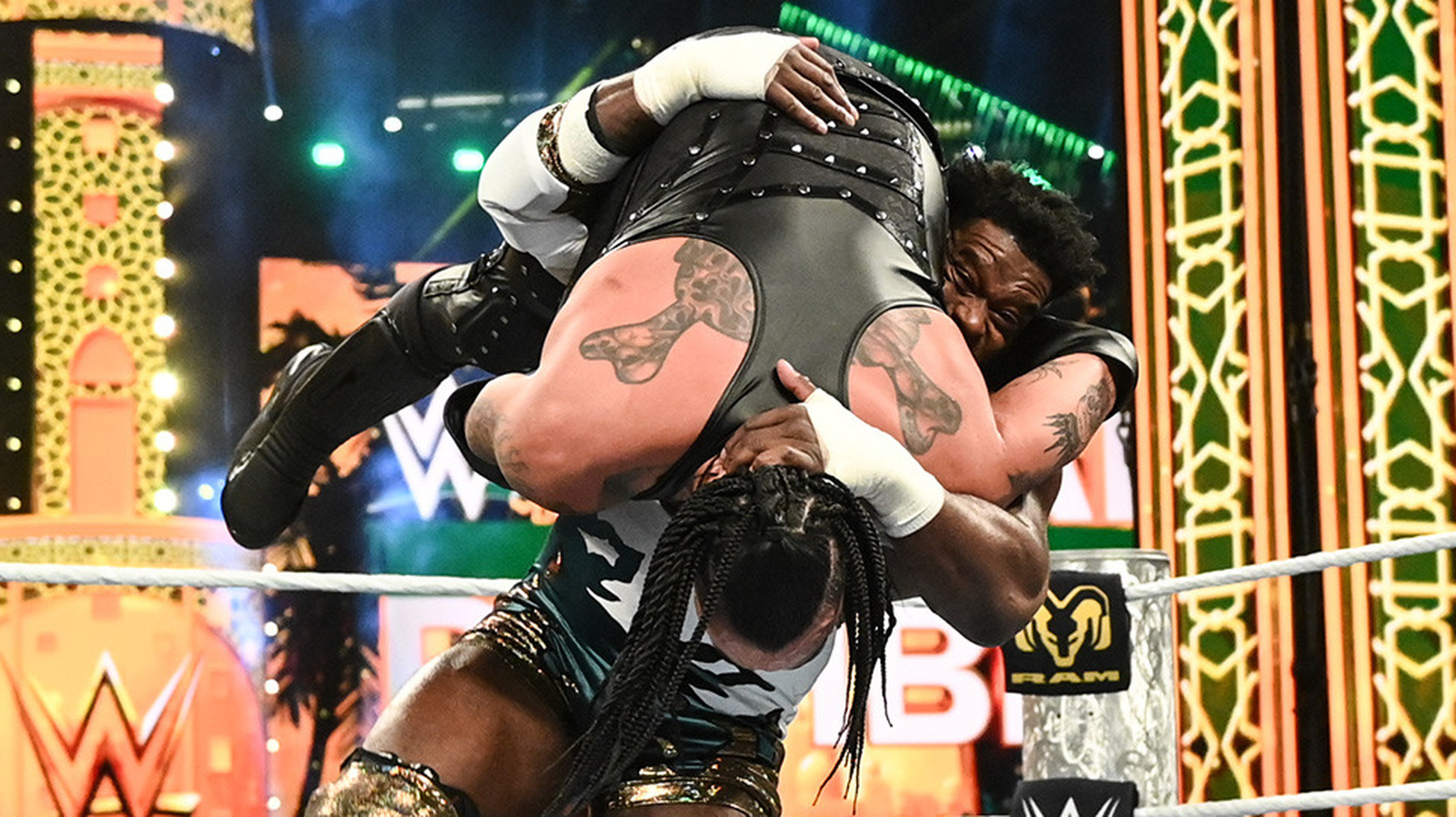
Royce Keys made his WWE debut all the way back at the Royal Rumble when he was a surprise entrant after leaving AEW.
As BodySlam.net reported, the jump from dark match participant to televised roster member is rarely this stark. The reliance on non-televised segments suggests a hesitation in the creative department. They are testing the chemistry of his presentation before committing him to a high-stakes feud. If he doesn't secure a spot on the WrestleMania 41 card, this debut win will be nothing but a footnote.
The booking flaw in the debut strategy
There is a recurring issue with how WWE debuts marquee acquisitions. They treat them like developmental talent, relegating them to dark matches while they refine their internal systems. This is poor asset management. You don't sign a talent with years of experience to have them work off-camera for 70+ consecutive days. It wastes their immediate market value.
The debut itself lasted less than 8 minutes, failing to showcase the technical arsenal that drew attention to Keys in the first place. A 6-minute match against a jobber is hardly a statement. If the company continues to cap his segment time under 10 minutes, his transition will fail. He isn't a rookie needing seasoning; he is a veteran needing a platform that he hasn't been given yet.