Measuring the cost of digital proximity
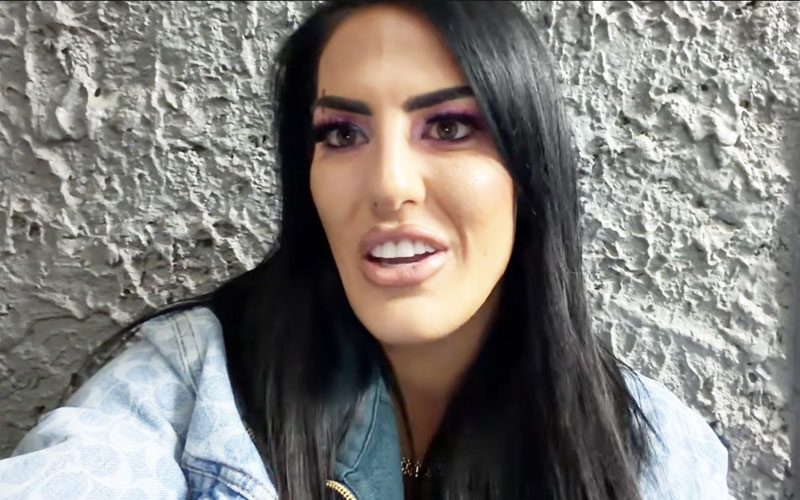
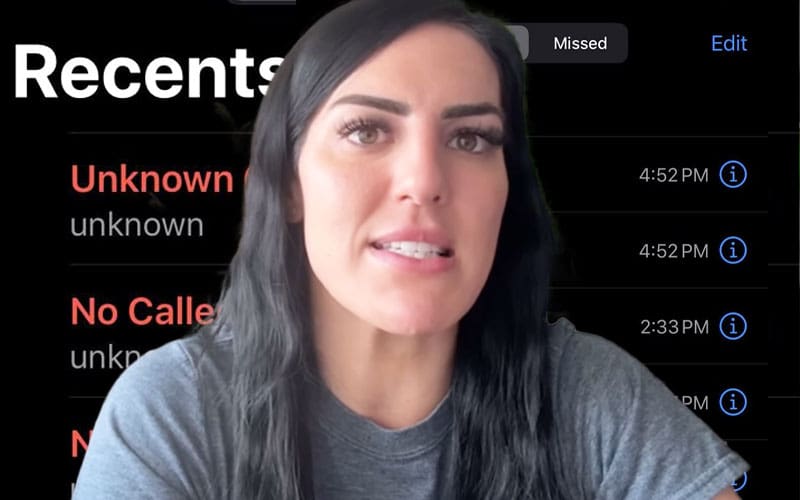
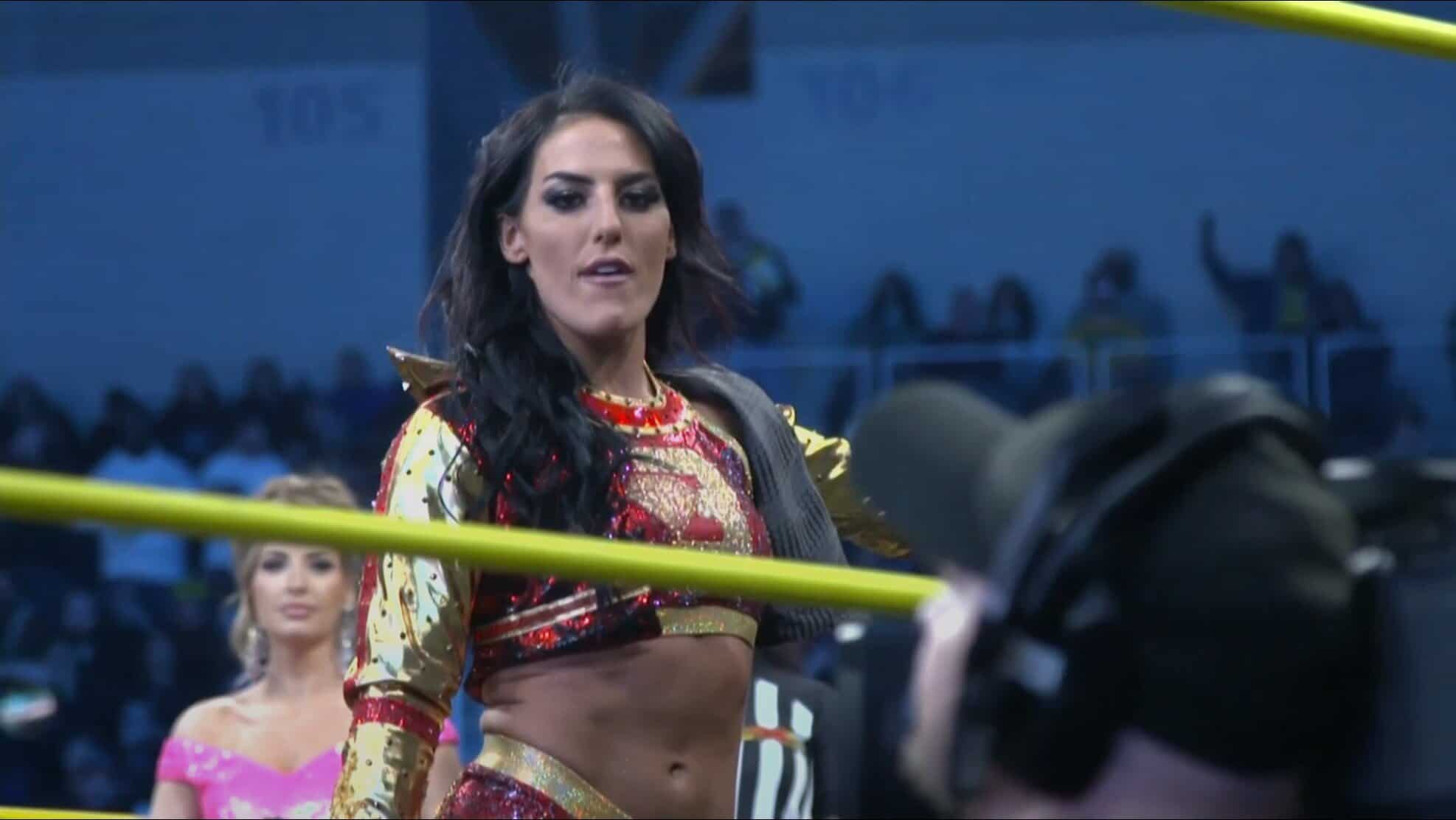
The boundary between a performer and their audience has long been thin, but recent events regarding Tessa Blanchard highlight a complete structural collapse of that barrier. Blanchard reported receiving dozens of unsolicited calls and messages, a clear escalation from the standard feedback loop athletes endure. This isn't just about booing a heel during a promo. This is the weaponization of personal contact information to create a deliberate psychological strain.
Technical analysis of wrestling fan engagement usually centers on ticket sales or television ratings as markers of success. We rarely stop to calculate the human maintenance cost. If an athlete has to swap phone numbers every fiscal quarter merely to prevent harassment, the work environment has suffered a measurable failure. Wrestling audiences pride themselves on being intense, but recent reports from WrestlingNews.co underscore a lack of professional etiquette that transcends the gate.
The strategic failure of the modern fan
From a tactical perspective, these displays of digital aggression carry zero strategic value. They don't improve the product, they don't influence booking decisions, and they alienate the talent. I have watched numerous storylines from the 1990s through today, and I struggle to find a moment where harassing a performer improved the pacing or the quality of a match. The move toward digitizing harassment is a lazy feedback mechanism from a segment of the fanbase that interprets access as ownership.
We are currently in a high-stakes period with WrestleMania 41 looming on April 19, 2026, a date that represents the largest revenue driver on the calendar. Management expects total concentration from the roster. Expecting talent to deliver refined psychology and peak athletic output while being bombarded by anonymous bad actors is a recipe for creative burnout. Any analyst covering this space knows that when the human element becomes unstable, the product on the screen inevitably dips.
Defining the standard for professional conduct
The industry needs a standard reset. We analyze high-spots and finishing sequences with forensic detail, yet we ignore the base-level stability required to perform them. A wrestling match requires trust between opponents and, by extension, a baseline of psychological safety for the performers. When that is breached, we aren't watching a sports production; we are watching a public breakdown, which is fundamentally unentertaining.
My prediction is simple: until the industry develops a more robust protective response to digital stalking, we will see a decline in the availability of top-tier talent for intimate fan interactions. Performers are retreating into shells for self-preservation. It is a predictable outcome. The most talented individuals will simply stop making themselves accessible, and the fans who actually engage with the sport in good faith will be the ones who lose out on the connection. The long-term trajectory for this behavior leads to a sanitized, closed-off sport.