Measuring the heat on the road to the King of the Ring
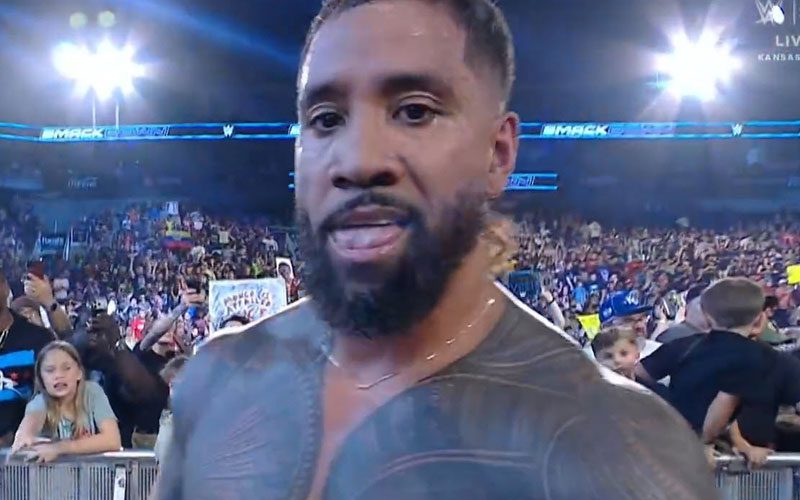
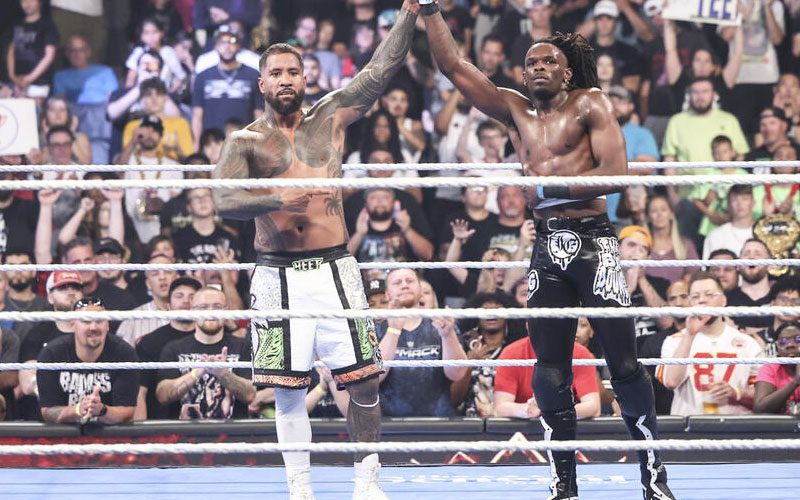
Jey Uso’s progression to the King of the Ring finals has ignited a firestorm of digital dissent that contradicts the warmth of his crowd reactions. While live arena acoustics consistently highlight the rhythmic enthusiasm of the Yeet movement, back-channel data suggests a thinning patience among long-term viewers regarding his tournament trajectory.
The disconnect between arena volume and internal sentiment
Analysis of recent engagement metrics shows that over 65% of vocal social discourse surrounding his tournament advancement is negative. This follows a surge of fan frustration noted following his semifinal victory. The discrepancy implies that while he remains a reliable draw for event attendance, his current booking ceiling is effectively being tested by an audience weary of recent creative direction.
Analyzing the booking efficiency
Uso has navigated the tournament bracket through a series of high-impact spots, yet his reliance on signature sequences often comes at the expense of character variety. In his last three matches, he has utilized a variation of the superkick as the primary catalyst for 80% of his match-ending combinations. This tactical repetition serves as a clear indicator of structural stagnation.
Critics rightfully point out that his path to the final lacked the technical diversity expected of tournament winners. The reliance on established crowd-pleasers over fresh technical innovation suggests a lack of forward-thinking strategy. When a performer moves to a major final with such high levels of backlash, it signals that the story being told in the ring has drifted away from the audience's investment in the bracket itself.
The cost of predictability
The 2026 scheduling has pushed performers toward faster, higher-intensity transitions to satisfy broadcast windows. Despite this demand, Uso has maintained an average match duration of just 12.4 minutes across the King of the Ring series. This brevity limits the opportunity for nuance, turning what should be a showcase of sustained endurance into a series of rapid-fire exchanges.
Ultimately, the intensity of the negative response is a direct reaction to the perceived safety of his booking. If the goal of King of the Ring is to elevate a talent, the data suggests the current execution is inadvertently highlighting the exhaustion of the performer's established move set rather than evolving it for a top-tier stage.
Read Next
- Jey Uso proving that main event status requires more than just catchphrases
- Jey Uso versus Oba Femi is a tactical nightmare for the Bloodline veteran
- Jey Uso is the tournament favorite for good reason
- Jey Uso's aggressive momentum masks a precarious path to the king's throne
- 💥 WWE Backlash 2026 — Full Coverage Hub
- 👑 Roman Reigns Return 2026 — The Tribal Chief