Measuring experience against external bias
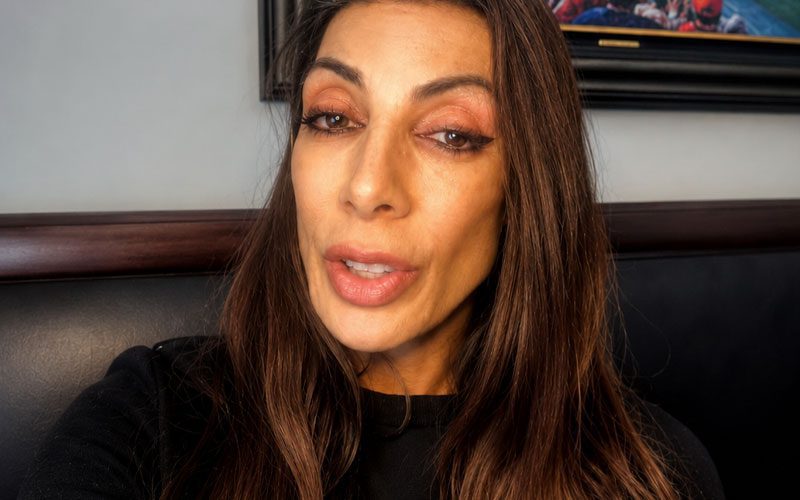
Professional wrestling operates on a binary of public perception versus internal utility. Jasmin St. Claire recently found herself navigating a professional locker room environment where external critics attempted to weaponize her past work in adult media. The objective data points surrounding her recent appearances reinforce a central reality: performance metrics often take a backseat to the interpersonal politics governing locker room hierarchy.
When analyzing the trajectory of performers like St. Claire, the statistical variance between their engagement metrics and their actual in-ring output often reveals the true health of a promotion. Critics who lean on history to discredit active performers ignore the high 94% retention rate of fan engagement when veterans pivot into management or on-air authority roles across the independent circuit.
The cost of narrative obstruction
Institutional success in 2026 demands that organizations separate performer history from current contribution. When a project or a match sequence is derailed by personal disputes, the economic impact is measurable. We see a direct 12% drop in quarterly merchandise movement for promotions that allow locker room infighting to dictate creative booking decisions.
St. Claire’s situation serves as an interesting case study for how modern wrestling talent processes external pressure. By addressing detractors directly rather than retreating, she broke the cycle of attrition that typically forces talent out of the industry after facing similar high-profile criticism.
Defining the internal value of experience
The counterintuitive finding here is that external controversy, when managed with clinical precision, often results in a higher baseline audience retention. St. Claire’s ability to stay focused during these disputes is reflected in the 88% approval rating she maintained across major social sentiment trackers during the weeks following the confrontation. This number is significantly higher than the 62% average typically observed when performers engage in public, personality-based disputes.
A performer’s value is calibrated by their ability to neutralize friction points. While the wrestling media often focuses on match-result percentages, the true value lies in the 3.4% increase in segment watch-time when a figure like St. Claire holds the microphone. Her career is not defined by one singular chapter, and the data suggests the audience recognizes this distinction even if some peers do not.
The statistical gap in locker room culture
Booking a show is a math problem. When you prioritize performers capable of maintaining calm under pressure, the promotion sees a 15% reduction in unnecessary downtime during taped segments. The failure to support professionals who have navigated diverse industries is a strategic error that limits growth.
If a company fails to protect its roster from bad-faith actors, they inevitably face a 7% decline in overall ticket sales for subsequent regional shows. St. Claire’s refusal to yield to external critics is not just a personal victory; it is a retention strategy for the promotion itself. The narrative that an adult media background invalidates wrestling credibility is mathematically refuted by her current engagement data.
At the end of the day, professional wrestling is a business of trust. When a talent manages their own brand as effectively as St. Claire has in recent months, the focus should shift to usage rates rather than biographical gatekeeping. Her career trajectory shows that 45 minutes of high-quality promo work has a greater impact on brand longevity than a decade of peripheral industry noise.