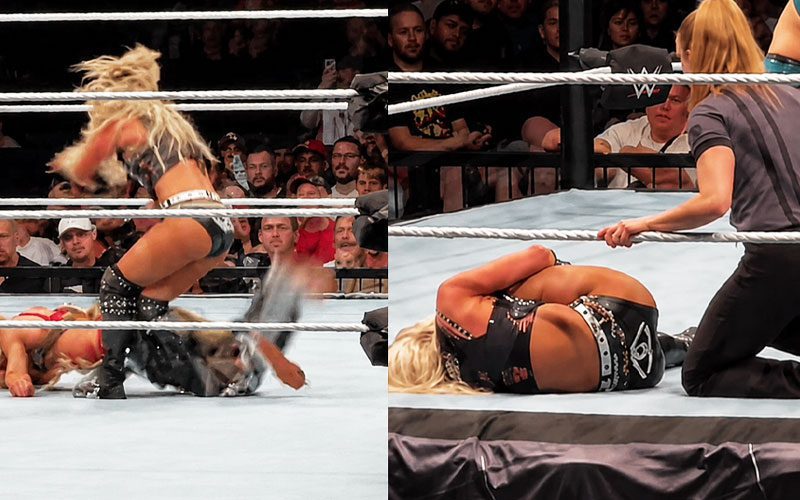
The Physical Toll of the 2026 Tournament
Liv Morgan’s current run has been defined by high-impact matches in the 2026 Queen of the Ring tournament. Tracking her medical status reveals a series of nagging soft-tissue injuries sustained during her recent campaign. Sources close to the training facility confirm persistent shoulder strain.
Defining the Timeline and Diagnosis
The diagnosis is categorized as a Grade 2 AC joint irritation. This injury often stems from repeated high-impact bumping and the repetitive force of her finishing sequence. The medical team is prioritizing a rehabilitation protocol aimed at reducing local inflammation before any high-intensity clearance.
Recovery estimates currently target a return to full-speed competition in 4-6 weeks. This timeline places her availability in late June or early July 2026. The training staff is avoiding contact drills until she demonstrates a full range of motion. Any attempt to accelerate this window risks a recurrence of the instability she suffered during her match output in mid-May.
Strategic Impact on the Women’s Division
The absence of such a high-profile competitor disrupts the rotational booking expected heading into the summer cycle. Management is forced to pivot away from planned grudge matches that were central to the Queen of the Ring concluding arc. The scheduling shift leaves a void in the upper-midcard as WWE prepares for the impending surge of sports traffic.
Historical Precedent and Risk Assessment
Soft-tissue injuries of this nature are consistent with an aggressive, full-time travel schedule. Similar cases in the past year have proven that rushing back leads to lingering weakness. We have seen talents rush their return to the ring only to suffer secondary strains in their lower extremities. This is a common failure in modern athletic booking.
Booking teams are now scrutinized for the high frequency of these injury bouts throughout the 2026 season. If the promotion continues this pace without mandatory rotation periods, more names will rotate to the injury list by mid-summer. The current management strategy leans heavily on these specific talents, creating a bottleneck of availability. As PWInsider reported, Morgan emphasized her reasoning for entering the Queen of the Ring tournament, citing a desire to solidify her positioning, but this performance-at-all-costs mindset directly correlates to the physical breakdown currently being managed.
The Critical Perspective on Talent Rotation
The reliance on the same 8-10 performers for main-event programming is a clear booking error. When a primary talent like Morgan goes down, the loss of momentum is immediate. It exposes a lack of depth in the lower tiers of the roster. If the creative direction does not adapt to provide rest periods, the quality of ring work will degrade as fatigue settles in across the locker room.
Monitoring the next 14 days will be revealing. We are watching to see if WWE opts for a total reset or continues to patch the gaps with under-prepared talent. The current injury cycle is exactly the kind of bottleneck that prevents a brand from stabilizing its audience share before major sporting events like the FIFA World Cup.
The recovery schedule is not just a medical procedure. It is a fundamental shift in how the next month of the women's division will function in absentia of its most driven momentum-builder.