The Big Picture
Sol Ruca's rapid trajectory in WWE hit a sudden roadblock when her NXT Women's North American Championship reign ended abruptly against Kelani Jordan. What should have been a momentum-building title transition has instead opened up urgent questions regarding her long-term physical durability and WWE's booking tactics for rising stars.
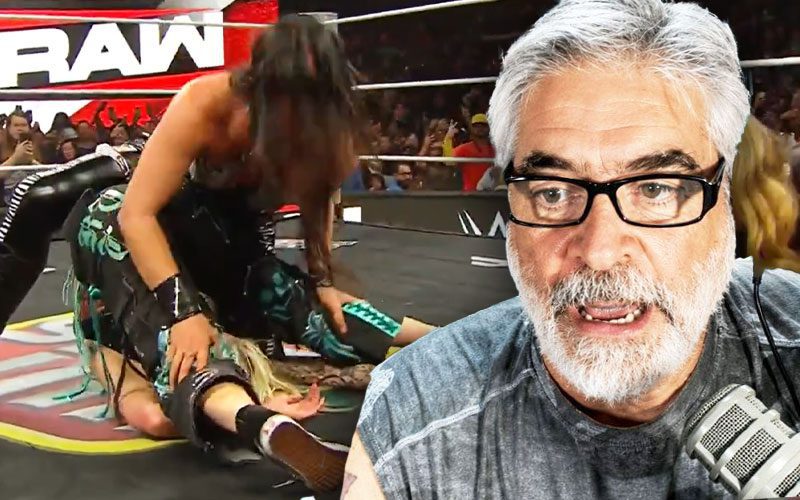
Former WWE head writer Vince Russo didn't hold back on Busted Open Radio when dissecting the championship change. Russo argued that pulling the title off Ruca so quickly damages her standing, pointing out that short, fragmented title runs undermine a performer's perceived legitimacy before they ever reach the main roster.
Beyond the creative criticism, industry observers are closely monitoring Ruca's condition. Coming off previous knee injuries, the physical toll of her high-flying style—defined by her signature Sol Snatcher finisher—raises genuine health and conditioning concerns as NXT ramps up its television schedule.
Physical Demands and Medical History
Ruca's dynamic in-ring style relies heavily on explosive springboards, rotational agility, and high-impact landings. While the Sol Snatcher remains one of the most visually stunning finishers in professional wrestling, the biomechanics required to execute a backflip off the turnbuckle into a cutter place severe stress on the lower extremities, particularly the knees and ankles.
Ruca previously suffered a torn ACL that sidelined her for nearly a full calendar year. For a high-impact athlete, returning from major reconstructive knee surgery demands rigorous load management and biomechanical adjustments to prevent secondary compensation injuries or re-tears.
When a wrestler with a major surgical history loses a title unexpectedly, medical protocol often intersects with booking logic. WWE's medical staff frequently limits in-ring workloads or orders precautionary downtime when a talent reports lingering joint discomfort or muscular fatigue during heavy broadcast stretches.
Booking Realities and Industry Impact
Russo's main critique focuses on the structural risk of hot-potatoes title belts among development talent. Pushing a performer to the top spot only to pull them back creates whiplash for the audience and hampers long-term drawing power.
Historically, premature title changes driven by physical setbacks have plagued promising runs across every era. When an athlete's physical capabilities outpace their body's structural tolerance, promotion management is forced to pivot abruptly, often leaving creative storylines stranded mid-stream.
For Kelani Jordan, taking the championship provides a massive opportunity, but it also highlights the thin line NXT walks between athletic presentation and physical preservation. The division needs consistent marquee matches, yet over-exerting top prospects risks systemic burnout.
Strategic Implications Moving Forward
WWE faces a strategic choice with Sol Ruca's long-term development. Continuing to rely on high-risk, acrobatic spots without adjusting her match structure could lead to recurring stints on the training table, limiting her viability as a reliable main-roster draw.
The company's performance center medical staff must evaluate whether modifying Ruca's move-set—specifically reducing the frequency of rotational springboard moves—is necessary to protect her knees over a multi-year career trajectory. Top performers like Seth Rollins and Tegan Nox have faced similar crossroads after major ligament repairs.
Ruca possesses undeniable star power, natural charisma, and elite athleticism. However, balancing raw physical talent with sustainable ring mechanics remains the single biggest challenge facing both her and WWE officials as she navigates this pivotal career transition.