Providence crowd left wanting as SmackDown treads water
The blue brand rolled into the Amica Mutual Pavilion in Providence, Rhode Island, on June 12, 2026, looking for a strong lead-in to the summer schedule. Instead, the two-hour broadcast felt like a holding pattern. With the latest SmackDown results revealing a lack of meaningful progression, the creative direction remains opaque at best.
Television production value was high, as always, but the booking lacked the urgency a weekly wrestling show requires. Matches felt like contractual obligations rather than integral parts of a larger story. When the matches lack heat, the entire two-hour block begins to drag, leaving the capacity crowd in Rhode Island notably stagnant for long stretches of the night.
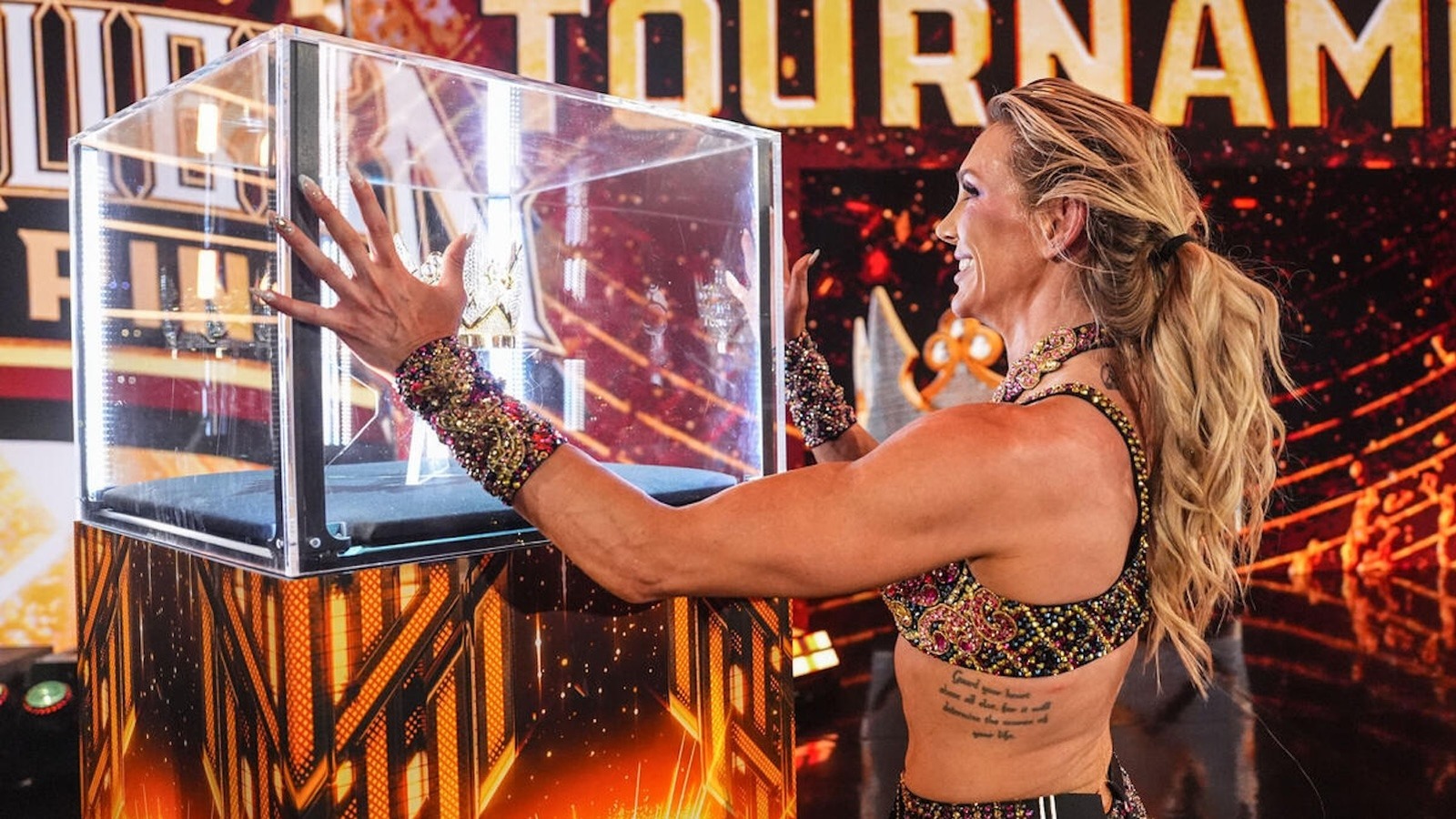
The Queen of the Ring fallout remains unresolved
The women's division is currently operating in a vacuum. Following the recent tournament conclusion, the absence of a clear narrative direction for the division leaders is becoming a distraction. Rotating championship contenders is one thing; failing to establish a credible long-term threat is another.
The creative team is leaning too heavily on recycled rivalries rather than investing in new prospects. Fans are seeing the same combinations on repeat, which kills the buzz for any potential title change. If the intention is to sustain interest through the summer, this cycle of mid-card filler needs to end immediately.
The unpredictability of the current booking process is a double-edged sword that is currently cutting the wrong way.
That observation summarizes the frustration within the locker room and the fanbase. When every outcome feels randomized rather than earned, the significance of winning a match evaporates. It makes it difficult for viewers to justify a Friday night investment when the logic behind the booking is so transparently thin.
Mid-card malaise hits the USA Network telecast
The match quality itself suffered from a lack of stakes. While the technical execution was fine, wrestling is not just about sequences and hold-for-hold exchanges. It needs to be about conflict, and much of the action in Providence felt sterilized, lacking the grit expected from a premier wrestling product.
We saw several veterans taking losses that felt unearned, serving only to reset win-loss records rather than build character depth. The 50/50 booking strategy is a plague that continues to undermine the efforts of talent who are putting their bodies on the line. When nobodies beat established stars every other week, nobody stays established for long.
The pacing of the show was similarly disjointed. Frequent commercial breaks shattered the flow of the main events, making it nearly impossible for the viewers at home to get locked into the rhythm of the action. By the time the final bell rang in the main event, the energy in the arena had shifted from anticipation to apathy.
A desperate need for narrative cohesion
Internal sources have mentioned that the writing team is under pressure to pivot, but these changes are yet to manifest on camera. Consistency is the primary issue. One week we see intense character work, and the next we revert to generic "friendly competition" tropes that nobody requested.
The roster possesses significant talent, yet they are being constrained by a lack of clear motivation. It is not sufficient to simply throw wrestlers together because their names look good on a poster. You need an underlying reason for the violence, a story that bridges the gap between the entrance ramp and the final pinfall.
Expectations for the next few weeks are low unless the creative staff pivots away from this repetitive loop. They have reached a point where the status quo is preventing growth. Without a change in tone, the next PLE will struggle to feel like a destination event.
The decision-makers have the tools to correct this, but the commitment to a long-term plan is clearly lacking. They have roughly 14 days before the next major cycle begins, a tight window to rectify the booking errors of the last month. We will find out soon if they have the nerve to actually pull the trigger on a real shift.