The final stop before the big show
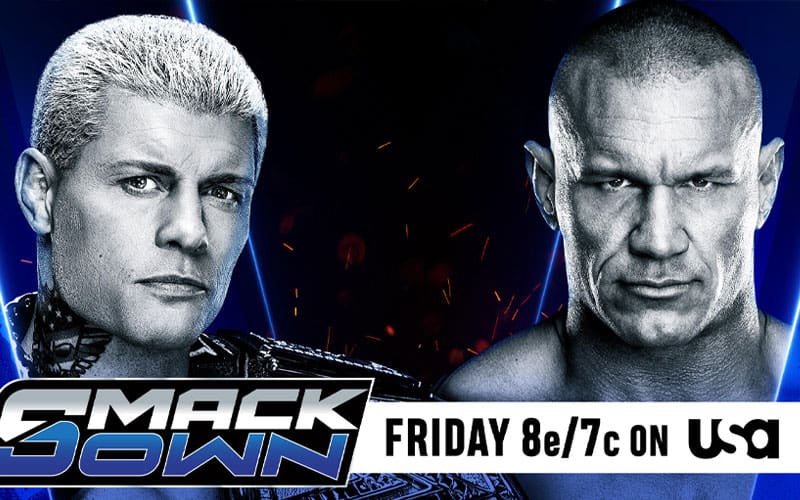
The road to WWE's marquee event has hit its final junction. Friday night's edition of SmackDown served as the definitive gear-up, locking in critical storylines before the stadium gates open. While the fully lit stage at Allegiant Stadium looms large, the actual in-ring plans revealed this week suggest that management is prioritizing high-intensity collisions to set the tone.
Reports confirming the full card for the April 17 broadcast indicate a deliberate focus on balancing final hype with the need to protect key talent ahead of the weekend. Match quality across the board was designed to be high, though some fans might find the sheer volume of segments on the final go-home show stifling given the imminent two-night event.
Defining the Women's Division narrative
The Women’s United States Championship picture reached a boiling point with plans for a new challenger. According to Fightful Select, Tiffany Stratton is positioned effectively in the number one contender’s match. This move signals a clear belief in Stratton’s upward mobility within the division, aiming to provide a fresh foil for the current titleholder as the post-WrestleMania program begins to take shape.
However, the reliance on tournament-style booking can feel repetitive. While talent like Stratton benefits, others are left waiting on the sidelines without meaningful screen time. It is a gamble on consistent growth versus immediate impact.
The heat between McIntyre and Fatu
Perhaps the most visceral talking point heading into the weekend is the escalating war of words between Drew McIntyre and Jacob Fatu. Following Fatu’s promo on SmackDown, McIntyre did not mince his words, issuing a warning that underscores the stakes of their upcoming encounter.
Drew McIntyre didn’t hold anything back after Jacob Fatu’s April 17 WWE SmackDown promo, firing back with a heated message that turned brutal.
This feud is functioning as the emotional anchor for the undercard. It injects a sense of danger into the narrative, shifting focus away from the spectacle and toward pure physical conflict. If these two can replicate this intensity in the ring, it will likely be the highlight of the mid-card.
The lifestyle of the sidelined
Not every performer on the roster is dealing with the pressure of a featured marquee match this year. Lola Vice, who found herself outside the match card, spoke candidly about the change in tempo. According to Vice, the absence of a competitive match-up allowed her to engage more with the festivities surrounding the show.
This highlights the massive shift in how talent experiences these massive weekends. While the veterans and titleholders remain in a bunker-like mindset, the depth chart is increasingly used for media and fan interaction. Whether this is an efficient use of talent or a wasted opportunity for exposure remains the primary debate among those following the brand's creative direction.
The logistics of the opening bell
Transparency regarding the event structure has reached an all-time high with the confirmed opening match for Saturday's show. By signaling the intended opener early, the production team is shifting expectations toward specific performers tasked with getting the crowd settled and energized. It is a strategic move, focusing on high-energy talent to clear the initial hurdle of the arena atmosphere.
The stage setup itself, now seen by fans via social media leaks, points to a massive commitment from the production department. The total cost and logistical scale of the Nevada setup eclipse many regional stadium shows. With everything from the opening segments on SmackDown to the opening match at the event finalized, the focus transitions entirely to execution.
The pressure is now squarely on the talent to live up to the production value. Historically, these shows can suffer from pacing issues when the card becomes bloated, and the inclusion of multiple unadvertised segments suggests there is little margin for error on the broadcast clock. The success of this weekend will rely heavily on whether the transition from the frantic pace of the go-home show to the slow burn of the two-night event is managed effectively.