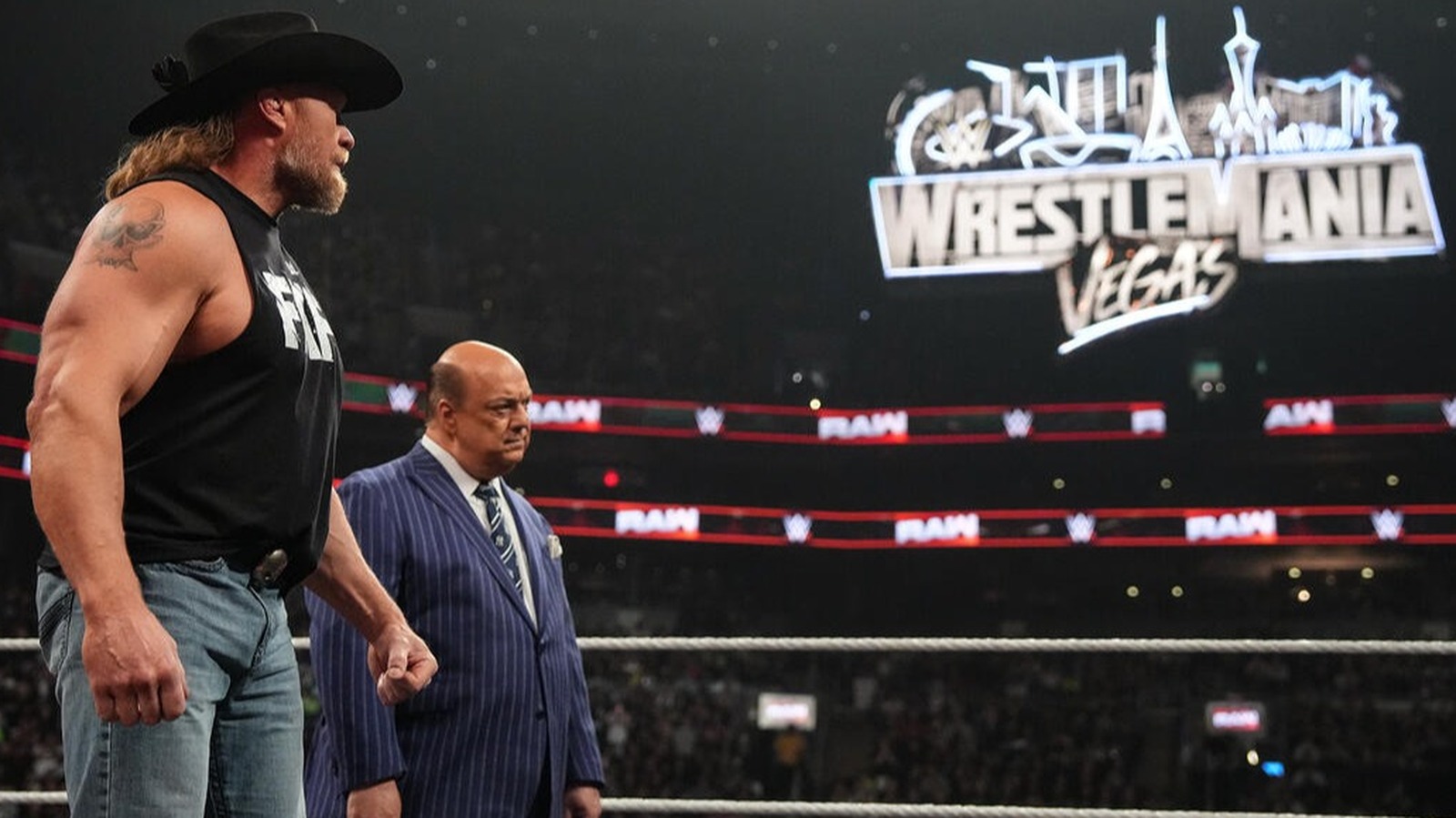
The quiet side of WrestleMania 41
As the clock ticks toward WrestleMania 41 this weekend, the absence of Paul Heyman from the marquee main event picture has become a glaring narrative void. Heyman has spent years anchoring the most significant stories in professional wrestling, specifically during the long-running Bloodline saga. His current distance from the spotlight at Lincoln Financial Field suggests a cooling phase between the veteran strategist and current booking priorities.
Sources close to the situation indicate that Heyman is not cooling his heels in retirement. Instead, industry chatter has pivoted toward where a mind of his caliber provides the highest return on value outside of his current WWE engagement. While he remains tied to the company's long-term structure, his vocal frustration regarding recent creative directions has reached a boiling point.
Creative friction in Stamford
Heyman’s public comments suggest a man who sees himself as an architect of the main event. Being sidelined during the biggest weekend on the calendar, as previously discussed in recent reports regarding his frustrations, serves as a clear indicator of organizational tension. He has never been a figure content to inhabit a background role while younger, inexperienced minds shuffle the deck.
The criticism regarding his current placement is valid. WWE has moved toward a more ensemble approach to the main event scene, prioritizing massive spectacles over the slow-burn psychological storytelling that defined Heyman’s partnership with Roman Reigns. If his role remains limited to non-essential programs, the probability of him seeking an external environment to test his philosophies increases significantly.
Trajectory and departure risks
Heyman's brand as the ultimate manager and behind-the-scenes consultant is cemented. However, his history proves he is not a company man at the cost of his own legacy. When he feels that his influence is being curtailed or his ideas are falling on deaf ears, he has historically sought new pastures. His presence in the industry usually dictates the quality of the top-tier promos and the depth of character development.
The potential for a move outside of WWE—or a move toward a high-level creative autonomy role elsewhere—remains a topic of quiet focus. If he departs, he leaves a vacuum that no current manager or creative lead is currently equipped to fill. The challenge for any promotion interested in his services would be balancing his oversized personality with the existing roster culture.
Probability and outlook
The probability of Heyman leaving his current setup within the next six months matches a low-to-moderate assessment. He is deeply entrenched in the internal mechanics of Stamford, and leaving during a record-setting fiscal period for the organization is a risky venture. However, if he is not featured in the creative fallout following Backlash on May 9, 2026, the rhetoric from his inner circle is expected to intensify.
A future move would likely be less about an on-screen role and more about creative control in a smaller, agile promotion. He thrives when he has absolute authority over the narrative. If the current WWE creative team continues to push him toward the fringe of the product, he will look for a sandbox where he can dictate the rules rather than follow them.
The cost of stagnation
The obvious, arguably damning, flaw in relying on Heyman as a background player is the underutilization of his promo ability. There is no benefit to keeping a performer of his historical stature contained during the hottest period of the year. Allowing a legend to drift toward the edges of the card is a management failure that risks alienating a vital asset. If this deal for his ongoing role remains stagnant, the company loses the most articulate voice in the industry.
The impact of a potential exit, or even a prolonged period of public dissatisfaction, would be felt in the quality of the segments viewers see on Monday nights. His absence from the main event isn't just about his ego; it is about the loss of a specific, high-level approach to wrestling television. The sport risks becoming flatter if the most interesting man in the room is busy debating his future while others walk the ramp.