The physical cost of the championship pursuit
Seth Rollins enters the final stretch before his scheduled clash with Roman Reigns at SummerSlam carrying a documented history of nagging joint issues. The grind of three televised matches in the last twenty days has placed immense strain on his knees, an area that has required recurring maintenance over the past calendar year. Professional wrestling is a game of diminishing returns on joint health, and the intensity of his current program is testing the limitations of his recovery protocols.
Reports indicate that the coaching staff has mandated modified training sessions to preserve his mobility for August. While public optics emphasize his rivalry with Reigns, the medical reality involves a strict regimen of non-weight-bearing cardiovascular work and cryotherapy. Any hesitation in the ring could prove disastrous against a technician who specializes in targeting compromised limbs.
Tactical risks and the championship window
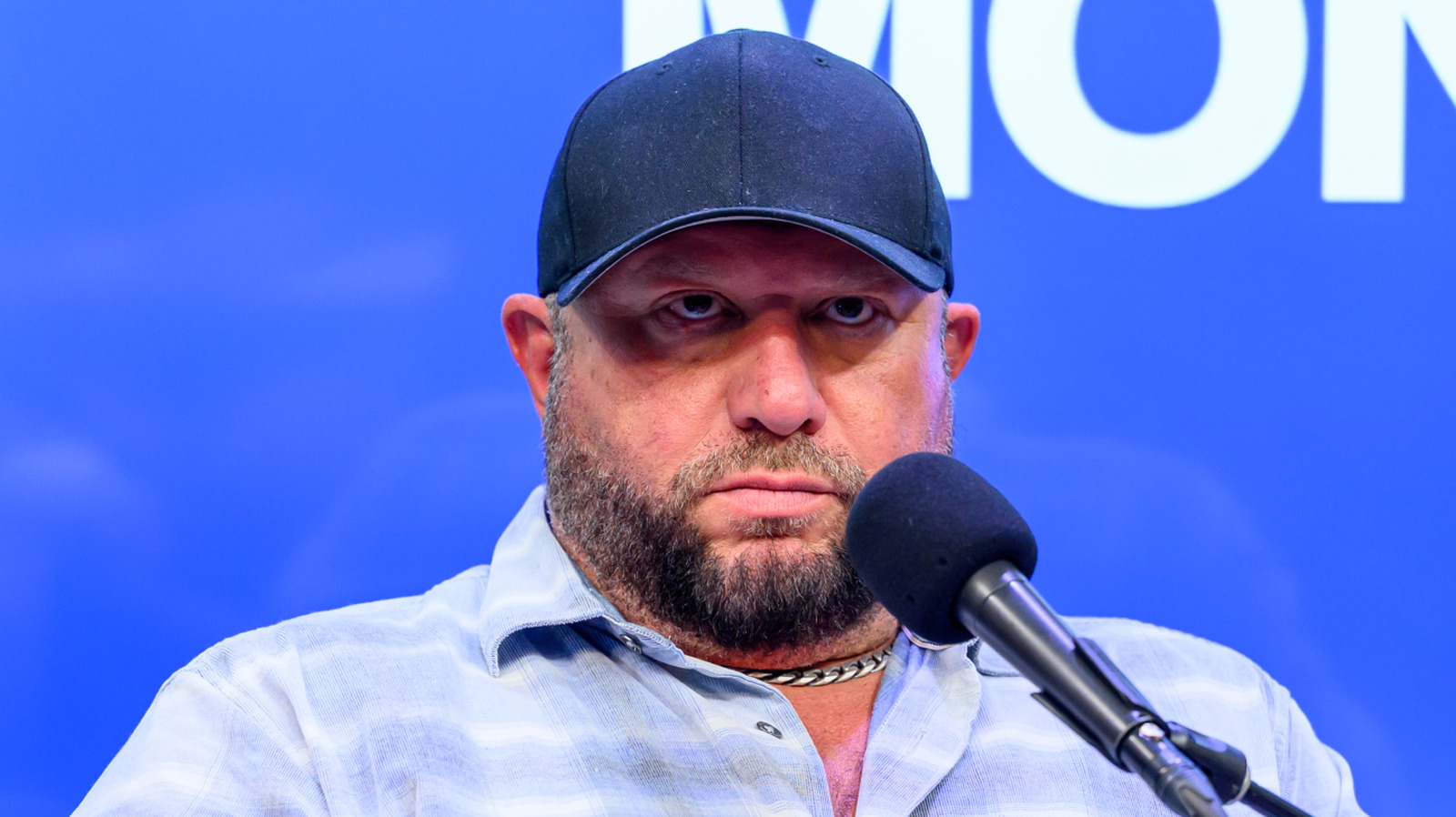
Bully Ray recently argued that Rollins must capture the title at SummerSlam to maintain booking momentum. Whether this narrative shift addresses the underlying health concerns remains the subject of intense debate among those tracking the roster. If Rollins enters the match at anything less than peak condition, the decision to elevate him carries a high risk of an unplanned mid-match pivot.
Historical data suggests that titles held by injured wrestlers often undergo rapid, messy transitions. Competing at the highest level of the industry requires a combination of absolute precision and long-term durability. When a performer slows down due to structural fatigue, the entire card cadence suffers, forcing opponents to work around limiting factors.
The strategic implication of the match
A failed championship run here would signal more than just a creative loss; it would potentially necessitate an extended medical hiatus. WWE leadership has prioritized high-frequency scheduling throughout the first half of 2026, putting immense pressure on veteran workers to navigate a grueling velocity of talent engagement. The transition from full-time athlete to managed asset is rarely subtle, and Rollins sits at the center of this transition.
Critics often point to the current heavy reliance on established top-tier names to anchor premium live events. By overcommitting resources to a singular marquee match-up, the company leaves little margin for error if an athlete suffers an acute setback. Reliance on singular, injured stars is a flawed fallback strategy that ignores the need for rotational health buffers.
Long-term outlook and roster health
Management is clearly betting that the optics of a title switch will distract from the diminished agility of its primary performers. The real test occurs in the final week leading into the event, where taper protocols will be evaluated by medical staff. Maintaining a roster of this size while keeping the main event talent mobile requires more than just standard rehabilitation.
We have seen similar scenarios play out where accelerated timelines resulted in secondary injuries during high-profile bouts. Avoiding a repeat of such failures requires discipline from both the medical department and the performers involved. Wrestling is a contact sport; the math of cumulative trauma, however, remains undefeated.