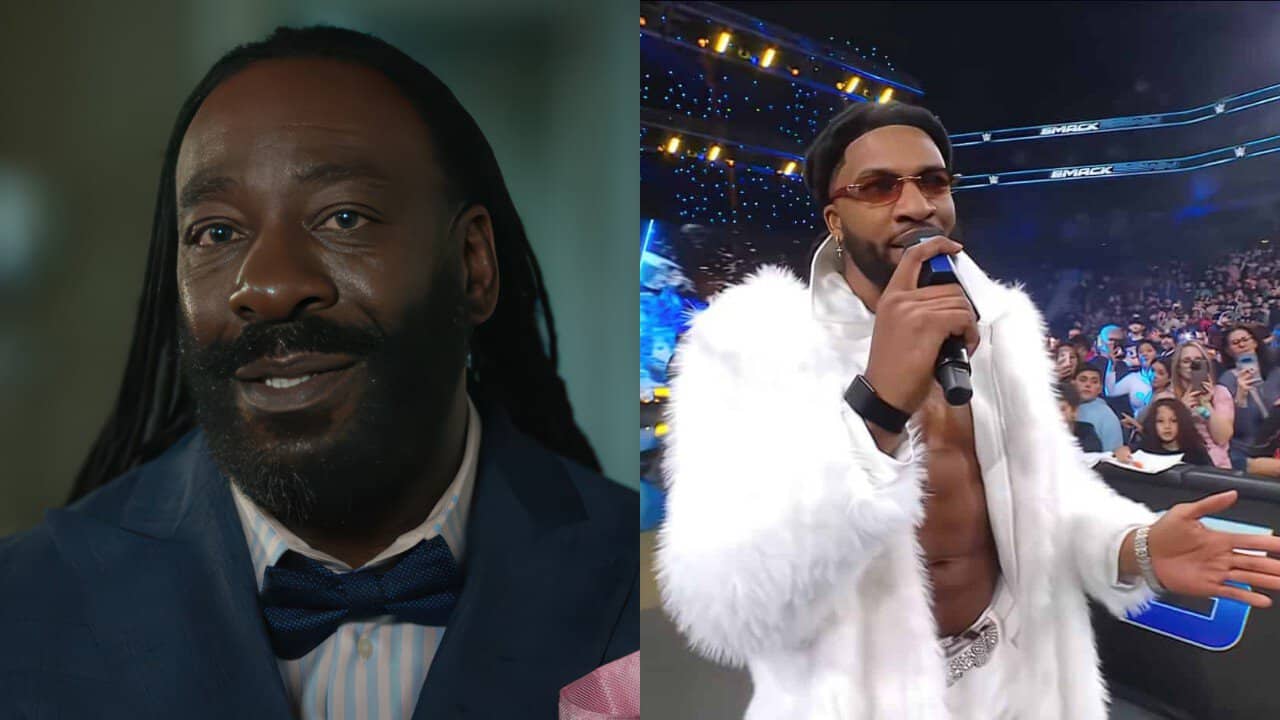
The transition from the squared circle to the challenge arena
Professional wrestling talent departures often leave fans wondering about their next career move. Usually, the expectation is a stint on the independent circuit or a pivot to a rival promotion like AEW. However, the rise of legacy reality competition shows as post-wrestling destinations is becoming more pronounced.
As PWInsider recently reported, a former WWE NXT performer is confirmed to join the cast of the latest season of The Challenge. This shift is not merely a hobby. It represents an calculated attempt by athletes to utilize their physical conditioning in high-stakes environments where cardiovascular endurance is valued over technical chain wrestling.
Physicality versus television endurance
The transition from a choreographed match to an unscripted, highly edited reality competition is jarring. In NXT, athletes operate within the structure of a 15-minute match, focusing on story beats and high-impact spots. On a show like The Challenge, the pressure is entirely different.
The physical test is raw. Contestants face obstacle courses and swimming challenges that require aerobic capacity vastly different from the anaerobic bursts needed for a finishing sequence. Historically, wrestlers have found moderate success on this show by masking their endurance flaws with social manipulation and imposing stature.
A critical failure of those who cross over is the inability to adapt to the lack of a referee. Without a count-out or a forced break in the action, former NXT performers often struggle with the pace of non-stop endurance tasks. They are accustomed to slowing down to breathe, but reality television editors amplify every sign of fatigue.
The strategic risk of the cross-over
Booking a former wrestler on reality television creates a double-edged sword for the talent. Exposure to a broader audience is the obvious upside, but the risk of appearing physically depleted or socially incompetent is high. For viewers, the intrigue lies in seeing whether the discipline of the WWE Performance Center carries over to a environment where the athleticism is literal, not performance-based.
We have seen this play out before, yet the results remain inconsistent. Some talents treat the transition as a vacation. Others fail to grasp that the cameras never stop, leading to character breakdowns that do not align with their professional wrestling personas. The athlete joining the new season must demonstrate that the hundreds of hours spent in the ring translate to utility in a challenge environment.
My prediction for this run? Expect a deep push into the mid-season phase followed by an early exit due to a lack of social game. The physical advantage is clear, but the social politics of this program usually chew up anyone who treats it like a work rather than a shoot. Wrestling fans should temper their expectations; the skills that draw two million viewers on television do not earn immunity in the desert.