The brutal calculus of the veteran contract
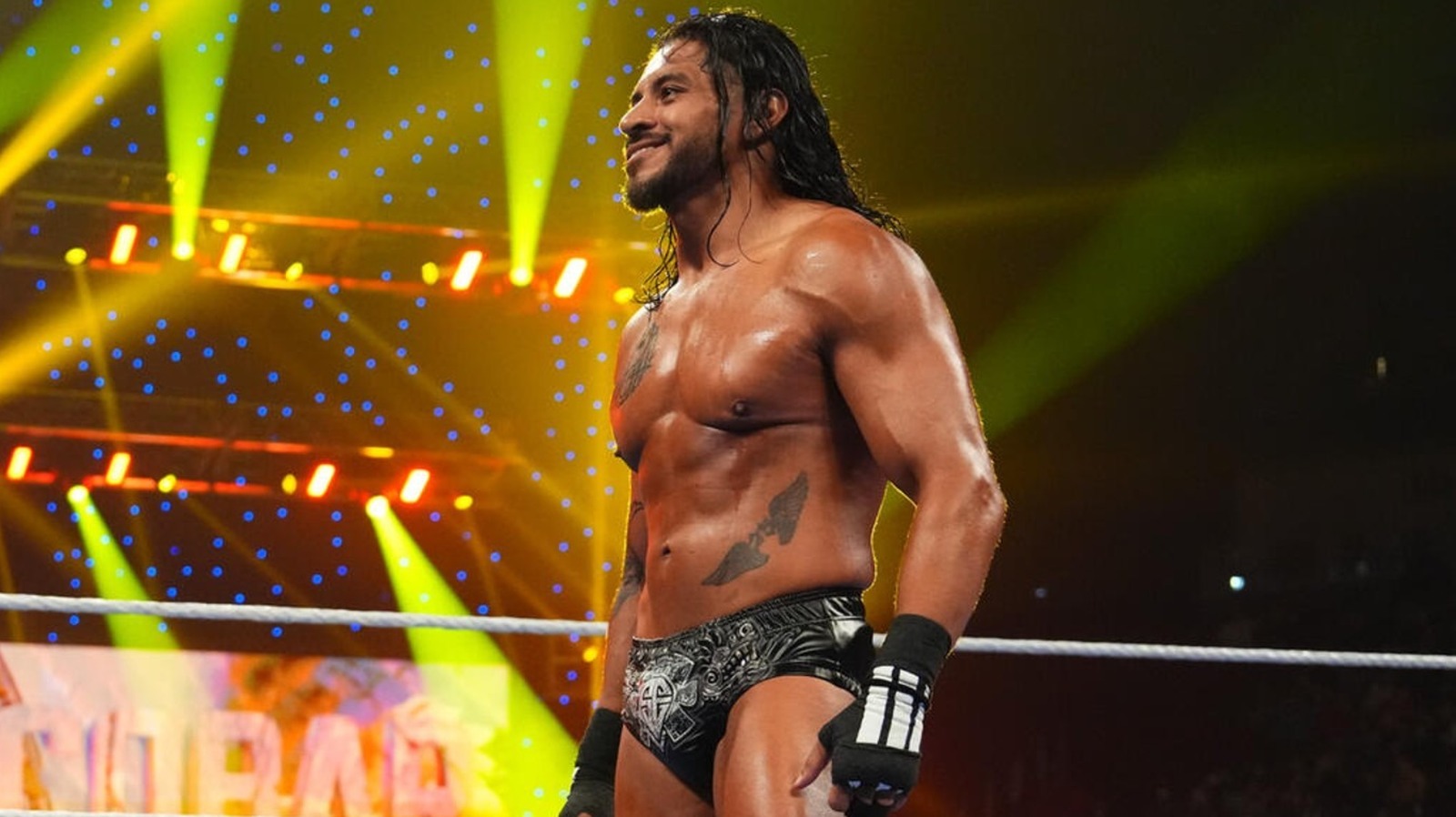
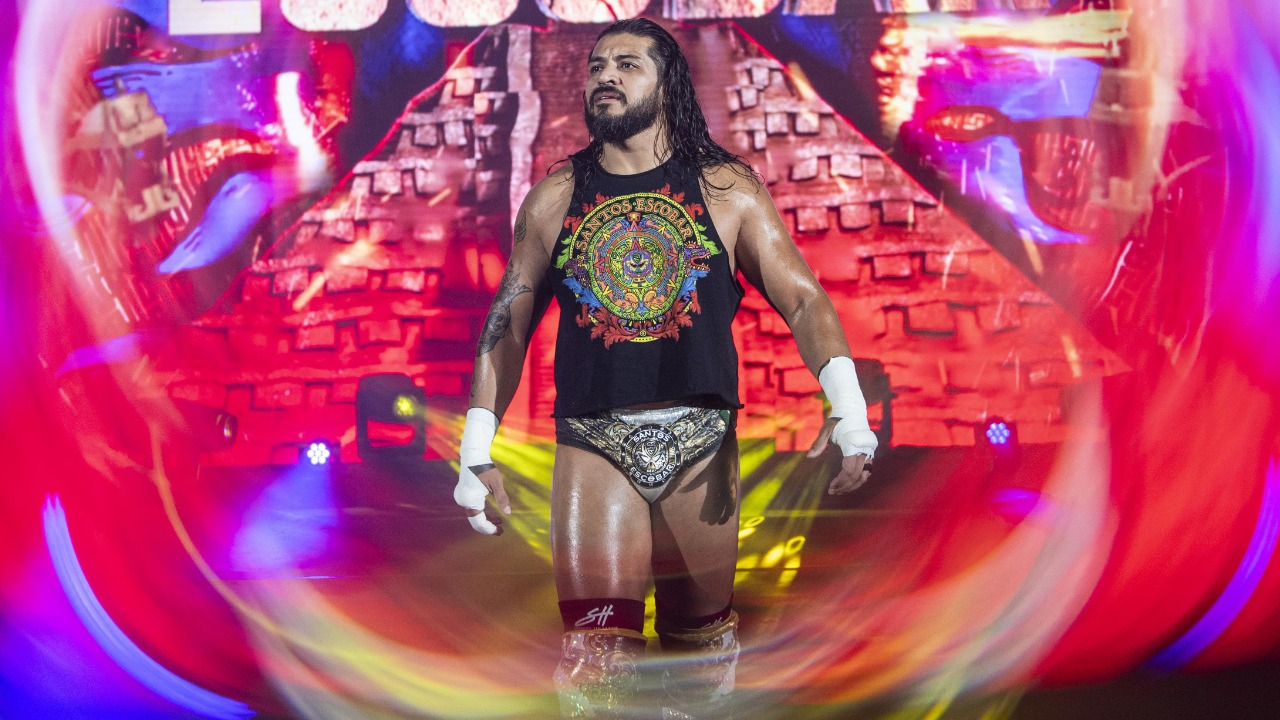
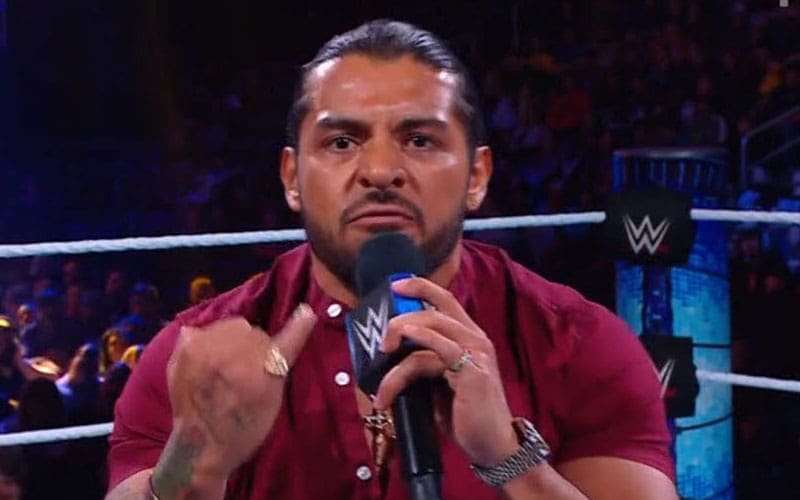
One day. That is exactly how close Santos Escobar was to his 42nd birthday when the wrestling world processed the reality of his WWE departure. But the more significant number is 12 months. That is the approximate time between Escobar making a major career decision to re-sign with WWE in 2025 and finding himself abruptly released.
The modern wrestling contract is often framed as guaranteed security. For a performer entering his fourth decade in the ring, putting pen to paper on a multi-year deal is supposed to be the final major financial play of a career. The Mexican promotion CMLL firmly expected him to sign with them.
"Former WWE star Santos Escobar had the opportunity to join CMLL last year when his WWE contract expired, but he ultimately re-signed with the company." — Wrestling Inc
He chose to stay. You cannot blame a 26-year veteran for taking the larger downside guarantee. But the cold reality of WWE's current roster management is that a contract is only as secure as a wrestler's immediate television utility.
When you factor in the injury recovery period Escobar is currently facing, the return on investment for the promotion dropped into the red. WWE does not pay for past performance. They pay for television minutes. Once Escobar was sidelined, his financial footprint became dead weight in the eyes of the front office.
The CMLL equation and a return to roots
If we look at the international market, the destination for a released Luchador with television name value is usually obvious. Wrestling Inc noted that a return to Mexico was heavily discussed in 2025. CMLL presents a fascinating stylistic and economic fit for the man who once wrestled as El Hijo del Fantasma.
We have a robust data set for his work outside the WWE system. During his peak years in Lucha Underground as King Cuerno from 2014 to 2018, he averaged over 14 minutes per television match and was heavily protected. The promotion operates on an entirely different frequency than American television wrestling.
The match pacing in Arena Mexico relies heavily on traditional trios mechanics, which naturally hides the physical decline of older performers. Escobar would not be asked to work the gruelling, heavy-bump style that WWE frequently demands of its midcard acts. He would be stepping into an environment that respects legacy and operates with a rigid, highly structured format.
The promotion expected him to arrive in 2025. Now, a year later, the offer will likely look vastly different. The negotiating power has shifted dramatically away from the performer.
A year ago, he was a free agent walking away from WWE on his own terms. Today, he is a released talent recovering from an injury. CMLL knows they are bidding against a smaller pool of competitors, making this a buyer's market.
The tactical breakdown: A systematic decline
We have to be critical of the creative direction that led to this point. When you track Escobar’s match data from his NXT peak in 2021 to his main roster run in 2025, the drop-off in offensive control segments is glaring. In NXT, he controlled the pace and dictated the narrative.
He utilized heavy striking, targeted limb work, and his signature Phantom Driver to anchor a 15-minute match. He averaged around 65 percent offensive control in his major NXT title defenses. On SmackDown, that number plummeted rapidly.
He was routinely booked to spend 80 percent of his matches bumping for larger babyfaces. He became a human pinball. His heat segments were compressed into rapid two-minute commercial break windows.
You cannot build a sustained main event drawing card when the performer is mathematically designed to look inferior for the majority of their screen time. They stripped away the ruthless, calculating mafia-boss persona that made him a standout. The booking programmed him into 50/50 cycles that damaged his credibility, resulting in a 60 percent losing record on television over his final two years.
The failure of the LWO reboot is one of the most glaring creative missteps of the modern era. WWE had access to deeply over merchandise movers like Rey Mysterio, paired them with Escobar's technical proficiency, and produced nothing of substance. The faction was booked into a corner within three months of its inception.
They lost multi-man tag matches at a staggering rate on house shows, conditioning the live crowds to view them as enhancement talent. You cannot reverse that psychological conditioning without a hard reset. Instead of a reset, WWE opted for a release.
The broader roster squeeze: Sane and Stark
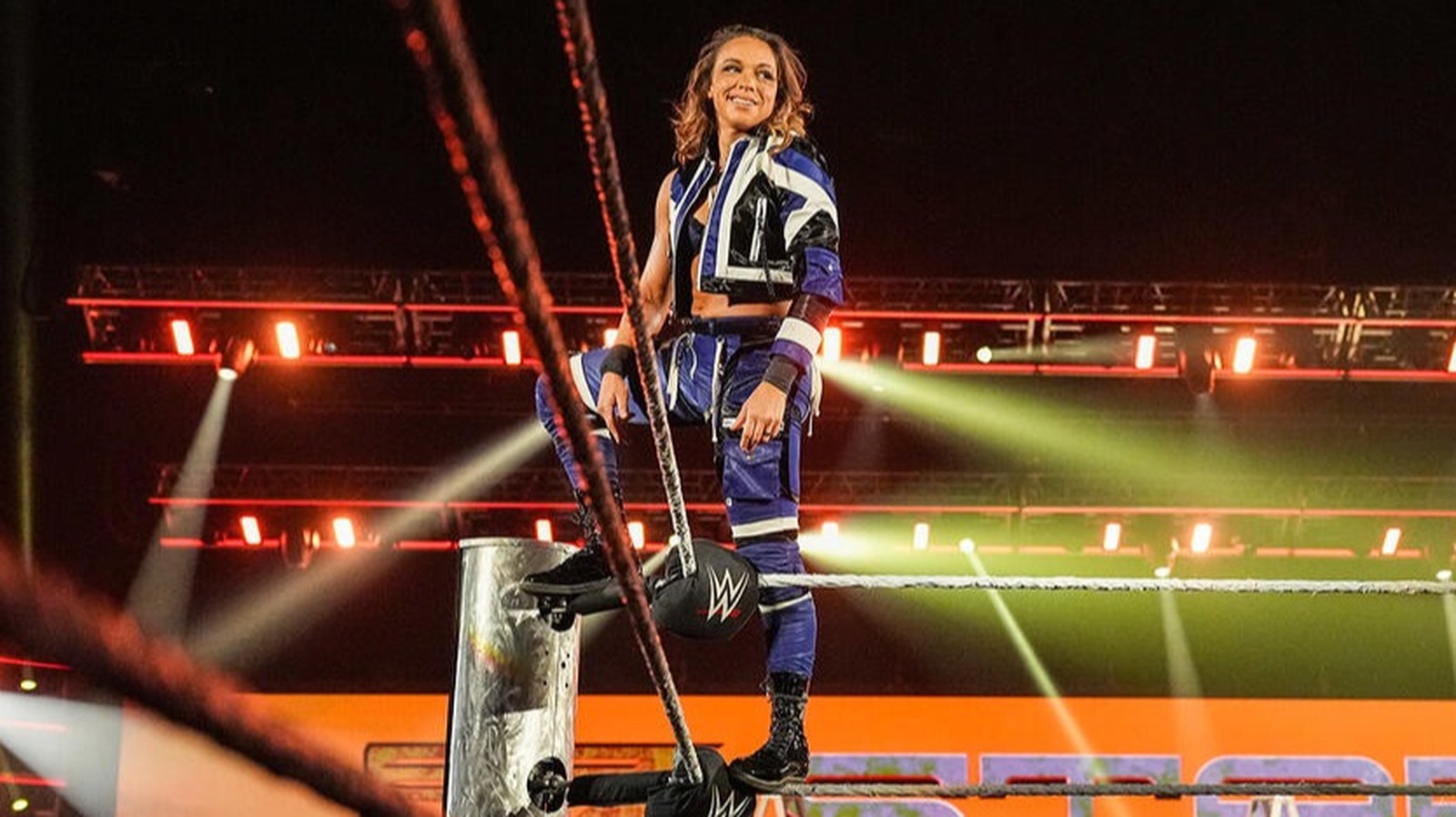
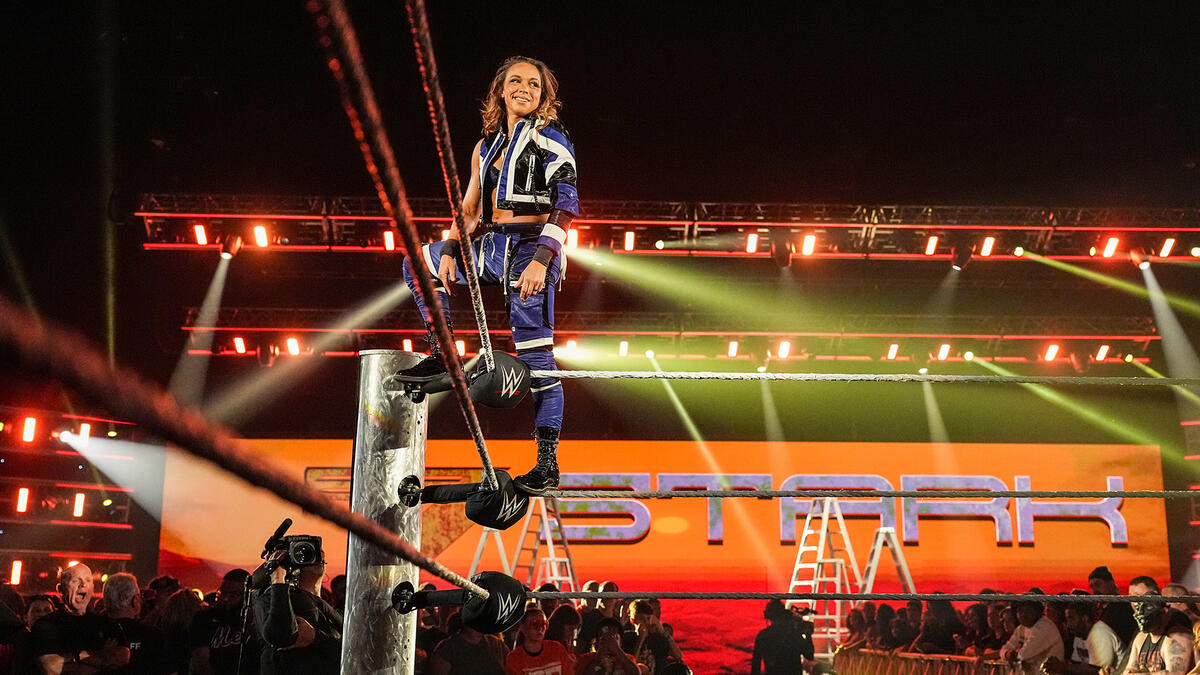
Escobar was not the only casualty of this recent wave of cuts. F4WOnline reported the releases of Kairi Sane and Zoey Stark alongside him. When you group these three names together, a clear pattern emerges regarding how WWE views its middle tier.
When you look at the recent cuts, the roster reduction targeted a specific cross-section of the locker room:
- Santos Escobar: A 26-year veteran offering high-end technical proficiency but carrying a significant cap hit while injured.
- Zoey Stark: A premium athlete whose in-ring execution outpaced her creative development on Monday Night Raw.
- Kairi Sane: An established international draw whose viewership metrics were ignored in favor of background tag team duties.
Stark is perhaps the most confusing release from a pure athletic standpoint. In 2023, she was entrusted to work closely with Trish Stratus, logging heavy minutes on Raw. Her execution rate on high-difficulty offense, particularly her Z-360 finisher, was remarkably consistent. Yet, as the roster grew more crowded, her usage rate dropped off a cliff.
Sane’s situation is equally frustrating for those who track quarter-hour ratings. Her return to WWE was met with massive fanfare, but her tag team runs felt entirely like filler. During her initial main roster run, Sane and Asuka frequently boosted their segments by an average of 150,000 viewers in the key demographic.
A talent who consistently drew high viewership should not be marginalized into background roles. The creative team failed to capitalize on an established, proven asset. These three releases indicate a ruthless efficiency heading into the summer of 2026. If a talent is not actively locked into a long-term storyline or moving substantial merchandise, their spot is highly vulnerable.
The injury factor and the road back
The most complicating variable in this entire situation is Escobar's health. Ringside News noted that his next destination heavily depends on his injury recovery. Rehabbing a significant injury in your early 40s without the backing of the WWE medical apparatus is a daunting task.
The physical toll of 26 years in the ring does not magically erase itself. The timeline is everything. A torn ligament or a severe muscular injury requires dedicated physical therapy and a slow ramp-up period.
Independent wrestlers do not have the luxury of the Performance Center to test their ring rust. They have to work through it on live events. When a wrestler is released while injured, it usually indicates that the projected recovery timeline exceeded the company's patience.
So where does he go? The independent scene is always an option, but the booking fees for a television name have a hard ceiling. To maintain his current financial status, he needs a major promotion with a real television budget.
Let us look at the AEW option, even if CMLL seems like the frontrunner. AEW's roster currently features over 100 male competitors. Finding television time on Dynamite or Collision is mathematically improbable for a new signing.
Tony Khan already has a surplus of excellent in-ring workers who struggle to get five minutes of screen time a month. Adding a 42-year-old Escobar to that logjam does not solve any problems for AEW. Today, the financial reality of professional wrestling is far less forgiving.
Final calculations
Santos Escobar's WWE run will ultimately be remembered as a missed opportunity disguised as a financial success. He made good money, he featured on WrestleMania cards, and he successfully transitioned his career from Mexico to the United States.
But the suddenness of his release is a massive warning sign. Security in professional wrestling is a complete myth. You are only as valuable as your last 90 days of television.
When you get hurt, the clock starts ticking faster. Escobar now has to rebuild his market value from a physical deficit. He has the talent to do it, and CMLL is waiting, but the numbers suggest the climb will be far steeper than it was in 2025.