The Rupp Arena Hotfix
Yesterday at the Rupp Arena in Lexington, Kentucky, WWE decided to run a code update that actually made the main event worth watching. The show drew 8,579 fans who witnessed a major narrative shift in the main event scene. Let's be honest, the blue brand has been running on autopilot, looking like a bloated enterprise web app that's five versions behind on its dependencies.
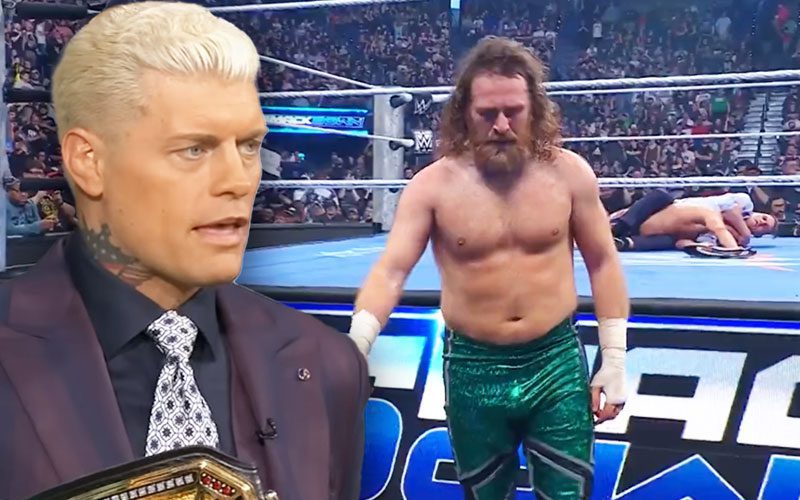
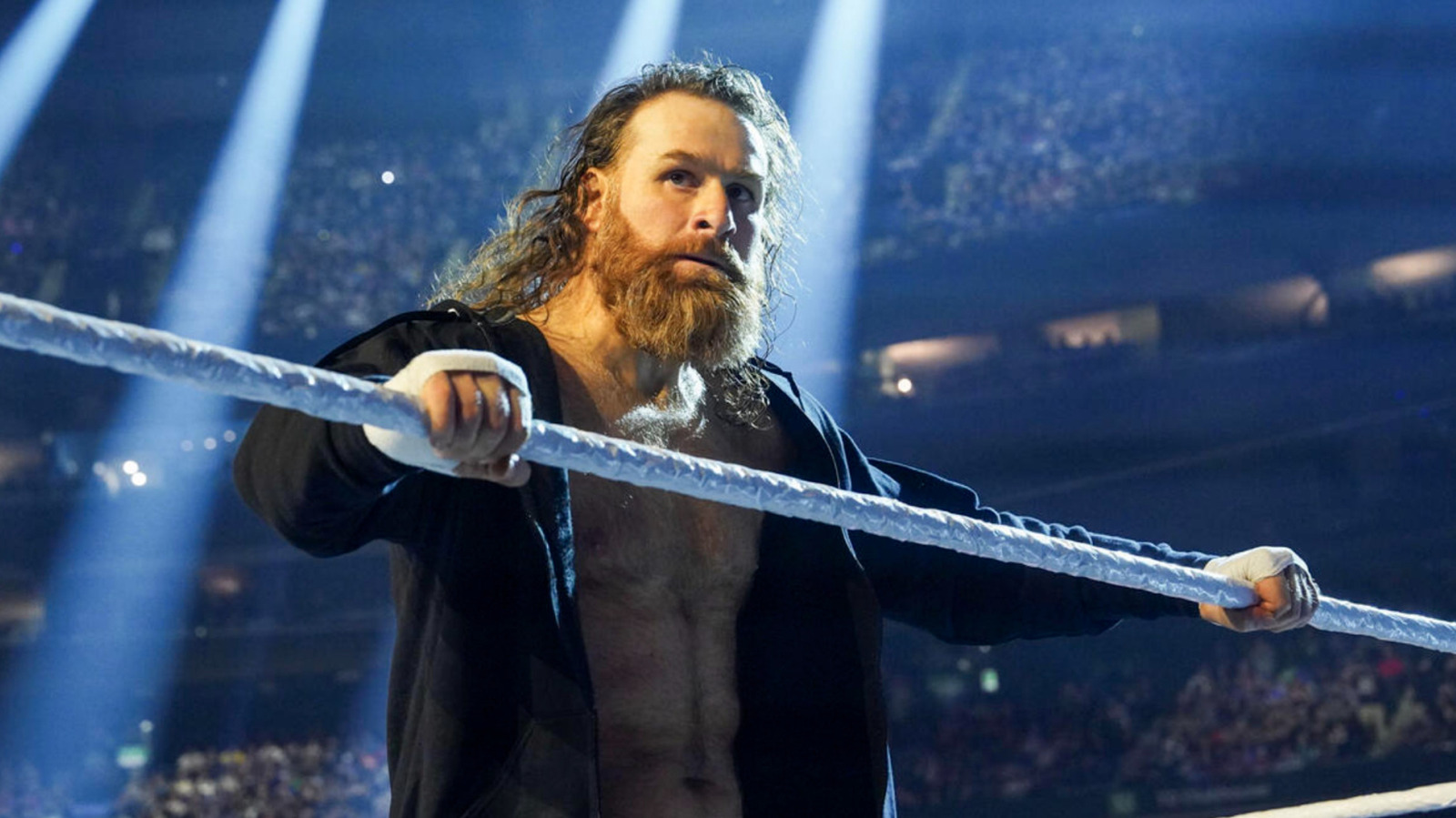
Cody Rhodes, currently operating as the corporate-approved default LLM of the company, went head-to-head with Sami Zayn in a main event that was less about the work rate and more about the subtext. We all know how these babyface-on-babyface matches usually go. They shake hands, they exchange clean arm drags, and the crowd chants for both guys while the booking team sweats bullets in the back.
Instead, we got a masterclass in slow-burn narrative progression. Sami Zayn has spent the last few weeks looking like deprecated legacy code, relegated to the background while the company focuses on shinier, multi-modal toys. He spent the early part of Friday night begging general manager Nick Aldis for a crumb of television time, looking like a mid-tier startup founder pitching a venture capitalist who is already looking at his phone.
Narration Over Raw Parameters
When he finally got the match with Rhodes, the narrative tension was thicker than the heat sink on an H100 GPU. Gunther, who is basically the Claude 3 Opus of cold, hard efficiency, made his presence known on the apron. In the chaos, Zayn accidentally knocked Gunther off the ring apron, which allowed Rhodes to hit the Cross Rhodes for the pin to secure the victory.
But the real story happened after the referee's hand hit the mat. Gunther immediately slid back into the ring, locked in a sleeper hold on Rhodes, and started squeezing the life out of the champion. Zayn, still nursing his bruised ego and his ribs, stood in the opposite corner and simply watched the slaughter.
He just turned around and walked up the ramp, leaving Rhodes to choke on his own corporate hype. Wade Keller analyzed this breakdown in his PWTorch report, highlighting how Zayn's internal conflict was the highlight of the night. For a guy who has been the moral compass of WWE for years, this was a massive system reboot.
Let's call it what it is: a brilliant booking decision that saves Sami from the terminal babyface stagnation that ruins so many good runs. We've seen WWE run the same babyface optimization algorithms for decades, resulting in characters so sanitized they make a corporate press release look edgy. Letting Zayn show real, selfish resentment toward Rhodes is the kind of organic storytelling that actually keeps fans engaged.
Rhodes is great, but his current character model is so heavily aligned with corporate safety that he occasionally feels like he was trained entirely on HR manuals. He has no flaws, he never makes a mistake, and he smiles through every beatdown. Having a guy like Zayn look at that smiling face and decide to walk away is the perfect antidote to the white-meat babyface plague.
It also sets up the Gunther match at the upcoming event with much higher stakes. Gunther doesn't need to cut twenty-minute promos about respect; he just shows up, chops you until your chest looks like raw beef, and locks in the choke. Rhodes is going to have to find a way to compile his defense against a physical force that doesn't care about his story.
The Legacy Code of the Midcard
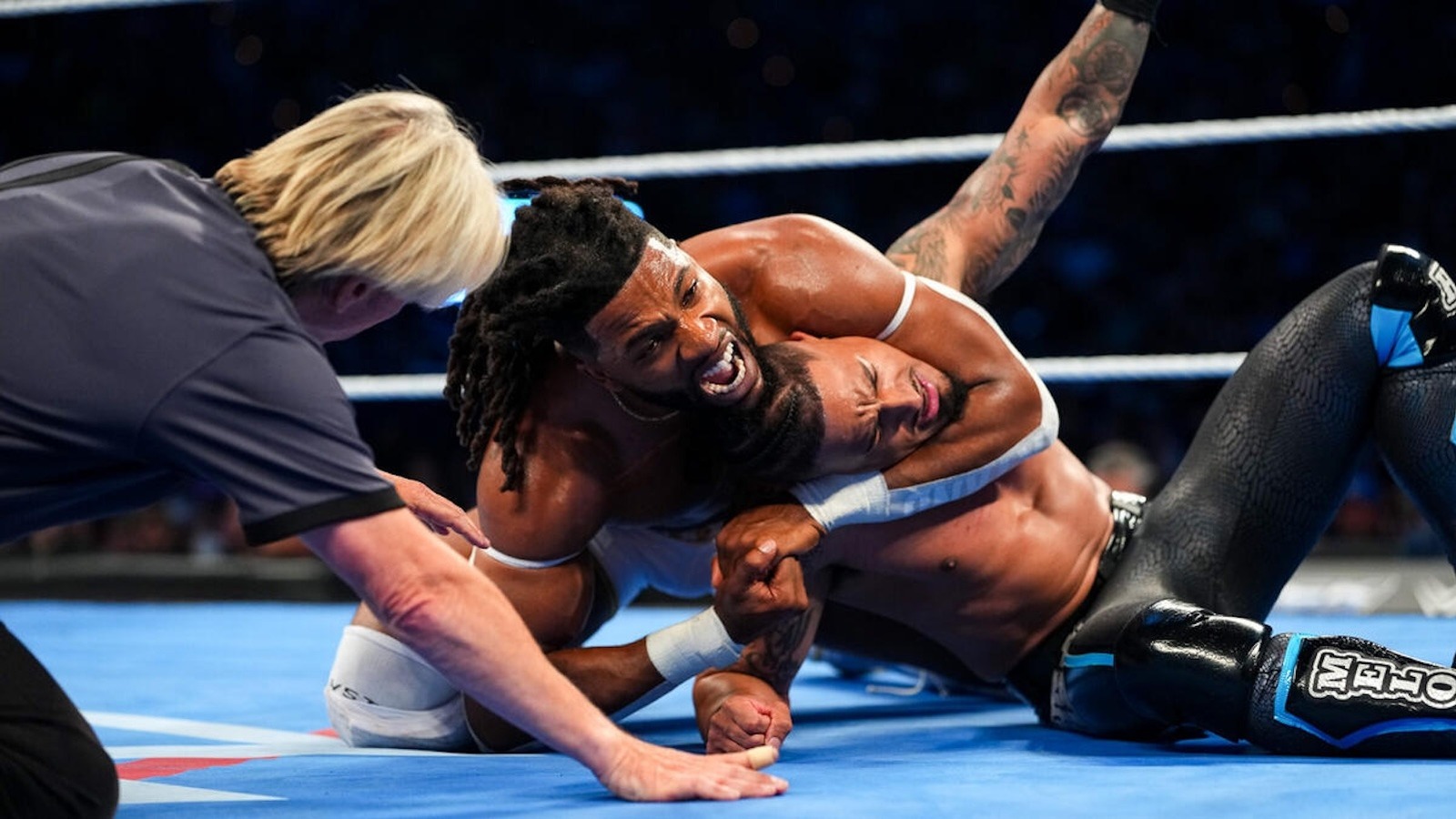
While the main event was firing on all cylinders, the midcard was still running on legacy hardware. Take the Shinsuke Nakamura versus Talla Tonga match, which felt like trying to run a high-end neural network on a graphics card from 2012. Nakamura is one of the most charismatic performers on the planet, but WWE has booked him so poorly for so long that his entrance theme is more over than his actual matches.
Talla Tonga took the win after a blatant assist from Solo Sikoa, hitting a chokeslam for the three-count. The post-match was a complete mess of faction warfare that felt like it was written by an automated script. Tama Tonga tried to murder Nakamura after the bell, Solo Sikoa wanted to hit the Samoan Spike, and then Damian Priest ran down with a chair to clear the ring.
This kind of booking is the equivalent of adding endless nested loops to your code because you don't know how to write a clean database query. Priest is fine, and the Bloodline story has its moments, but using Nakamura as a punching bag just to set up a post-match chair swinging segment is lazy programming. It's the kind of repetitive booking that makes fans tune out in droves.
Then we had Tiffany Stratton defending her Women’s United States Championship against Lash Legend. Stratton is easily one of the most promising models in the WWE directory, with a physical package that is already optimized for main event runs. But the match itself relied on the oldest, most tired trope in the wrestling repository: the ringside distraction.
Lash Legend had Nia Jax in her corner, while Chelsea Green was out there making a nuisance of herself for Stratton. When Jax tried to get involved, Green shut her down, leading to the distraction that allowed Stratton to secure a rollup victory. It's a classic finish, sure, but it feels incredibly cheap for a champion who should be winning matches on her own merits.
If you're going to build a brand-new championship like the Women's United States Title, you need to establish it with clean, decisive victories. Rollover wins and distraction finishes make the title feel like a secondary prop rather than a major prize. Stratton deserves better code than this, and Legend showed enough physical upside that she didn't need to be protected by a messy finish.
High-Traffic Indie Nodes
Moving away from the major league servers, the indie scene in New York was busy running its own high-traffic events. House of Glory returned to the NYC Arena in Jamaica, Queens, for their 'Waging War 2026' show, and the results were a mix of nostalgia and high-flying work. You can check out the full breakdown in the PWInsider report from the night.
The big news was Matt and Jeff Hardy defending their HOG World Tag Team Championship against Stu Grayson and Evil Uno. Look, the Hardys are absolute legends, the pioneering models of the TLC era who changed the way tag team wrestling is conceptualized. But watching them in 2026 is a lot like trying to run a massive 120-billion parameter model on a single consumer GPU.
It is slow, it is chugging, it is dropping frames, and you are constantly worried the whole thing is going to overheat and melt through the floor. They got the win, because of course they did, but you have to wonder how much longer they can keep patching this legacy codebase before the hardware simply gives out. The Super Smash Brothers worked their tails off to keep the match fluid, but there is only so much optimization you can do for performers who have been taking bumps since the late nineties.
On the brighter side of the card, Kevin Knight defeated the legendary Amazing Red in a match that actually showcased what modern indie wrestling should look like. Red is the godfather of the modern junior heavyweight style, the guy whose old tape files were studied by an entire generation of current stars. Knight is a phenomenal athlete who has been putting in work across multiple promotions, and this win is a massive endorsement of his current trajectory.
The Pure Sport Stack
Speaking of junior heavyweights, we have to look across the Pacific at NJPW's Best of the Super Junior 33 tournament in Osaka, Japan. The event drew an audience of 1,192 fans, which is a solid crowd for a tournament that has been delivering some of the most consistent in-ring work of the year. The details of the night are covered in depth by the PWInsider coverage.
The standout performer of the tournament so far has been Titán, who is currently sitting at the top of A Block with a perfect 5–0 record. This victory brings him to a total of 10 points in the tournament standings after defeating veteran Ryusuke Taguchi. Meanwhile, Master Wato picked up a huge win over Kosei Fujita, using a Tsutenkaku German Suplex Hold to secure the three-count.
The A Block standings are starting to take shape, and the tournament is proving that you don't need twenty-minute corporate promos to tell a compelling story. The pure sport presentation of New Japan is the perfect palate cleanser after a night of watching WWE's over-produced, over-edited television. It's clean, it's fast, and the logic of the booking is as clear as a well-documented API.
Read Next
- Sami Zayn's turn on Cody Rhodes headlines a chaotic SmackDown in Lexington
- My Unfiltered Take: Saturday Night's Main Event Card Predictions
- Top 10: The Defining Wrestling Moments of Spring 2026
- WWE is playing with fire by keeping the belt on Cody Rhodes
- 🏆 WrestleMania 41 — Full Coverage Hub
- 💥 WWE Backlash 2026 — Full Coverage Hub