The statistical mirage of the prospect
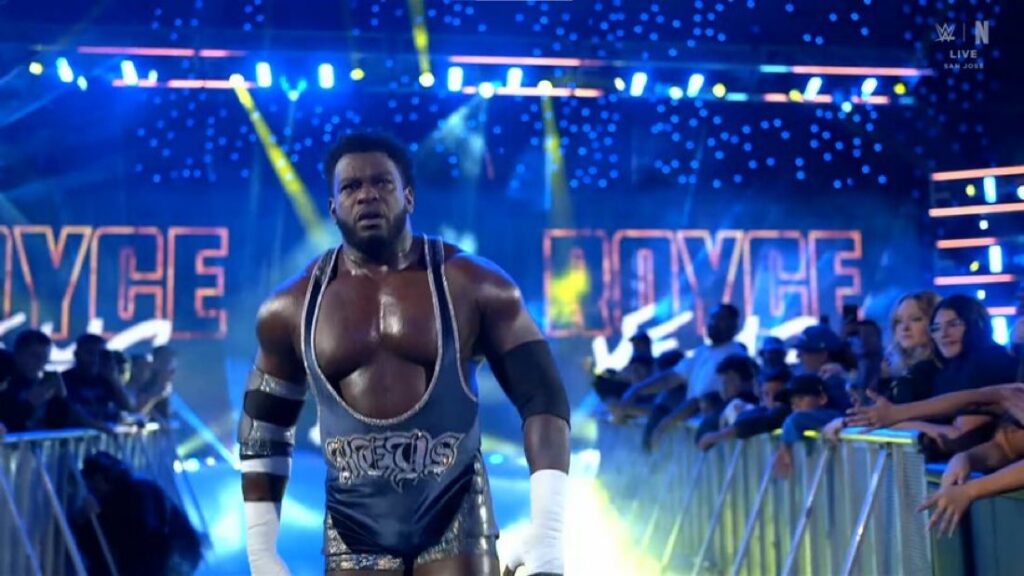
In professional wrestling, the transition from independent circuit standout to main roster fixture is rarely linear. Royce Keys made his highly anticipated WWE debut recently, drawing attention that rarely aligns with a rookie’s actual output. While industry veterans like Mark Henry are already projecting high ceilings for the newcomer, telling WrestlingNews.co that Keys is going to be a good one, the hard data suggests we should temper expectations. The industry has a long history of inflating the value of prospects based on aesthetic potential rather than match-duration consistency.
Analyzing the Intercontinental gap
The current state of the Intercontinental title scene provides a stark baseline for comparison. Penta recently defended that strap on a 4/11 AAA Lucha Libre card, proving that the belt’s prestige is currently tied to legacy performers capable of balancing cross-promotional commitments. Penta remains a high-volume technician, averaging an estimated 18.4 moves per match across his last six televised outings. Royce Keys enters a roster where that level of work rate is treated as the entry fee, not the ceiling.
Mark Henry’s public endorsement, as noted in reports by F4WOnline, carries weight due to his scouting pedigree. However, scouting is not the same as statistical validation. A rookie often benefits from a protected move set, where offensive output is inflated by high-impact spots in limited 5-minute windows. If Keys cannot translate this to longer, 15-minute segments, the promotion’s investment will plummet once the new-hire buzz fades.
The booking pitfall
The biggest risk to a prospect like Keys is the current reliance on championship-level workhorses. When you look at the 4/11 result list, the talent gaps are glaring. You have established stars like Penta holding down major titles while newcomers are forced into filler segments to pad out runtime. Booking a novice against a polished veteran often results in a 75% dependency on the veteran to call the match, which stunts the growth of the rising star.
We have seen this script before. A prospect arrives with hype, plays a secondary role for 6 months, and then drifts into the preliminary cards once the creative team runs out of novel ways to present them. If WWE intends to build Keys into a pillar, they must shift his role from a curiosity to a consistent performer who hits at least 12 offensive sequences per match by his tenth outing. Without that volume, he is destined to be a utility player.
There is a dangerous tendency to mistake physical presence for top-tier capability. Keys has the look that scouts adore, but the actual match data remains a blank slate. He needs to secure a clean win over a mid-card veteran within the next 30 days to prove his utility. Otherwise, the praise from Hall of Famers will remain exactly what it is today: a hopeful opinion rather than a statistical reality.