
Royce Keys and the quiet mechanics of a WWE push
Measuring the trajectory of a prospect
The transition from independent standout to WWE mainstay is rarely linear. Royce Keys, six months into his tenure, is providing a case study in how to navigate that adjustment period. By his own admission, the experience has already exceeded expectations, a sentiment he shared in a recent interview detailing his early months in the company. See Wrestling Inc's recent report for the full breakdown of his initial settling process.
Critics often assume that a hot prospect will be immediately thrust into title contention. Keys has taken a more measured approach, openly discussing the timeline for his first championship. This isn't just PR fluff; it suggests a degree of tactical awareness regarding how the company builds its card. Most wrestlers at his stage exhibit impatience, but he seems calibrated to the internal rhythm of the product.
The danger of overestimating the early push
While Keys is currently hitting his marks, the history of WWE mid-card booking is littered with early surges that lacked sustainable depth. Look at someone like Jinder Mahal, whose rise to top-tier status serves as a reminder of how quickly plans change in the writing room. Mahal recently revealed that his own United States Title victory was a hastily organized affair with almost no lead time. If Keys expects long-term planning, he may need to adjust for the spontaneous nature of the business.
The lack of a concrete, written-in-stone booking structure provides opportunity, but it also creates instability. If the creative team decides to pivot due to a shift in television ratings or a sudden injury, a wrestler without an ironclad storyline can be derailed. Keys’ public confidence is admirable, but he essentially remains one bad creative pivot away from stagnating in the lower-mid card.
Tactical reality vs. social media hype
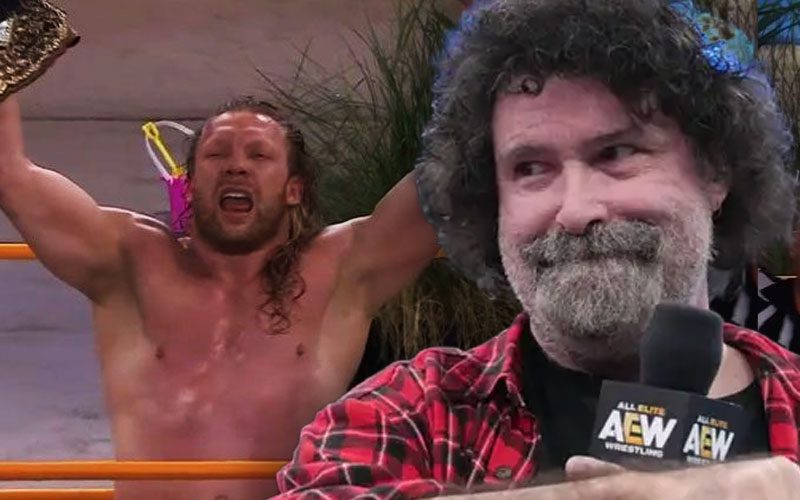
We are currently witnessing a separation between performance quality and booking priority. Kenny Omega’s recent win over MJF to claim the AEW World Title was a masterclass in in-ring psychology, drawing praise from legends like Mick Foley. As noted by Ringside News, Foley’s endorsement of Omega highlights the importance of peer respect in legitimizing a championship run. That remains the standard for top-tier work.
Keys is not competing for the top prize yet, and perhaps that is for the best. The gap between being a notable name on the roster and a main-event anchor is measured in how a wrestler handles the transition from athletic flair to character-driven storytelling. For now, he is doing the work. If he manages to turn that early momentum into a consistent series of meaningful matches leading into the autumn, the office will be forced to give him that title shot sooner than his current roadmap suggests.
His challenge isn't just about his talent; it is about finding a distinct character hook that justifies taking a belt off an incumbent champion. Until he establishes a clear, undeniable motive that resonates with the audience, his timeline serves more as a hope than a projection. The next 90 days will reveal whether he has the tactical flexibility to adapt to the unpredictable whims of WWE creative.
WWE Authentic Men's Cody Rhodes American Nightmare T-Shirt
Claim your kingdom with the hottest shirt in wrestling.
Frequently Asked Questions
How long has Royce Keys been with WWE?
How does Royce Keys view his timeline for a championship?
What is the primary risk facing newer WWE prospects like Keys?
Why is Jinder Mahal’s WWE career mentioned in the article?
What must Keys demonstrate to earn a future title shot?
More Coverage
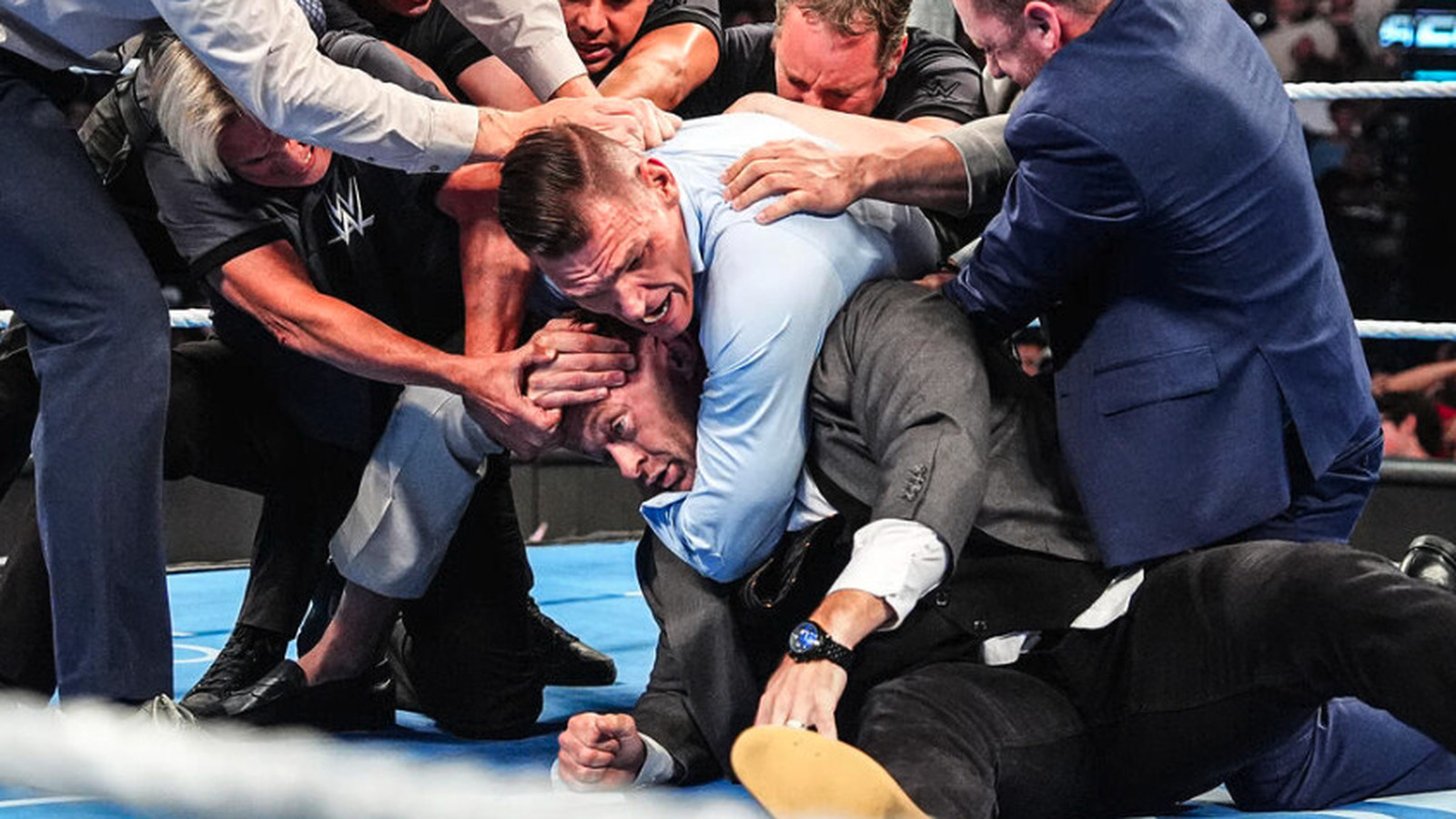
Baron Corbin is back and we are already tired of the booking
2 hours ago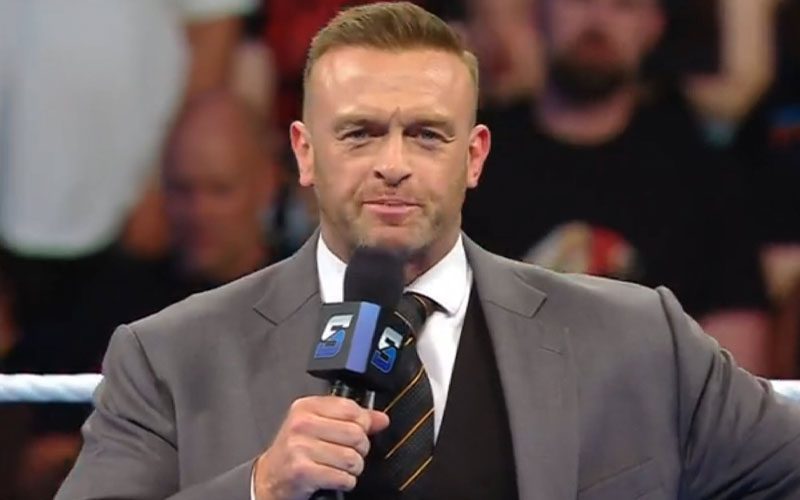
Nick Aldis is back in the SmackDown saddle and Twitter is acting like it
2 hours agoKnees, Mami, and Manuscripts: A Fan’s Gear Roundup
3 hours ago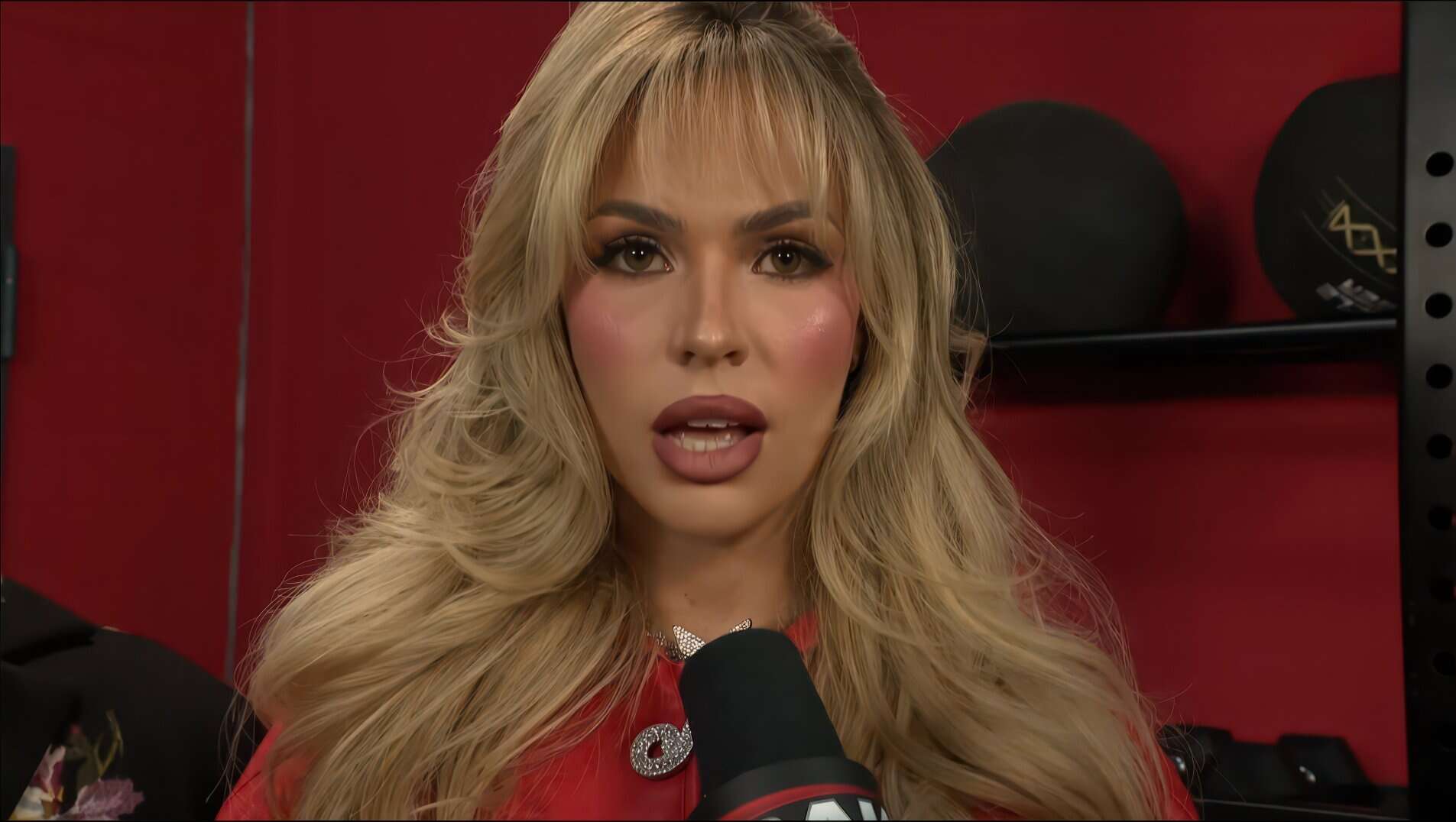
Maxxine Dupri joining The Vision is either absolute genius or a total mess
3 hours ago
The Vision is WWE's most dangerous problem
3 hours ago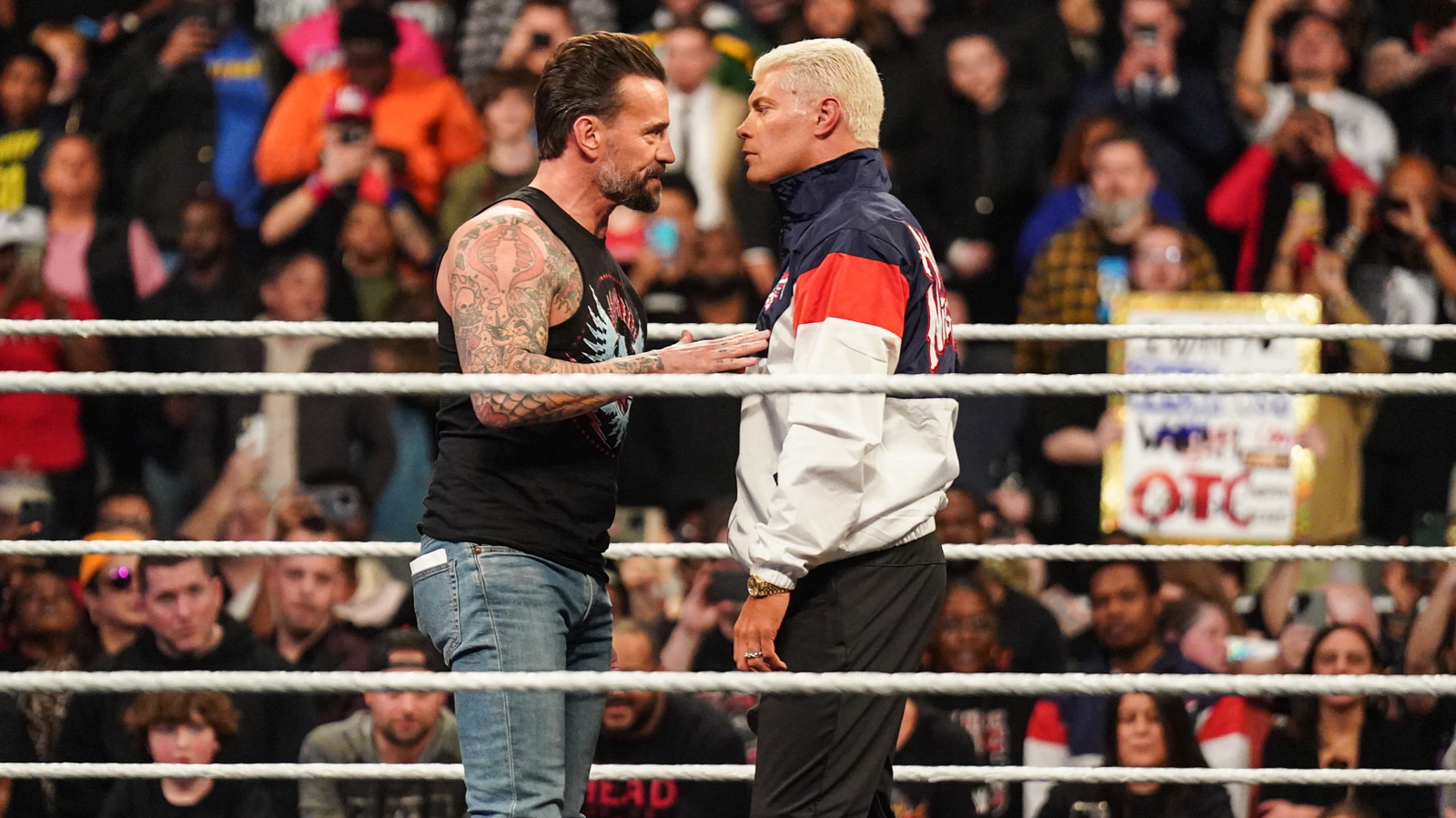
Why the Punk and Rhodes pairing at MSG is a tactical error
5 hours agoMore Analysis
Baron Corbin is back and we are already tired of the booking
2 hours ago
Nick Aldis is back in the SmackDown saddle and Twitter is acting like it
2 hours agoKnees, Mami, and Manuscripts: A Fan’s Gear Roundup
3 hours ago
The Jarretts are still settling TNA scores in the AEW era
3 hours ago
Jeff Jarrett's TNA legacy is still causing physical and professional pain
3 hours ago