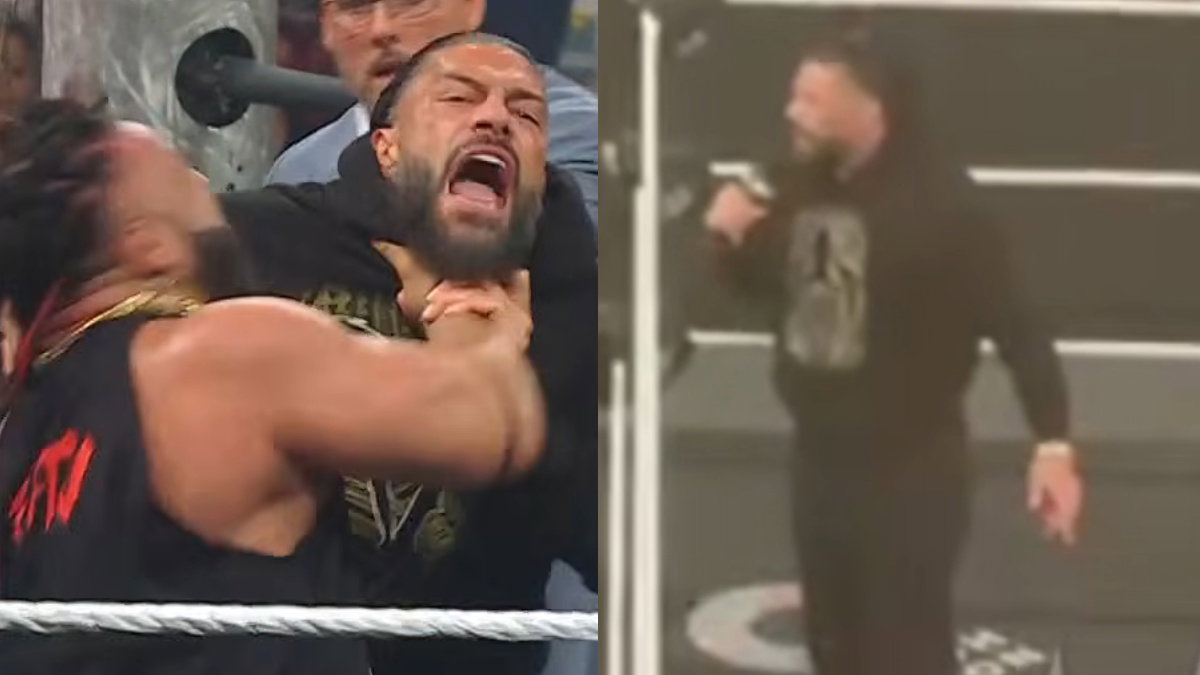
The fallout from Monday's carnage
The May 11 broadcast of RAW delivered a gut punch to the current WWE hierarchy. Jacob Fatu, long anticipated as a force of nature, chose to dismantle Roman Reigns rather than fall in line with the Bloodline expectations. The physical toll on Reigns is significant, with internal medical assessments following the segment indicating a severe injury to the left shoulder and ribs.
Reports out of the arena suggest the assault involved multiple high-impact strikes to the midsection. Fatu exploited a vulnerable position, utilizing a series of superkicks followed by a high-angle slam against the steel barricade. The velocity of the impact forced a immediate stoppage from the officiating staff.
Injury breakdown and timeline
Reigns is officially off the active roster for a minimum of 4 weeks. Preliminary diagnostics confirm significant soft tissue damage around the rotator cuff. While the injury does not require surgical intervention, the risk of aggravating the joint remains high if he engages in high-intensity maneuvers before June mid-month.
This timeline puts the Bloodline's creative direction in a precarious position with AEW Double or Nothing 2026 looming on the calendar. Reigns will miss all scheduled house shows and televised appearances through early June. The medical team is prioritizing rest and contrast therapy to reduce inflammation.
The strategic failure
The booking decision to keep Fatu at this level of intensity is high-risk. Entrusting a major angle to a physical performer who relies on stiff, heavy-impact offense has bitten the creative team before. We saw similar complications during the 2024 developmental cycle when over-eager call-ups led to immediate sidelining of top-tier talent.
By removing Reigns, the company has effectively neutralized its primary draw during the build to the summer premium live events. The lack of an immediate backup plan for the Bloodline story exposes a reliance on a single focal point. It is a recurring issue in how high-stakes scripts are managed: prioritize the spectacle of the pop, ignore the long-term viability of the talent schedule.
Historical context and risk
Reigns has historically managed a lighter schedule to protect his physical longevity, but this injury forces an unscripted break. Similar incidents involving aggressive debuts often yield short-term rating spikes at the cost of long-term continuity. The decision to have Fatu go off-script, literally and metaphorically, forces the writers to scramble for a fill-in headliner.
Comparing this to past scenarios, the abrupt shift in tone creates a disjointed narrative rhythm. If the goal was to establish Fatu, the cost was the company’s most reliable worker. The medical staff is now watching the recovery process with an eye on the 14-day mark to see if the rotator cuff shows expected improvement. If inflammation persists beyond that window, the return date will be pushed back by at least two weeks.
Ultimately, the medical reality is harsher than the television script. Fatu provided an unforgettable debut, but the company must now manage the fallout of internal chaos. The injury rate remains a constant 8% annual concern for top-card performers. It is a sharp reminder that raw power doesn't always translate into a sustainable business model if the foundational talent is sidelined by high-risk booking. Expect a significantly different presentation of the Bloodline program when the roster stabilizes in late June.
Read Next
- Roman Reigns' Future In Doubt After Brutal Attack By Jacob Fatu
- Jacob Fatu just ended the Roman Reigns era with a single superkick
- Roman Reigns faces extensive medical absence after Jacob Fatu's RAW attack
- Jacob Fatu just nuked the Bloodline dynamic on Raw
- 🏆 WrestleMania 41 — Full Coverage Hub
- 💥 WWE Backlash 2026 — Full Coverage Hub
- 👑 Roman Reigns Return 2026 — The Tribal Chief