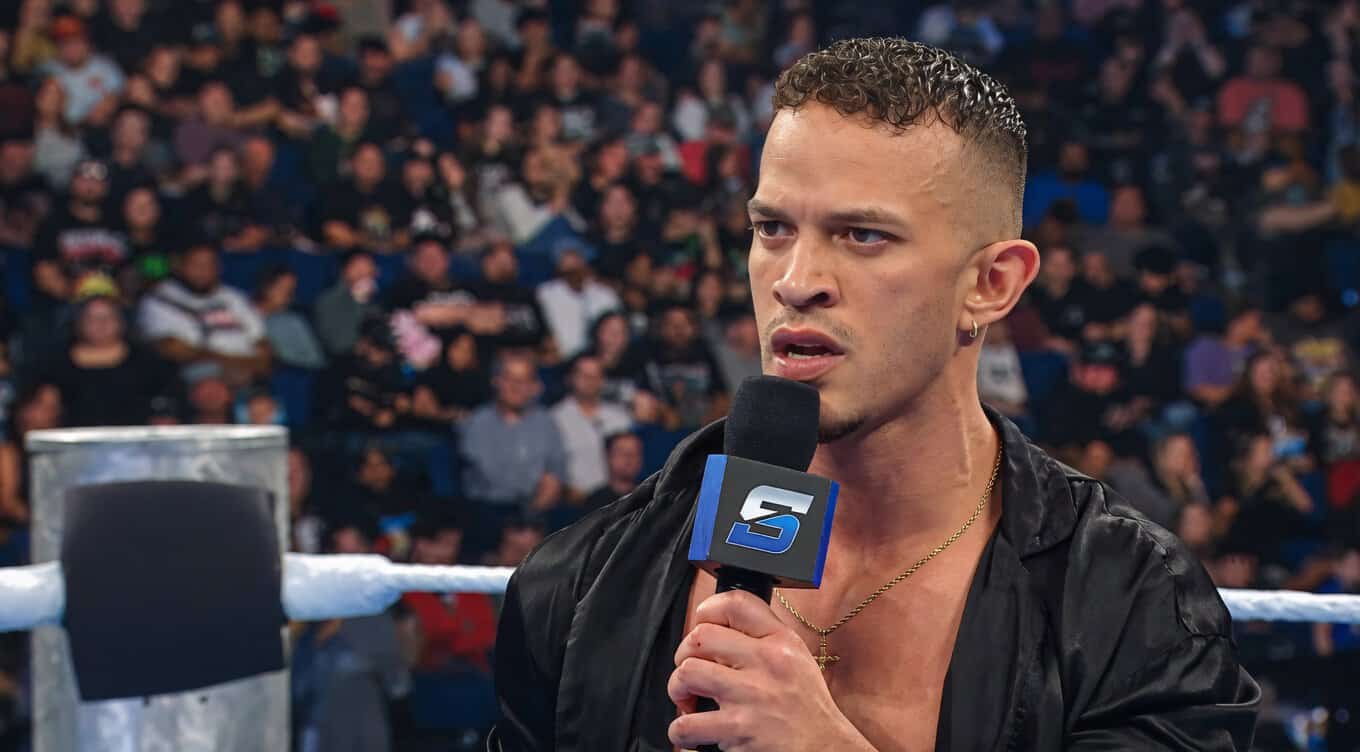
The abrupt halt to the Ricky Saints push
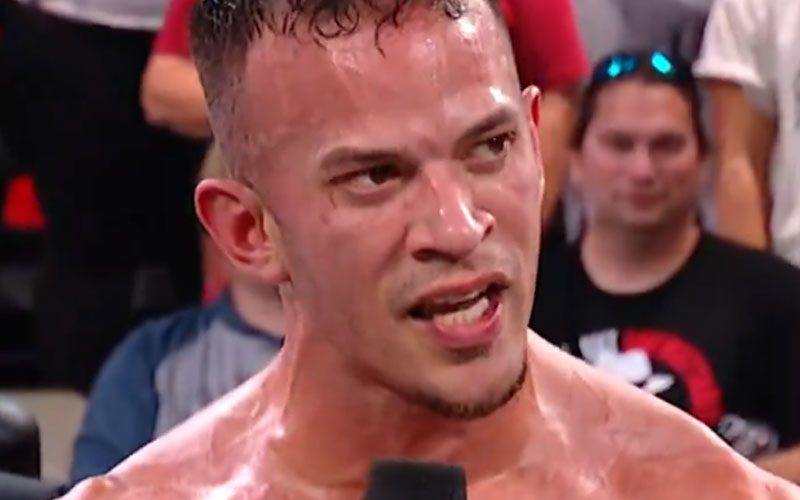
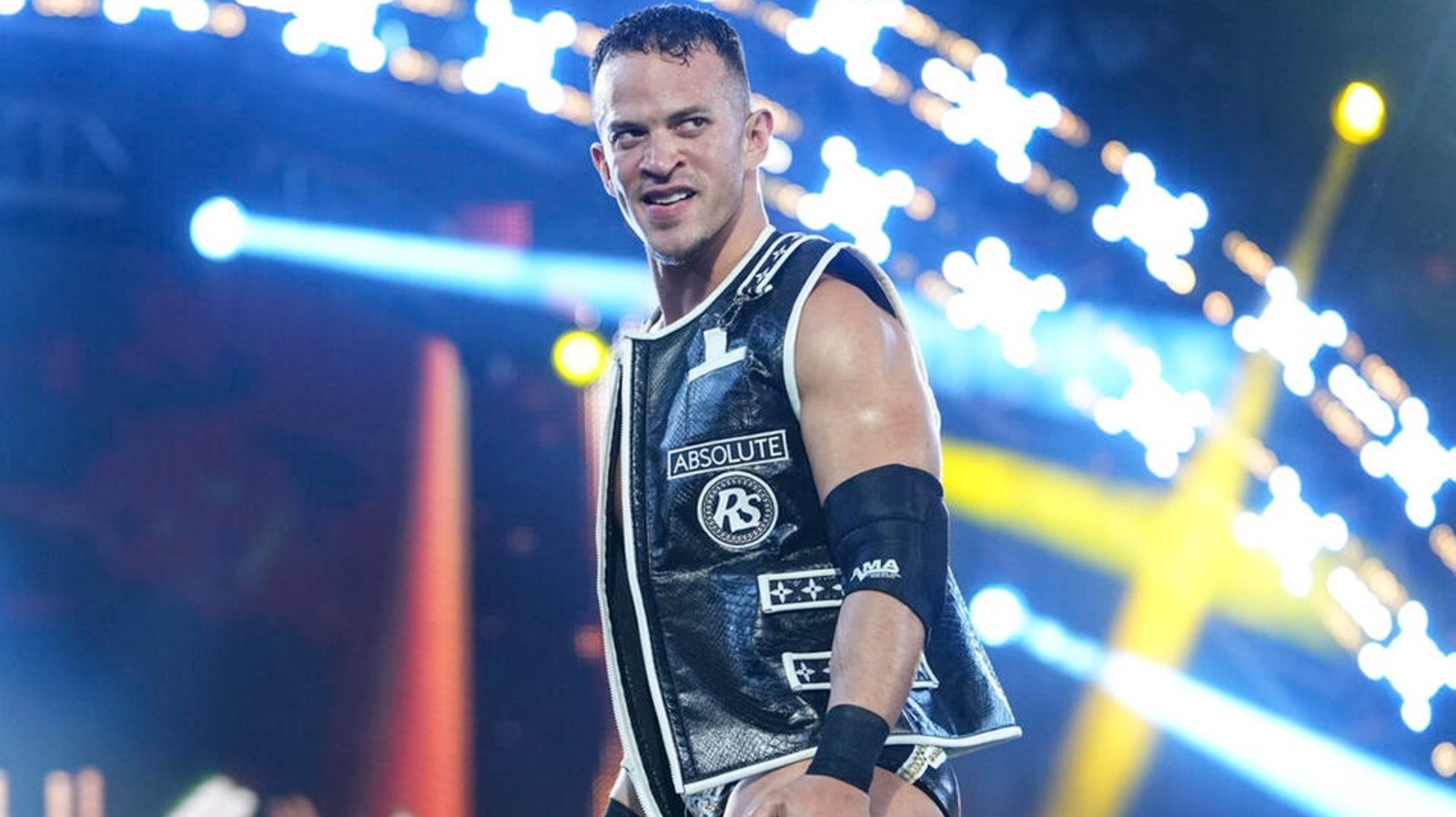
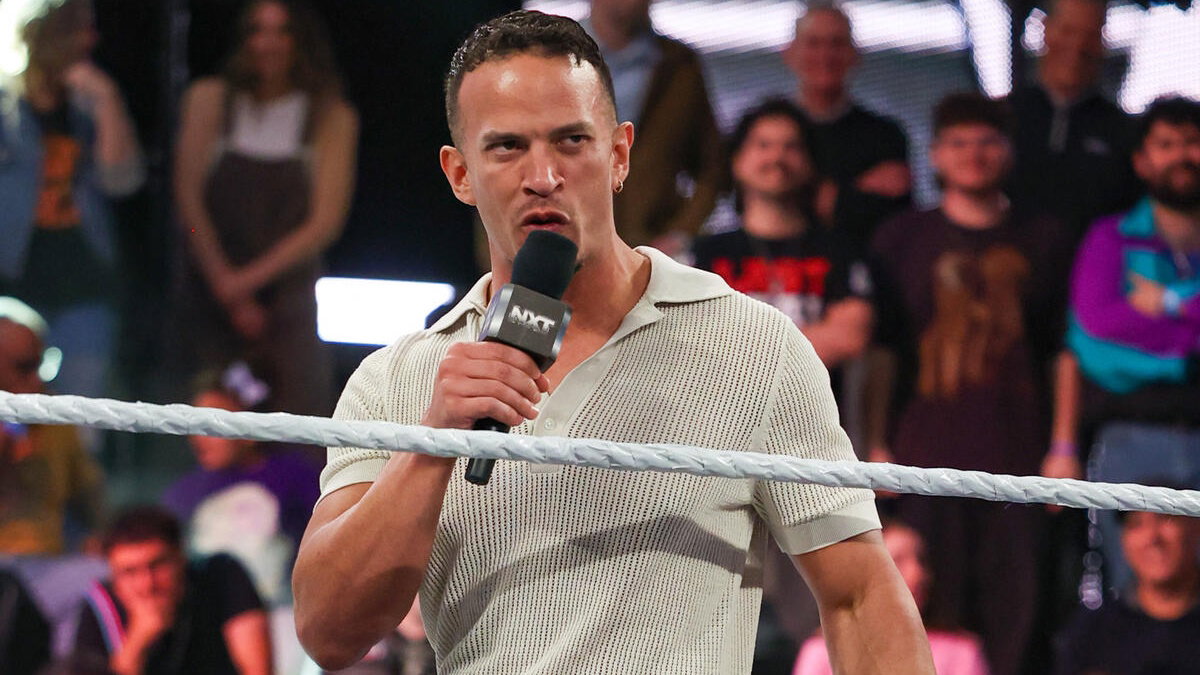
Ricky Saints arrived on SmackDown this past Friday with a massive sense of anticipation. His debut vignette and subsequent in-ring segment marked him as a priority project for the creative team. However, internal medical reports indicate the momentum has reached a forced standstill due to a lower-body injury sustained during high-impact training cycles earlier this week.
The performer, who gained significant traction on the independent circuit before signing his main roster deal, was reportedly sidelined during a routine performance evaluation on Tuesday. Medical staff are describing the issue as a grade-two ligament strain in the left ankle. This type of soft-tissue damage requires immediate immobilization to prevent long-term instability in the joint.
This is not the first time a debut has been derailed by physical setback. Historical trends show that athletes moving from demanding independent schedules to the high-frequency nature of WWE television often face a transition lag. The body requires time to adjust to the travel schedule and the intensity of ring work under professional lights.
Strategic damage control for the Stamford office
The timing is a nightmare for the creative team. Plans were finalized to integrate Saints into the primary mid-card circuit leading into the summer premium live events. With only seven days until Backlash, the booking committee is now forced to rewrite scripts that were likely set for the next month of television.
Industry analysts identify several potential issues with the current vetting process. The shift from working a few bouts per week to the rigorous performance standards at the Performance Center has exposed gaps in conditioning. While the talent levels are undeniable, the physical consistency required to survive a full-time main roster schedule is a clear hurdle for recent signees.
Competitors have often thrived by using these gaps to build anticipation through short, high-quality video packages while the individual recovers. If the medical team maintains the current trajectory, we are looking at a recovery window of approximately 4 to 6 weeks. This removes Saints from contention for the late-spring booking cycle.
One must wonder if the organization pushed the debut too aggressively without verifying mechanical readiness. Booking a talent while they are mid-transition often leads to these exact scenarios. The lack of match-load variance during the developmental phase remains a glaring flaw in how new hires are brought onto the flagship program.
The long road to recovery
Physiotherapy sessions are scheduled to begin immediately. The priority is to avoid surgery, as the current diagnosis suggests that controlled rehabilitation can stabilize the site. Saints is already documented as being frustrated with the delay, having made a loud impact with his first appearance on the blue brand.
Looking ahead, the goal is a return to action before full-scale summer programming. If the ankle does not respond to physical therapy by the mid-month evaluation, the timeline will shift drastically. For now, the roster spot is officially listed as inactive on the internal injury report managed by the training staff.
The loss of a fresh face on screen is more than a booking inconvenience. It represents a $1.5 million annual contract investment failing to generate immediate output on television. Management is now tasked with managing fan expectations in an era where social media reactions can turn against a performer who isn't consistently visible.
The industry standard for a grade-two ankle strain typically results in a minimum of 30 days of recovery time. Any attempt to accelerate that timeline creates a high risk of re-injury. Fans should not expect to see Saints in a televised contest before the conclusion of the June calendar, regardless of how desperate the creative department becomes for new challenger options.
Critical eyes will remain on the trainers in Florida. If this trend of debut-related injuries continues, the procedure for clearing talent for television will need an overhaul. It is difficult to build a new star when the physical foundation is not reinforced before the initial curtain call. The industry's current push for rapid integration is creating an environment where injuries are becoming an unfortunate by-product of high-speed creative pivots.