The changing reality of the modern WWE schedule
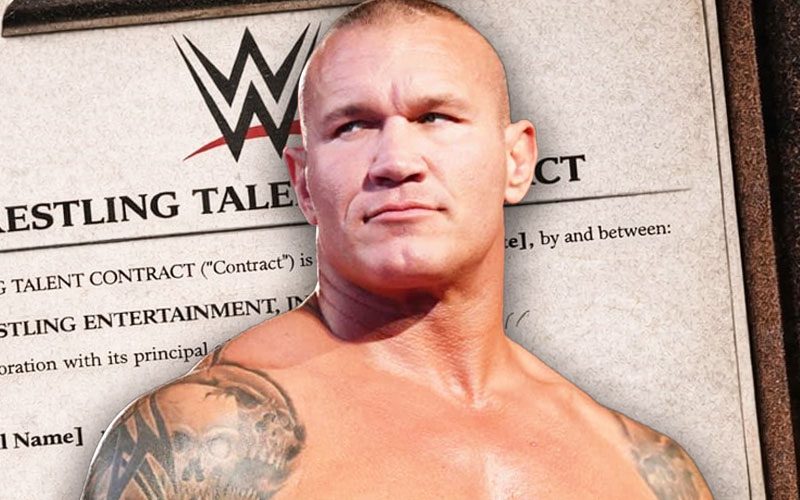
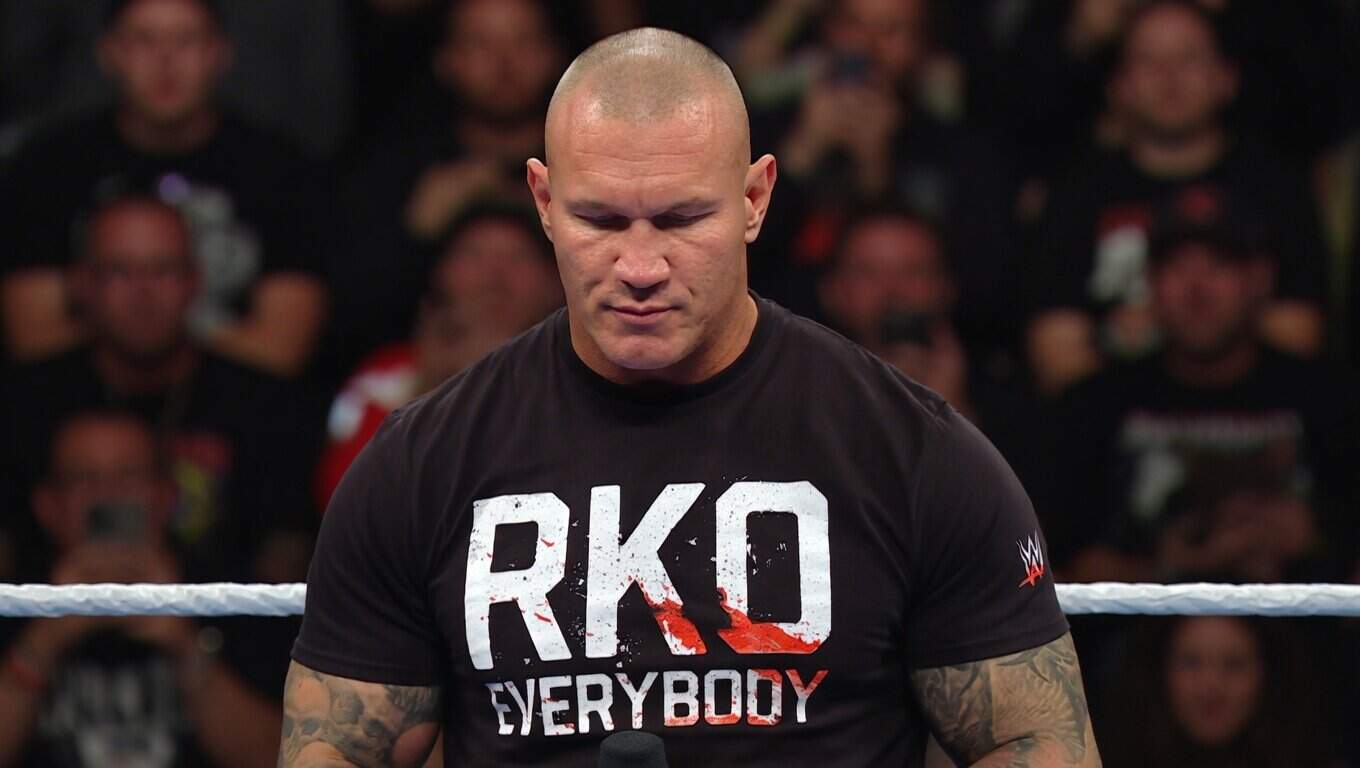
Randy Orton is settling into the final phase of his legendary tenure. With four years remaining on his current contract, the veteran is reflecting on how the business has shifted under his feet. The most notable change? Experience. Orton has expressed frustration regarding the reduction of house shows, noting that the lack of live repetition has stripped away the instinctual chemistry wrestlers once built on the road.
As reported by WrestlingNews.co, Orton argues that modern talent heads into televised matches without the benefit of a "test run." In the past, performing the same match four or five nights a week allowed wrestlers to iron out timing, pacing, and crowd reactions before ever hitting a prime-time broadcast. Now, talent is essentially jumping into the deep end without a rehearsal.
"You don't get that chemistry because you aren't working with the same person four nights a week on house shows. You're working once, maybe twice, and then you're on TV."
The consequence is clear: matches feel tighter, perhaps more athletic, but occasionally lack the organic flow of a rivalry that has been battle-tested over a month of loops. For a technician like Orton, whose work is built on subtle movements and timing, this absence of data is a genuine operational hurdle. It changes the product from a living, breathing performance into a choreographed set piece.
The RKO legacy and building the final bucket list
Despite the shifts in scheduling, one element of Orton’s career remains stagnant: the protection of the RKO. Orton credits Vince McMahon for the long-term stewardship of the maneuver. McMahon demanded that the move be viewed as a definitive end to any contest, a standard that Orton has strictly maintained for over two decades.
The move is treated as a "kill shot"—a term Orton himself uses to describe its stature in the industry. McMahon’s insistence on not letting the move lose its luster allowed it to become arguably the most recognizable finisher in pro wrestling. It is a rare example of a company mandate having a tangible effect on a performer's long-term marketability.
As he looks at the horizon, Orton isn't satisfied with his current portfolio of victims. During recent interviews, he made it clear there is still a massive name on his hit list: The Rock. While the two have crossed paths in the past, a definitive RKO to the Great One remains a lingering goal for the Apex Predator. It is the type of fantasy confrontation that serves as a reminder of Orton's enduring status as a primary character in the WWE canon.
The Finn Balor desire and the Ted DiBiase dispute
Beyond the icons, Orton has specific tactical goals for his remaining contract time. He has openly courted a program with Finn Balor, a matchup that hasn't seen the depth of a primary feature-length feud during their overlapping eras. Balor's agility against Orton’s calculated methodology offers a stylistic clash that, if booked correctly, could provide the high-level match quality that the current televised-only model tends to lack.
Then, there is the bizarre financial subplot. Orton has publicly claimed that Ted DiBiase Jr. owes him $25,000. It is a strange, highly specific grievance that highlights the odd reality of veteran wrestlers harboring professional and personal resentment years after their former stablemates have drifted from the spotlight. Whether this is part of some elaborate setup or a genuine holdover from their Legacy days remains unclear.
Critical analysis: The house show dilemma
The shift away from high-volume house shows is broadly considered a win for talent physical health, but Orton’s critique of the resulting "in-ring chemistry" is a fair observation. The wrestling industry is currently struggling to find a middle ground between protecting the athlete and maintaining the polished quality of television product.
If wrestlers only get together on camera, the first ten minutes of a high-profile match often feel like they are still searching for the rhythm. You can see the hesitation in the collar-and-elbow ties and the cautiousness in the transitions. It is a noticeable flaw in the modern presentation, and hearing a locker room leader acknowledge this suggests that internal frustration is mounting. Wrestling is a craft of rhythm, and removing the repetition is having a measurable impact on the final product.
Orton's next four years will likely be defined by these types of legacy programs and the attempt to force that "house show chemistry" into a television-only environment. He remains a pillar of the active roster, but his comments suggest that even the best in the world are still trying to figure out how to navigate the current era's limitations.