The technical hurdles of modern roster management
The visa logjam that sidelined Komander from AEW and Ring of Honor has finally dissolved. After months of restricted movement, the luchador is cleared for United States competition again, as reported by Ringside News. This solves a significant headache for a promotion that relies on high-flying technicians to differentiate its broadcast product from the more grounded presentation seen elsewhere.
Komander’s return is not merely a depth signing; it is a tactical necessity. AEW’s ability to present fluid, chaotic matchups often hinges on the presence of performers who can maintain a blistering pace without losing coherence. Without Komander, the mid-card struggled to replicate the specific aerial ingenuity he provides during his signature rope-walk sequences.
Creative direction and the high-flying void
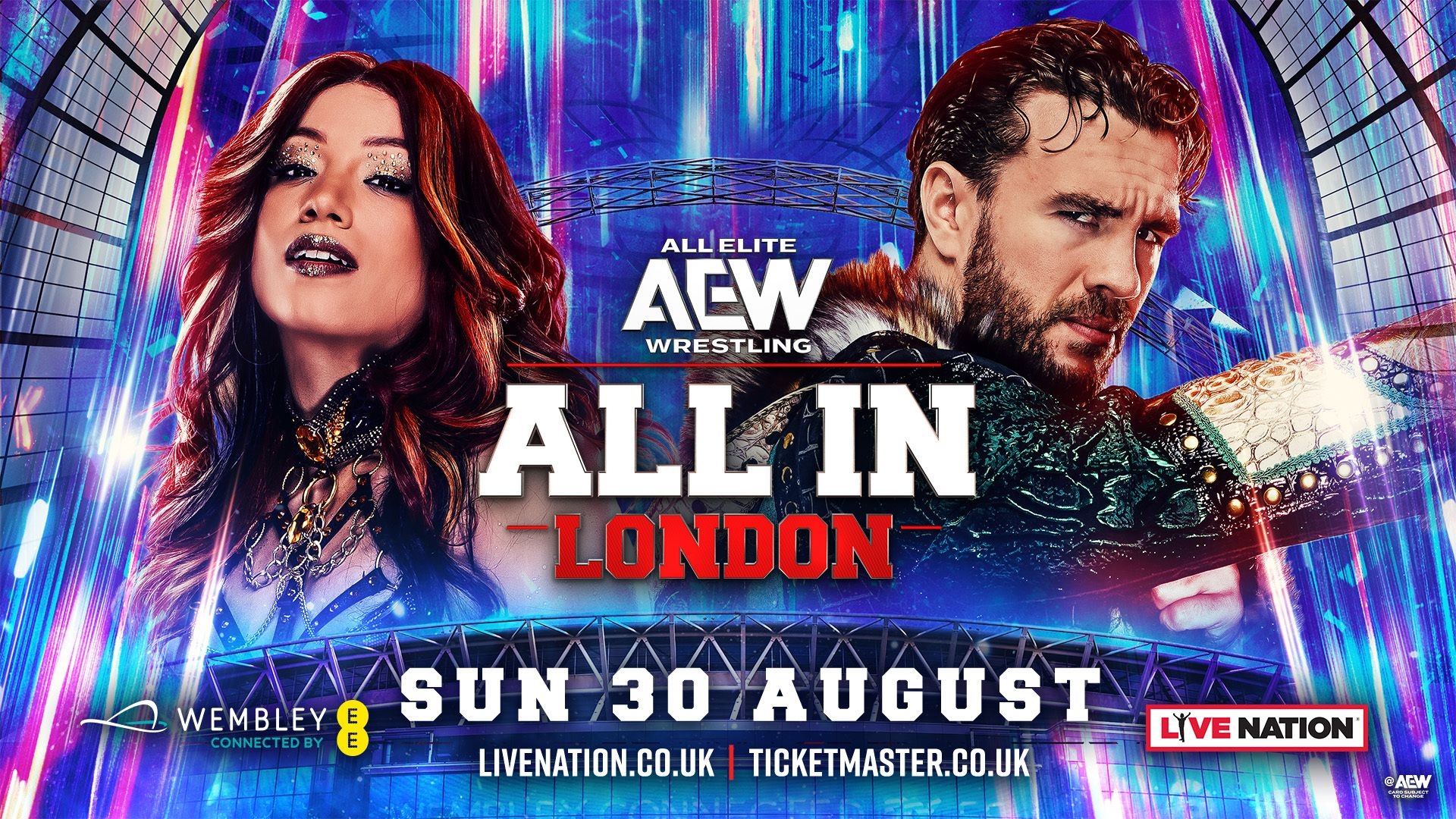
The promotion finds itself in a precarious spot. With AEW All In ticket sales requiring promotional pushes like 50% off incentives, as noted by F4WOnline, the product needs spectacle. Bringing back a verified crowd-pleaser who excels in multi-man matches provides Tony Khan with an immediate plug-and-play solution for television segments designed to boost engagement.
Expect to see Komander slotted into the Ring of Honor title scene or the lower-tier AEW mid-card belts immediately. He functions best when he is tasked with stealing the show in the opening slot. However, relying on high-risk aerialists creates a specific long-term sustainability concern. His recurring injury history remains a valid critique of this booking approach, as speed often leads to landing errors.
The strategic fit for the roster
Komander possesses a rare athleticism that translates well to short-form social media clips, a currency currently vital for wrestling engagement. His verticality provides a necessary aesthetic contrast to the heavy-hitting styles of competitors like Miro or the more tactical, submission-based wrestling of the Blackpool Combat Club. He remains a specialist, not a cornerstone, but his presence prevents the upper-mid-card from becoming static.
The integration period will be short. Because he is already familiar with the workflow and psychology of the AEW locker room, there is no ramp-up phase. The expectation is that creative teams are already building spots around his return for the next cycle of tapings. This move is less about a massive re-debut and more about stabilizing the structural integrity of the high-flying division.
Critical assessment of the return
One must look realistically at the diminishing returns of pure "spot-fest" wrestling. If Komander returns to the same rote sequences he utilized in late 2025, he risks becoming a background character rather than an attraction. His ceiling is capped unless he develops a more cohesive narrative arc between those rope-walk maneuvers.
Weighing the performance floor against the ceiling, the organization is making a calculated bet on quantity over evolution. It is a safe move, but not an ambitious one. The promotion is banking on the fact that the audience has a short memory regarding his previous booking stagnation and will reward the return with immediate heat.
Projected impact and outlook
Adding a reliable athletic asset back to the active roster is never a negative, yet it avoids addressing deeper concerns regarding character depth. The company needs to pair him with a promo-heavy manager or a more seasoned heel to draw out of him something other than pure athleticism. Relying purely on technique is a recipe for being left off major pay-per-view cards as the brand looks to scale up for its marquee events.
The return should be viewed as a baseline correction. The promotion is filling back the slots that were vacated by external variables. Will this move meaningfully change the trajectory for AEW this summer? Likely not, but it prevents further slippage during a period where ticket pressure remains significant.