The Champion Won, The Viper Stood Tall
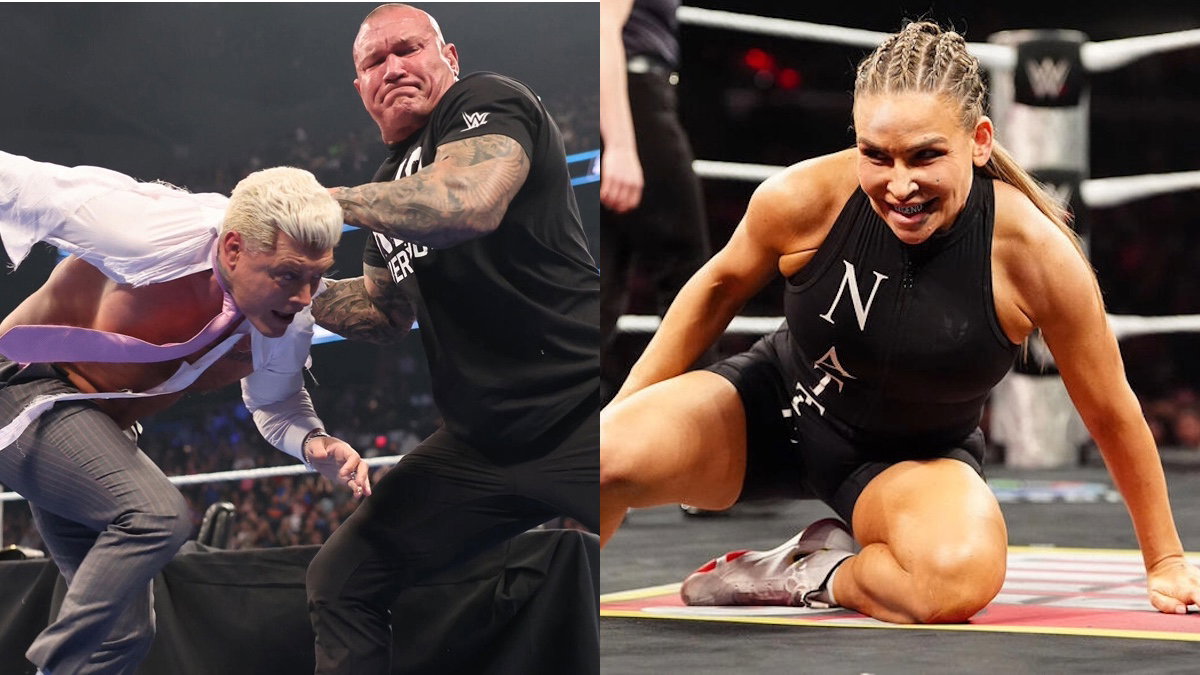
WrestleMania 41 Night One closed on a deceptively clear image: Cody Rhodes, the Undisputed WWE Champion, celebrating his victory. But the man he defeated, Randy Orton, lingered in the frame and in the mind. The result is in the books, but the story feels far from over. Orton, even in defeat, reportedly "stood tall," a classic wrestling signifier that the vanquished has unfinished business.
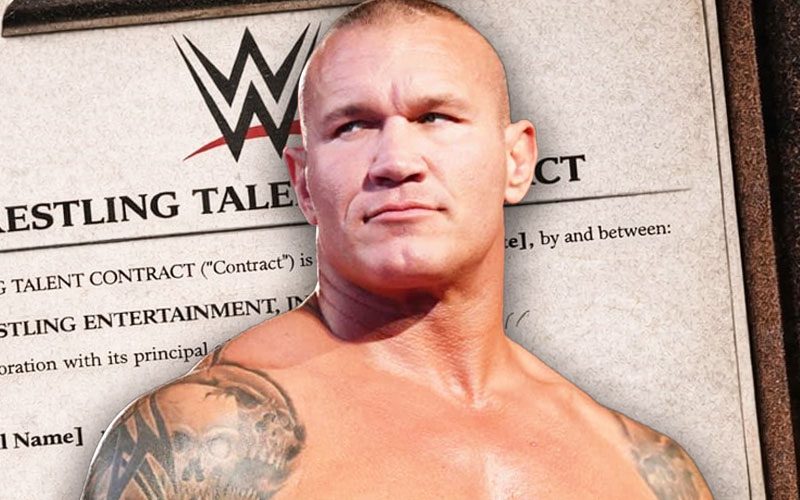
This high-profile championship clash, which even drew celebrity guest Pat McAfee into the line of fire thanks to a table spot from musician Jelly Roll, occurs at a fascinating crossroads. Just as Orton delivers some of the most compelling character work of his career, reports have begun to circulate, via an article titled 'Randy Orton Reveals How Long He Has Left On His WWE Contract And What Comes After That,' that the Apex Predator is openly discussing his own professional horizon. The performance at WrestleMania was a statement; the question now is what kind of statement he plans to make at the negotiating table.
A Feud Rooted in Legacy
The conflict between Orton and Rhodes is anything but a standard challenger-of-the-month program. It's a story over a decade in the making, a violent collision of two careers forged in the same crucible: the 'Legacy' faction. In the late 2000s, Orton was the established main-eventer, and Rhodes was the ambitious protégé. Now, the roles are reversed. Rhodes is the standard-bearer, the champion who 'finished the story,' while Orton is the veteran predator, returned from a career-threatening injury more focused and dangerous than ever.
Their match at WrestleMania wasn't just for the title; it was a referendum on their shared history. It was a test for Rhodes to prove he had finally eclipsed his former mentor. For Orton, it was a chance to prove that the original is always greater than the copy. Cody's win is the official outcome, but the intensity of the feud suggests a deeper, more personal narrative is still unfolding. When a program becomes so heated that it pulls non-wrestlers into physical spots, it has achieved a rare level of gravity.
The Contract Question
This brings us to the central uncertainty. Why would a performer at the absolute peak of his game, in the middle of his hottest feud in years, publicly discuss the endpoint of his contract? There are several possibilities. The most cynical, and perhaps most likely, is that it's a masterful negotiation tactic. By letting the world know his deal is up for discussion, Orton reminds WWE of his market value at the exact moment he's proving it against their top champion. It generates leverage.
Another possibility is that it's a storytelling device. Orton is adding a layer of real-world stakes to his on-screen character. Is this his last run? Is he fighting against time itself? This meta-narrative enhances the drama, making every RKO feel like it could be his last chance. The least likely option is that it signals a genuine desire to leave. Orton is a WWE lifer, a third-generation superstar whose career is inextricably linked to the promotion. But the business is changing. We've seen other legends make shocking exits. The one critical observation one must make is that WWE has, in the past, underestimated the desire of a veteran to write their own ending, even if it's somewhere else.
Creative Pathways and Probabilities
Assuming Orton stays, which seems the overwhelming probability, what does his future look like? The path forks in a few key directions.
Path A: One More Run
The aggression and unresolved tension from WrestleMania suggests Orton isn't ready to step back from the main event. His performance proved he belongs there. A new contract could be built around a final, dominant reign as champion, a last run at the top where he cements his legacy and puts over the next generation on his own terms.
Path B: The Gatekeeper
Alternatively, this feud with Rhodes could be the pivot. Orton could transition into a special attraction, a 'final boss' for aspiring main-eventers. He's in the perfect position to take on a role similar to The Undertaker's later years, working limited, high-impact programs where his presence alone elevates his opponent. A win over Randy Orton would become one of the most valuable accolades a young star could earn.
Probability Assessment
Evaluating the situation requires a degree of speculation, but we can make an educated assessment.
- Orton re-signs with WWE: Probability: Very High. He is a cornerstone of the company, and both parties have too much to lose from a separation.
- Orton leaves for a competitor: Probability: Very Low. It's not impossible, but it would be one of the biggest shocks in modern wrestling history.
- Orton transitions to a part-time/Legend's deal: Probability: High. This seems the most logical next step, allowing him to preserve his body while maximizing his impact in major storylines.
The Lasting Impact of a Legend
The war with Cody Rhodes has been a powerful reminder of Randy Orton's value. He is not just a legacy act coasting on nostalgia; he is an elite-level performer still operating at the height of his powers. His ability to generate heat, tell a story in the ring, and deliver a compelling character is second to none. Whatever the details of his next contract, WWE's primary objective should be to keep him in the fold. Orton's endgame, whether it's one more title run or a new role as the ultimate gatekeeper, will define the final chapter of a Hall of Fame career and shape the company's main event scene for years to come.