The Las Vegas pressure cooker
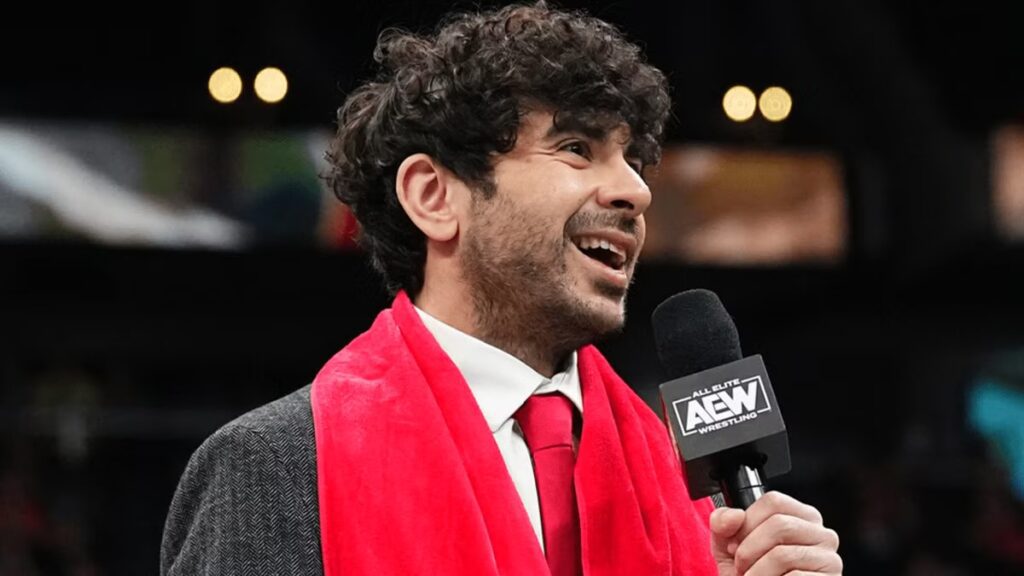
We are exactly five days out from AEW Double or Nothing 2026. Las Vegas in late May is usually a place for reckless optimism. You walk into the casino thinking you can beat the house. For Tony Khan, this weekend feels entirely different. He isn't playing with house money anymore. The grace period ended a long time ago.
Double or Nothing is supposed to be the company's cornerstone. It is the anniversary show. The spiritual birthplace. But right now, the promotion feels like it is walking a tightrope over a very steep drop. Television ratings have plateaued around the 750,000 viewer mark. The creative direction over the last three months has been, to put it mildly, aggressively inconsistent.
We have seen too many tournaments. Too many interim titles. Too many instances where the booking committee seemed to forget a storyline existed until three days before the pay-per-view. The undeniable goodwill that carried All Elite Wrestling through its early years has been slowly replaced by a demanding, almost cynical expectation from the fanbase.
If we believe the latest news and notes from PWInsider, the backstage environment is entirely focused on delivering a flawless in-ring product. They want the hits. They want the big fights. And that is exactly why the main event on Sunday is so fascinating.
The history of violence
Kazuchika Okada defending the AEW World Championship against Will Ospreay. On paper, it is the safest bet in the industry. It is a guaranteed five-star classic before the bell even rings. We have seen them do this in Tokyo. We have seen them do this in London. Now, they are tasked with doing it in the Nevada desert.
But that guarantee is exactly what makes this match so dangerous for the promotion. When you book Okada and Ospreay, the expectations are not just high. They are astronomical.
If these two go out and have a very good match, it will be viewed as a disappointment. If they have a great match, it will be viewed as meeting the baseline. They are burdened with the impossible task of saving a pay-per-view build that has been, frankly, completely forgettable.
Let's be honest about the last few weeks of television. The promos have felt disconnected. Okada's translator-assisted segments have lacked the biting edge we saw during his initial heel turn. Ospreay has spent more time dealing with mid-card distractions than focusing on the actual champion.
It is a classic Tony Khan booking mistake. He relies too heavily on the inherent quality of the performers to sell the match, rather than building a narrative that forces people to buy the pay-per-view. The match will sell, but the story has dragged.
The mechanical perfection of Okada
When you watch Okada work right now, there is a sense of inevitability. He isn't flashy in the way American audiences typically expect from a top heel. He doesn't need to cut twenty-minute monologues in the middle of the ring.
His arrogance is subtle. It is the way he looks down at his opponent after hitting a basic neckbreaker. It is the delayed cover. It is the absolute refusal to panic, even when Ospreay starts stringing together high-impact offense.
Okada has adapted to the American television style better than almost anyone anticipated. But he still wrestles his main events like they are happening at the Tokyo Dome. He wants the slow build. He wants the agonizing submission spots in the middle fifteen minutes. He wants the crowd to earn the explosive finish.
That pacing is going to be tested against Ospreay. Ospreay operates at a frenetic pace that borders on the chaotic. He is trying to fit forty minutes of offense into a twenty-minute window. It is breathtaking, but it can also be exhausting.
The risk of diminishing returns
My biggest concern heading into Sunday is the familiarity. We know these two can dance. We know the exact rhythm of the Rainmaker reversals into the Oscutter. We have seen the Hidden Blade countered into the dropkick time and time again.
How do they make this specific encounter feel different? How do they make it an AEW match, rather than just a New Japan Pro-Wrestling tribute act taking place in an American ring?
Ospreay has heavily altered his style since joining the company full-time. He has grounded himself, trading some of the aerial absurdity for a more striking-based approach. It was a necessary evolution to preserve his body, but it also changed the dynamic of his biggest matches.
He can't just fly over Okada anymore. He has to strike with him. He has to out-wrestle him. And historically, nobody out-wrestles the Rainmaker when the lights are brightest.
The interference problem
There is also the underlying dread of interference. AEW has developed a nasty habit of overbooking its main events recently. The Elite, the Don Callis Family, whatever faction is currently feuding with the secondary characters in this story. They all feel like potential landmines waiting to ruin a clean finish.
If Tony Khan allows outside interference to taint this match, the live crowd will absolutely revolt. The backlash would be swift and merciless. This match requires a clean sheet. Just the two best wrestlers in the world, a referee, and thirty minutes of uninterrupted action.
The MGM Grand factor
We also have to factor in the building itself. The MGM Grand Garden Arena is notorious for swallowing sound if the crowd isn't completely invested. It is a massive cavern. If the pacing drags in the middle ten minutes, the silence will be deafening on the broadcast.
Okada has wrestled in front of quiet crowds before. The Japanese audience is famously respectful, clapping rather than chanting during technical exchanges. But an American crowd going quiet isn't showing respect; they are showing boredom. Ospreay will be the one tasked with keeping the energy high, likely relying on high-risk springboard spots to force the crowd back to their feet.
If they lose the room early, getting them back will require taking bumps that neither man should be taking a week before a major television taping.
The stakes for the roster
Beyond the championship, this match dictates the ceiling for the rest of the roster. If Okada retains, he solidifies his grip on the company. It sends a message that the old guard, the established international superstars, still hold the keys to the kingdom.
If Ospreay wins, it signals a massive shift. It positions him as the undeniable face of the franchise for the next five years. He is younger. He is hungrier. He connects with the younger demographic in a way that very few guys on the roster currently do.
A title change here resets the entire board. It opens up fresh feuds. It gives the mid-card guys a new target to shoot for. It breathes oxygen into a locker room that desperately needs a jolt of energy.
But Tony Khan loves a long title reign. He hates pulling the trigger early. He prefers the slow burn, even when the audience is begging for the explosion. That hesitance has cost the company momentum in the past. Will he make the same mistake again?
The shadow of the competition
We cannot ignore the context surrounding this event. The wrestling world is moving fast. The competition is hotter than it has been in two decades. The recent major events from the other side of the fence have set an incredibly high bar for production, storytelling, and in-ring action.
AEW cannot afford a mediocre pay-per-view. They cannot afford a show that is just fine. Double or Nothing has to be a statement. It has to remind people why this alternative was created in the first place.
It was created for matches exactly like this one. Unfiltered, uncompromised professional wrestling at the highest possible level. No scripted promos during the match. No goofy disqualifications. Just physical excellence.
The undercard is patchy at best. The tag team division feels like it is treading water after a string of injuries. The women's division is improving but still struggles for consistent television time. All of the pressure is resting squarely on the shoulders of Okada and Ospreay to make this fifty-dollar purchase feel justified to the hardcore fans.
What to watch for
Keep a close eye on the first five minutes. Okada loves to dictate the early pace. He wants to establish his dominance with basic holds and clean breaks. If Ospreay immediately blitzes him at the bell, it changes the entire complexion of the match.
Watch how they handle the near-falls. American crowds are conditioned to pop for near-falls off finishing moves. Okada rarely kicks out of a true finisher; he prefers to avoid them entirely. If Ospreay actually hits the Hidden Blade and Okada kicks out, the building will shake.
Also, pay attention to the selling. Ospreay has had lingering neck issues throughout the year. Okada knows this. The Rainmaker is, at its core, a devastating strike to the neck and upper back. The psychology of this match is brutal and straightforward. One wrong landing on the neck, and the match is effectively over.
The Final Verdict
I have gone back and forth on this for weeks. The logical booking says you keep the belt on Okada. You let him establish a terrifying, year-long reign of dominance. You make the eventual babyface victory feel like a monumental triumph.
But AEW doesn't have the luxury of time right now. They need momentum. They need a spark. They need the kind of visceral, undeniable reaction that only a massive title change can provide.
Ospreay is the guy. He has been the guy since the moment he signed the contract. Holding off on his coronation any longer feels stubborn rather than strategic.
I expect a thirty-five-minute classic. I expect pacing that will make you hold your breath. I expect a final five minutes that will completely break the internet.
Tony Khan is going to push his chips to the middle of the table. He is going to bet the house on the aerial assassin. And frankly, it is the only correct move left to play.
Prediction: Will Ospreay wins via pinfall after hitting a top-rope Oscutter followed immediately by the Hidden Blade at the 34-minute mark, capturing the AEW World Championship.