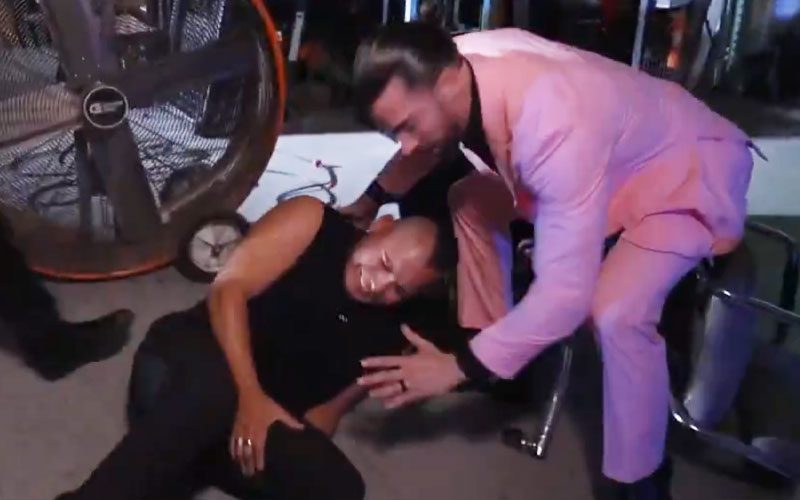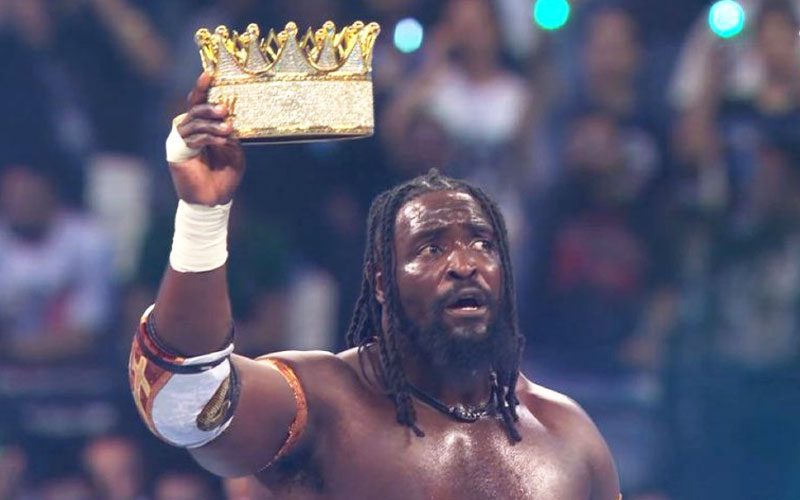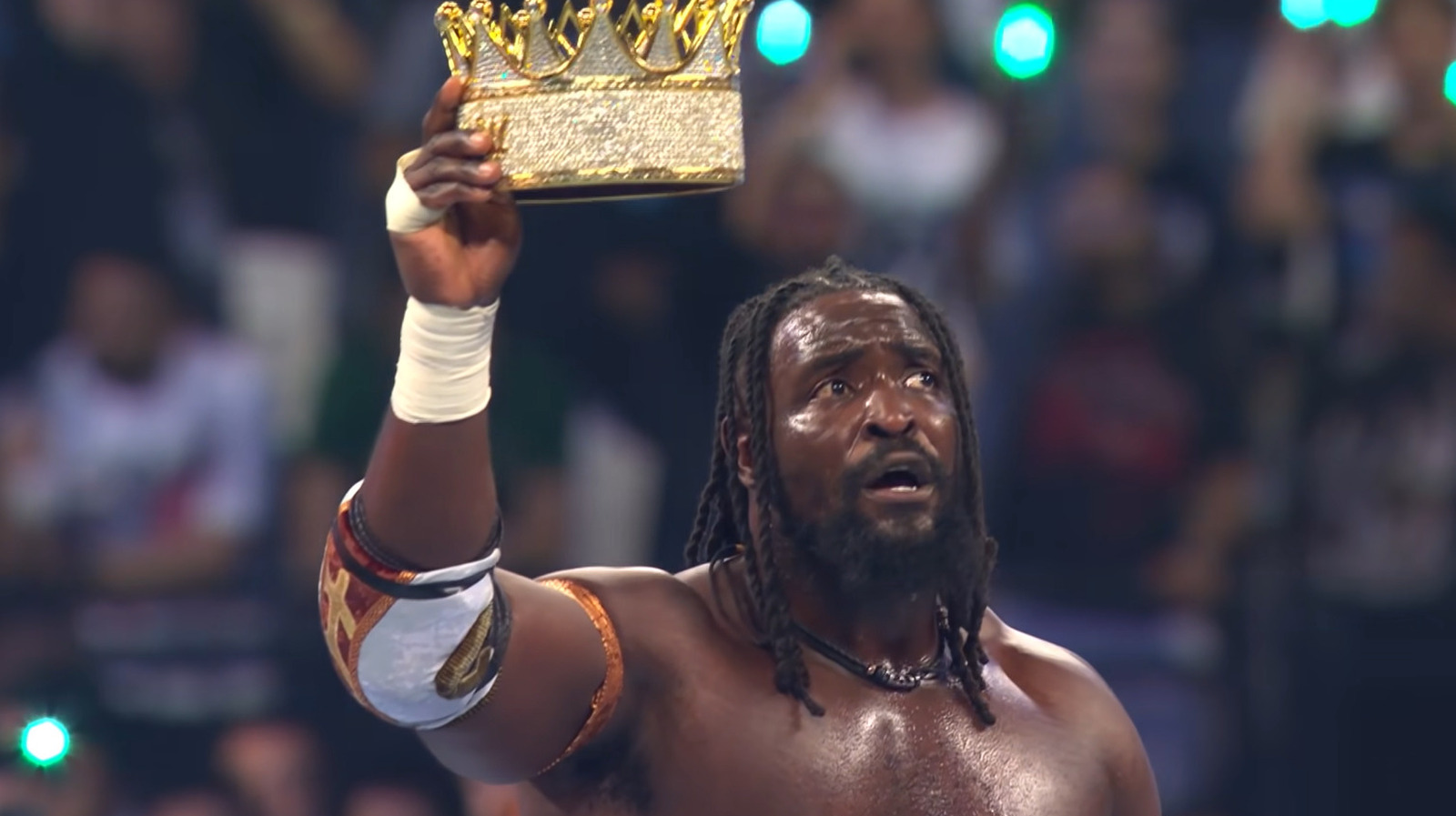
An average of 394,000 viewers and a 0.07 rating in the key 18-49 demographic is normally cause for panic in prime-time network television. Yet, in the cold calculus of professional wrestling counter-programming, those numbers represent a successful tactical ambush. On Sunday, June 28, 2026, WWE chose to run its first NXT premium live event on the CW Network, the Great American Bash, directly against AEW x NJPW Forbidden Door.
The immediate rating was historically low for a network broadcast. However, the move accomplished its primary strategic objective. According to Dave Meltzer on Wrestling Observer Radio, early indicators suggest that Forbidden Door 2026 is trending to be the lowest-selling pay-per-view in AEW's current fiscal year. The battle was not about winning the night on CW, but about starving the pay-per-view competitor of casual buys.
The CW Sacrifice: Analyzing the 0.07 Tactical Spoiler
For years, WWE and AEW have engaged in programming skirmishes, but the head-to-head on June 28 marked a massive shift in WWE's television strategy. NXT drew only 394,000 average viewers on the CW Network. In contrast, normal NXT weekly television episodes on USA Network routinely drew between 600,000 and 700,000 viewers. By placing a premium live event on a free-to-air network on a Sunday night, WWE voluntarily gutted its own viewership ceiling to create a roadblock.
The P18-49 demographic rating of 0.07 was the lowest for any major WWE television special this year. Yet, the show succeeded as a consumer distraction. Pay-per-view buys rely on impulse purchases from casual fans who are on the fence. Offering a free, high-production alternative featuring matches like Trick Williams and Roxanne Perez gave those casual fans an easy excuse to keep their wallets closed.
Wrestling observers noted that the strategy specifically targeted AEW's primary digital streaming footprint. Meltzer explained that the key growth metrics for AEW pay-per-views are now tied to digital streaming via HBO Max. When a free television special is streaming concurrently on ESPN Unlimited and broadcasting on CW, it creates massive noise in the digital search space. This noise directly correlates with a reduction in late-afternoon digital buys for the pay-per-view.
The Drop-Off: Comparing Forbidden Door to AEW's 2026 Peaks
This buyrate collapse comes at an unusual time for AEW. The promotion has enjoyed a stellar financial year, driven by the massive success of their spring events. Revolution in March and Double or Nothing in May both performed exceptionally well. In fact, Meltzer reported that both shows finished in the top five or six highest-selling pay-per-views in AEW history.
That momentum came to a sudden halt on June 28. While Double or Nothing's numbers were described by Meltzer as "really, really high," Forbidden Door represents a steep cliff. Historically, the crossover show has maintained a stable baseline. For instance, the 2024 iteration of the event drew between 110,000 to 116,000 buys worldwide. Early indicators suggest the 2026 edition will struggle to reach six figures, representing a double-digit percentage decline from its historical average.
"I will say this, and again, I don't have the AEW pay-per-view numbers, but, every indication I have is that they will be the lowest in a while."
This drop is particularly stark when compared to the company's non-crossover events. While Revolution was bolstered by Sting's retirement and Double or Nothing featured the return of top-tier talent, Forbidden Door was marketed strictly to the hardcore purist. The numbers prove that CMLL and Stardom talent, while popular with the vocal online fanbase, do not translate to broader pay-per-view purchases. Without the casual fan, the buyrate floor collapses.
The Card Structure: Why a 12-Man Cage Match Killed the Buyrate
Beyond the external threat of WWE's counter-programming, AEW committed several booking errors that damaged the show's box office appeal. The most egregious decision was the exclusion of a traditional AEW World Championship singles match. Typically, pay-per-views are sold on the marquee value of the top prize. Instead, the world champion Swerve Strickland was placed in the Men's Owen Hart Foundation Tournament Final against Will Ospreay.
While Ospreay defeating Strickland was a highly praised in-ring showcase, framing it as a tournament final rather than a title defense diluted the stakes for the casual audience. Furthermore, the show's top drawing card, MJF, was buried in a chaotic 12-man "Death's Door" steel cage match. Team Briscoe defeated Team DCMJF in a match that ran over thirty minutes and featured multiple convoluted storylines, including Andrade El Ídolo turning on MJF. Placing MJF in a multi-man environment rather than a high-profile singles match is a proven way to suppress buyrates.
The card also suffered from extensive late-stage alterations. Travel issues and injuries forced Tony Khan to scramble, changing three matches in the final seventy-two hours before the show. When fans are asked to pay fifty dollars for a pay-per-view, they expect the advertised card to remain intact. The combination of last-minute changes and the lack of a singular focal championship match made the event feel like an expensive episode of television rather than a must-see spectacle.
The August Trap: NXT Heatwave and the London Head-to-Head
WWE has no intention of letting up on this pressure campaign. The company has already announced that NXT Heatwave will air on August 30, 2026. This date is not coincidental. It is the exact same day that AEW will host its flagship international event, All In: London. WWE is explicitly signaling that any major AEW event will be met with a direct, free alternative to distract potential buyers.
This head-to-head strategy is a war of attrition. For WWE, NXT is a developmental brand that functions as a loss leader. Sacrificing NXT ratings on the CW Network is a cheap price to pay if it succeeds in shaving twenty percent off AEW's pay-per-view revenues. Pay-per-view remains AEW's most important source of direct liquid cash flow. Suppressing those buys directly limits AEW's ability to bid for top-tier free agents.
For AEW, the solution cannot just be relying on great matches like Kenny Omega defeating Zack Sabre Jr. to satisfy the hardcore audience. The promotion must rethink how it structures its crossover cards. Crossover events must feature simple, easy-to-understand storylines that appeal to the casual viewer who may not watch New Japan or CMLL weekly. If they fail to adapt, WWE's weekly roadblocks will continue to erode their pay-per-view margins.