NXT's post-WrestleMania casket match is a risky television gamble
The Geometry of a Gimmick
We are just days away from WrestleMania 41. All eyes are understandably fixed on Allegiant Stadium in Las Vegas. The narratives are peaking, the main roster is entering its final sprint, and the industry is holding its collective breath. But down in Florida, the developmental brand is trying to steal a slice of the pie during the most crowded week of the year.
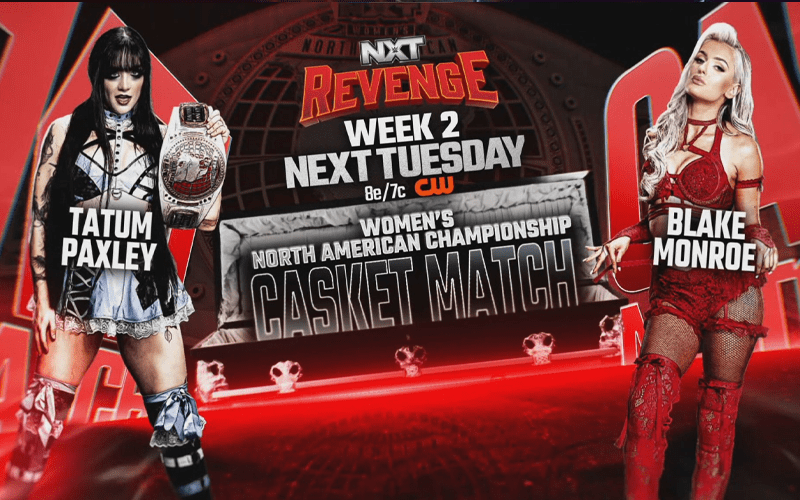
According to a brief update from Ringside News, the April 21 edition of NXT Revenge will feature a casket match. It is a striking booking decision.
You do not just casually drop a massive wooden box at ringside without altering the entire psychological makeup of a wrestling show. The casket match is a relic of the mid-nineties, a heavy, macabre gimmick that completely changes the spatial dynamics of the ring area. It removes the traditional win conditions of pinfalls and submissions. Instead, it turns a standard wrestling bout into a grinding, repetitive sequence of dragging and stalling.
When you eliminate the threat of a sudden three-count, you change how a wrestler defends themselves. The defensive guard drops. The frantic scrambling out of a pinning predicament disappears. Instead, the focus shifts entirely to the apron and the steel steps. The ringside area becomes the only zone that actually matters.
Consider the offensive arsenal required. An armbar does not help you put a man in a box. A standard suplex only leaves the opponent flat on their back in the middle of the ring, miles away from the target zone. The attacking wrestler is forced to rely on heavy, blunt-force strikes. Clubbing forearms to the back of the neck. Repeated stomps to the lower lumbar region. The goal is not to inflict sudden, sharp pain, but to systematically drain the central nervous system until the opponent cannot stand under their own power. It is a war of attrition, not a sprint.
This creates a massive logistical problem for the performers. They have to spend the majority of the bout trying to move dead weight over the top rope. This requires specific physical positioning. You cannot hit a fast-paced sequence of chain wrestling when the ultimate goal is just pushing someone into a box. The match inevitably slows down to a crawl.
The Television Trap
This brings us to the most glaring issue with this booking strategy. Putting a casket match on free television is a fundamental error in pacing.
Gimmick matches of this magnitude require breathing room. They need sustained crowd heat. They demand an uninterrupted flow of violence to maintain the suspension of disbelief. Television wrestling, however, is built around the commercial break.
Think about the standard television formula. The babyface gets some early shine, the heel cuts them off, we go to a three-minute ad break. During that break, the heel applies a rest hold. We return from the break just in time to see the babyface start their comeback sequence. It is a rigid, reliable structure.
How exactly do you execute that structure with a casket sitting at ringside? You cannot have the heel put the babyface in the casket and slowly close the lid during picture-in-picture. If the lid shuts, the match ends. So the performers are forced into artificial stalling tactics.
We are going to see a fierce, blood-feud rivalry reduced to chinlocks in the center of the ring while a giant wooden box sits completely ignored on the floor. It shatters the illusion of the fight. The average television main event features roughly 12 minutes of actual wrestling between ad breaks. Cramming a slow, methodical gimmick into that tight window is setting the performers up to fail.
Furthermore, the presence of the casket completely changes the behavior of the referee. In a standard contest, the official is a dynamic part of the presentation, constantly moving, checking shoulders, and enforcing rope breaks. Here, the referee is essentially reduced to a doorman. They hover awkwardly near the apron, waiting to wave their arms when a lid is finally shut. It strips away a layer of procedural realism that holds a wrestling match together. Without the constant threat of a count-out or a disqualification, the early minutes of the match often feel entirely devoid of stakes. The wrestlers are just killing time until the final sequence.
You are essentially asking two wrestlers to structure a fight to the death around promotional spots for fast food and auto insurance.
Diluting the Product
The timing of this match also highlights a frustrating trend in modern NXT booking. The brand has become overly reliant on the multi-week television special.
We just saw the first half of the Revenge special on April 14. The fallout and the biggest matches are being pushed to next week. This format inherently dilutes the stakes of the feuds involved.
A premium live event forces finality. A massive arena show creates a sense of urgency. A two-week television special, however, just feels like standard weekly programming dressed up with a shiny new logo and some aggressive marketing. The pacing is almost always thrown off balance.
Storylines that should have peaked organically are instead stretched out. They are put on ice for an extra two or three weeks solely to spike a Tuesday night demographic rating. It is a cheap trick.
It treats the audience with a certain lack of respect. The implication is that fans will not bother tuning in for standard wrestling unless there is a spooky gimmick attached to the episode title. This casket match should have happened at Stand & Deliver, or it should have been saved for the build toward WWE Backlash on May 9. Burning it on the second week of a TV special feels like a desperate attempt to maintain momentum.
Surviving the Post-Mania Hangover
Look carefully at the calendar. April 21 is not just any Tuesday.
It is the Tuesday immediately following WrestleMania 41. By the time NXT goes on the air, the hardcore wrestling audience will have consumed an absurd amount of content. They will have watched the Hall of Fame, Stand & Deliver, Night 1 on April 19, Night 2 on April 20, and the notoriously chaotic Raw After WrestleMania.
The viewing public will be completely exhausted. The wrestling fatigue will be setting in hard.
Consider the psychological state of the live crowd at the Performance Center. These are local fans, many of whom likely attended multiple independent shows, WrestleCon events, and perhaps even flew to Vegas for the weekend. By Tuesday night, their vocal cords will be shredded. Generating genuine, sustained noise for a match that fundamentally lacks high-impact offensive bursts is going to be incredibly difficult. You cannot force a burnt-out crowd to care about a slow-paced brawl, no matter how much you turn down the house lights.
NXT is throwing this massive gimmick at the wall in a calculated attempt to keep those exhausted eyes glued to the screen for one more night. They know the audience usually checks out by Tuesday evening following a stadium show.
It might work for the opening quarter-hour segment. A casket sitting on the stage is a decent visual hook. But keeping tired viewers engaged for a slow, grinding brawl after the massive emotional highs of Las Vegas is a monumental ask. The performers are being handed an almost impossible task.
They have to follow the biggest weekend in the entire industry. And they have to do it with a match type that inherently restricts their athletic output and slows their momentum to a halt.
The performers will undoubtedly try to compensate. We will likely see a massive, dangerous spot involving the casket itself. Someone will take a reckless bump onto the lid or over the top rope straight into the wood. But relying on high-risk stunts to mask structural pacing issues is a terrible long-term strategy.
The Tactical Reality
When the bell rings next Tuesday, pay close attention to the footwork. Watch how the wrestlers move around the ring.
Normally, the center of the canvas is the safest place to be. It offers the most options for evasion and counter-attacks. In a casket match, the center of the ring is basically useless. The only way to win is to drag your opponent out of the ropes.
Observe the way the ropes are utilized. In a normal match, the ropes are an offensive springboard or a defensive refuge to force a break. In a casket match, the ropes are the final barrier. The moment a wrestler is thrown against the ropes, the dynamic shifts. The attacker has to transition from striking to lifting, completely breaking the momentum of their assault. The defender simply goes limp, making themselves as heavy and awkward to lift as possible. This forces the attacker into awkward lifting postures that frequently look sloppy and uncoordinated on television.
This means the defensive fighter will constantly anchor themselves. They will hook their arms in the ropes. They will grab the bottom turnbuckle. The match becomes less about striking and grappling, and more about pure weight distribution. Moving 250 pounds of uncooperative mass across fifteen feet of canvas is not visually exciting.
It is grueling. It is ugly.
If NXT wants this match to succeed, they have to abandon the traditional television format. They need to run the match commercial-free. If they break for ads, the tension will immediately evaporate. They also need to keep the match short. A dragging, twenty-minute affair will absolutely kill the crowd inside the Performance Center.
NXT is a brand built on the promise of high-level, athletic in-ring competition. It is supposed to be the tactical alternative to the bloated sports entertainment spectacles of the main roster. By leaning into a casket match on television, they are abandoning that core identity. They are trading tactical wrestling for a cheap, theatrical stunt.
The tactical reality is that gimmick matches are tools. They are designed to mask limitations or to provide a definitive, violent conclusion to a long-running issue. But when you deploy that tool on regular television, right after the biggest event of the year, you are playing a very dangerous game.
The visual of the closed lid might pop a rating for one night. But the structural damage done by stretching out storylines and forcing gimmicks into ad-heavy broadcasts will linger long after the Revenge special concludes.
Read Next
- Carmelo Hayes is finding out that the main roster doesn't have a safety net
- NXT Revenge delivers a brutal reality check for the gold-brand locker room
- Top 10: The Moments Defining the Road to WrestleMania 41
- Stephanie Vaquer is limping into WrestleMania 41 with more than just physical bruises
- 🏆 WrestleMania 41 — Full Coverage Hub
WWE Elite Collection Series 109 - Cody Rhodes Action Figure
The most poseable and detailed wrestling figure money can buy.
Frequently Asked Questions
What special match is scheduled for the April 21 edition of NXT Revenge?
Where is the upcoming WrestleMania 41 event taking place?
How does a casket match change traditional wrestling rules?
Why is broadcasting a casket match on free television a bad idea?
What offensive strategies work best during a wrestling casket match?
More Coverage
WWE’s looming AAA crossover sparks wild speculation
an hour ago
Jasper Troy brings the Speed title pedigree to Evolve
an hour ago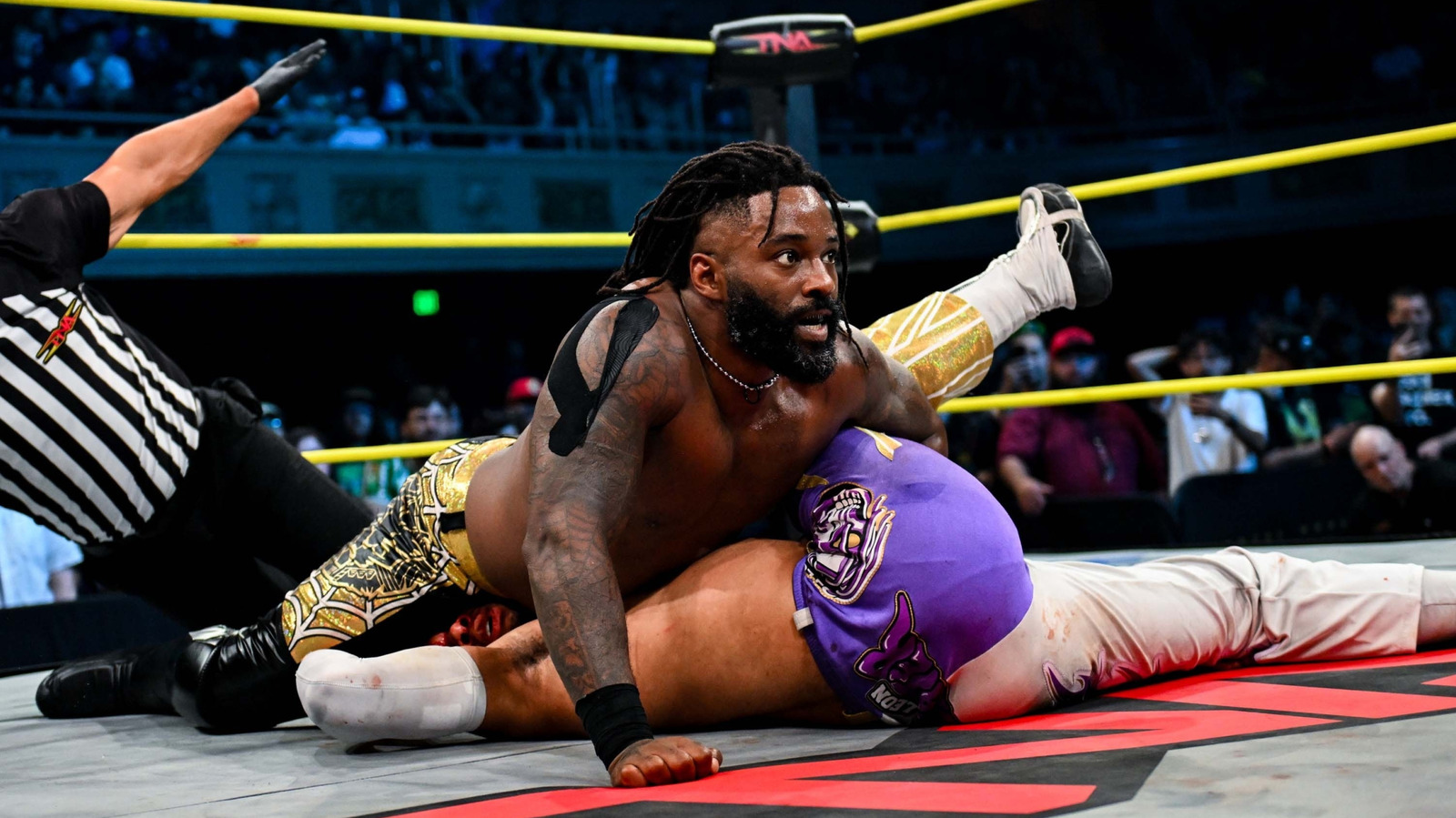
Cedric Alexander is chasing a match that needs to happen
an hour ago
Saraya leaves the AEW chapter in the rearview mirror
an hour ago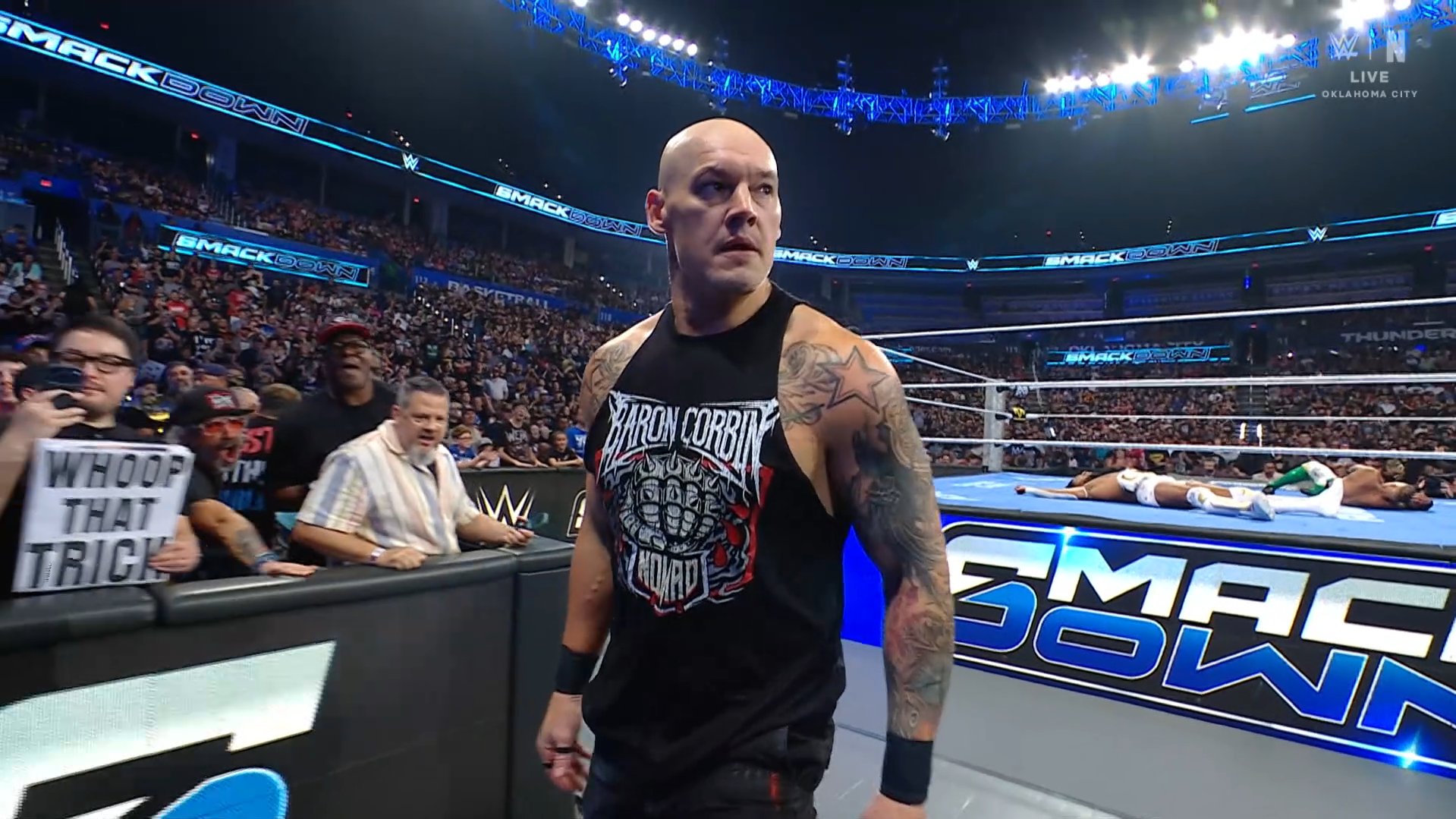
Baron Corbin's MLW pivot marks a strange turn in his career
an hour ago
Nick Aldis stepping into the ring at SummerSlam is a booking disaster
an hour agoMore Analysis
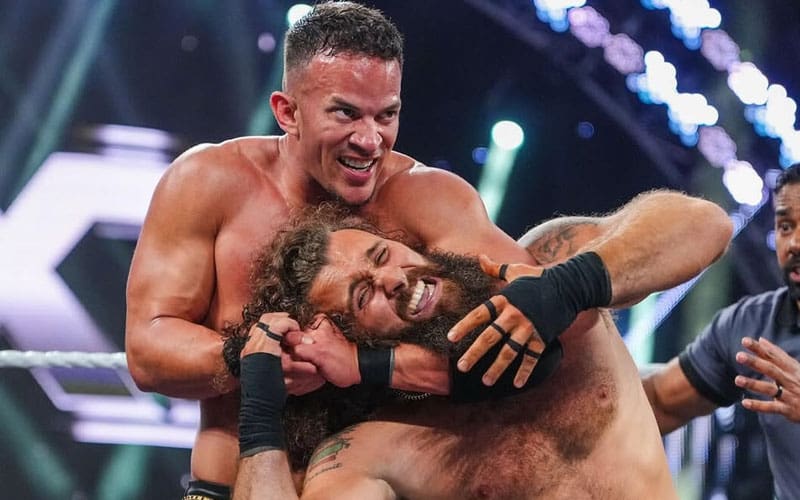
NXT's March 24 disaster demands a tactical reset before WrestleMania week
3 months, 3 weeks agoNXT Revenge is the brand's final hurdle before WrestleMania
3 months ago
NXT momentum is fragile despite the post-Stand & Deliver bump
3 months, 1 week ago
NXT is pacing for a chaotic final stretch before WrestleMania
3 months, 2 weeks agoNXT Stand and Deliver showed why WWE's third brand is hitting a wall
3 months, 2 weeks ago