The power dynamics shifted in Osaka
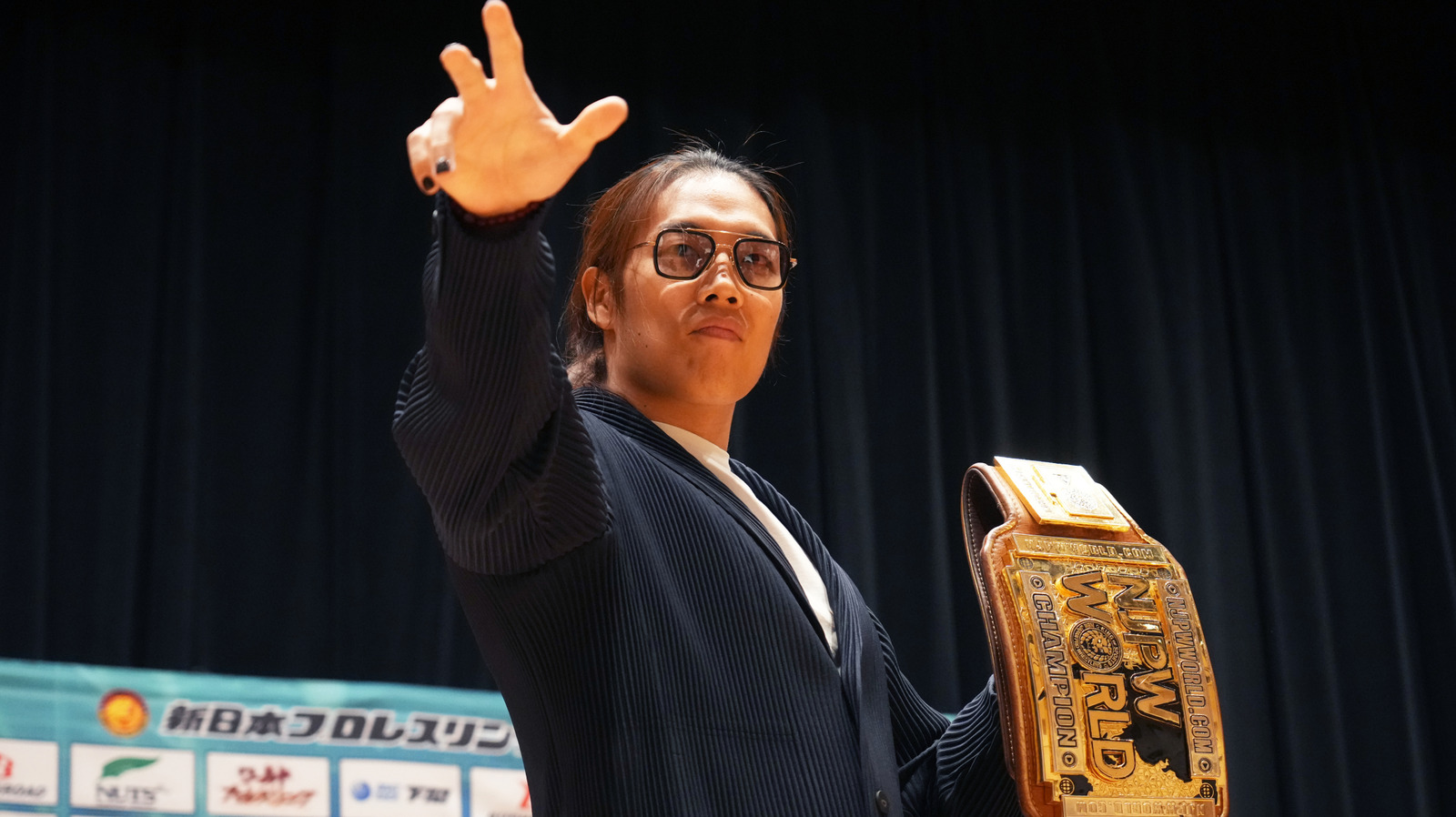
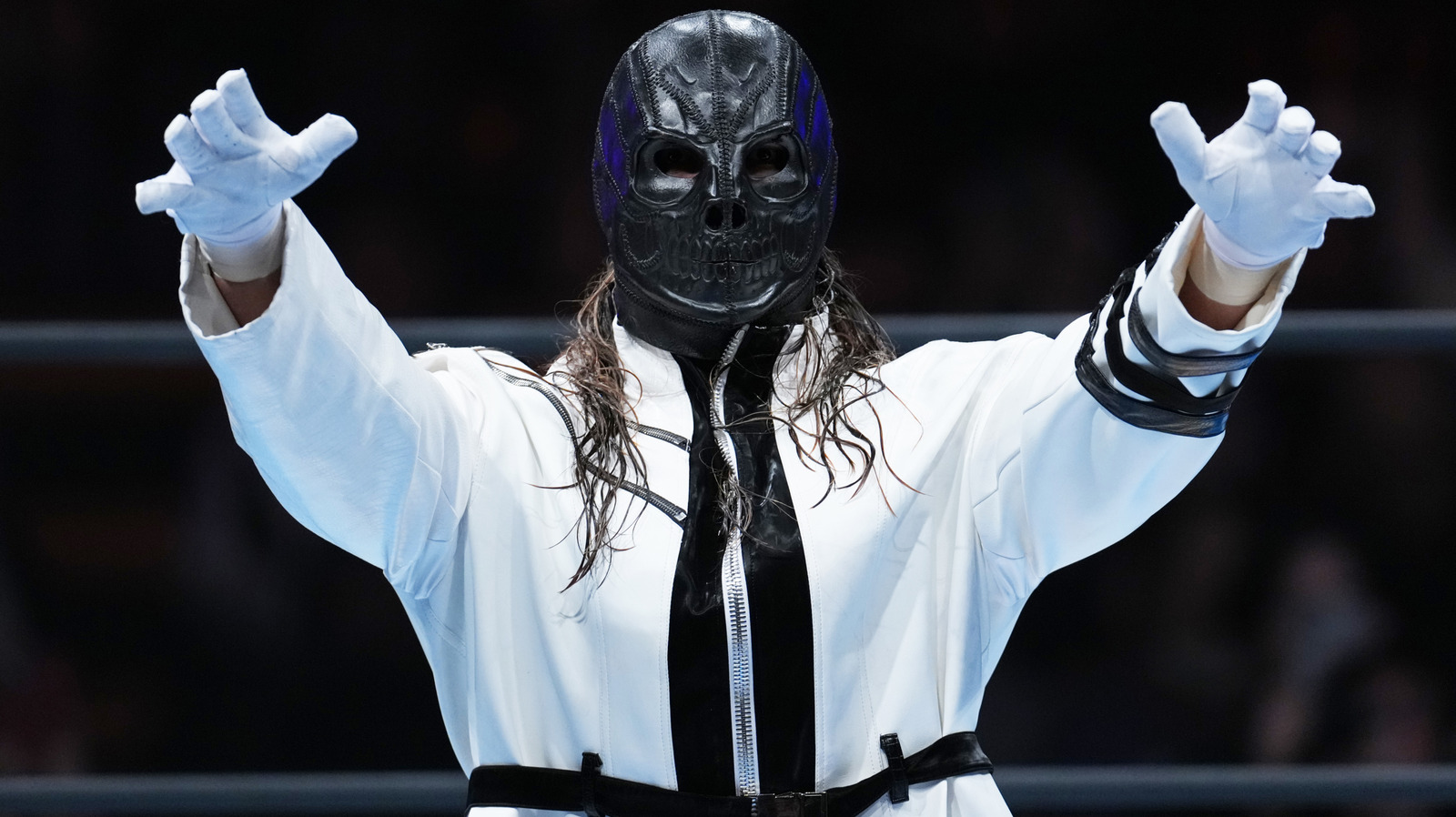
New Japan Pro-Wrestling arrived in Osaka on June 14 with a clear mandate to resolve the stagnation at the top of the card. The Dominion event served as a violent reset button. By the time the main event concluded, the IWGP World Heavyweight Championship had changed hands, signaling a decisive shift in booking philosophy.
We are watching a transition period that exposes the fragility of the previous title regime. The match sequence on June 14 showed a distinct trend toward high-impact striking exchanges over the technical lock-up sequences that defined NJPW in the mid-2010s. This is an adjustment to a roster that is leaner and faster than the heavyweight divisions of five years ago.
The strategic failure of the previous guard
Critics of the championship's recent direction point to the diminishing return of overly long finishing sequences. At Dominion, the championship bout hit a wall of diminishing returns around the 28th minute as both competitors resorted to repetitive kick-outs that drained the audience's investment. It was a clear example of modern booking overindulgence.
There is a recurring issue with pacing in these major title fights. When performers rely on a high-speed sprint to compensate for an lack of consistent limb work, the result is a match that feels frantic rather than intense. The new champion must address this lack of narrative thread in his upcoming defenses or risk losing the momentum generated by the win.
What the new champion must solve
The immediate challenge is maintaining the legitimacy of the belt outside of the Osaka bubble. According to reports via PWInsider, the transition was handled with immediate, decisive physicality. The decision to crown a fresh champion suggests that the office is looking to capitalize on current fan sentiment rather than adherence to a long-term, slow-burn plan.
Watch the post-match press conferences from June 15 for the first hint of the next challenger. If the booking team follows the pattern established at Dominion, expect someone with a distinct ground-and-pound style to step up as a foil to the current champion’s speed. This contrast is necessary to avoid another stagnant title reign.
The verdict for the road ahead
I predict that this title will not stay in the current champion's possession for more than three major events. The booking is too volatile right now to allow for a dominant, year-long reign. The company is actively testing different roster members to see who can generate real ticket growth. My call is that the next major challenger will be someone currently overlooked in the mid-card tag divisions who brings a stiffer, more aggressive persona to the main stage.