A New Lease on Life
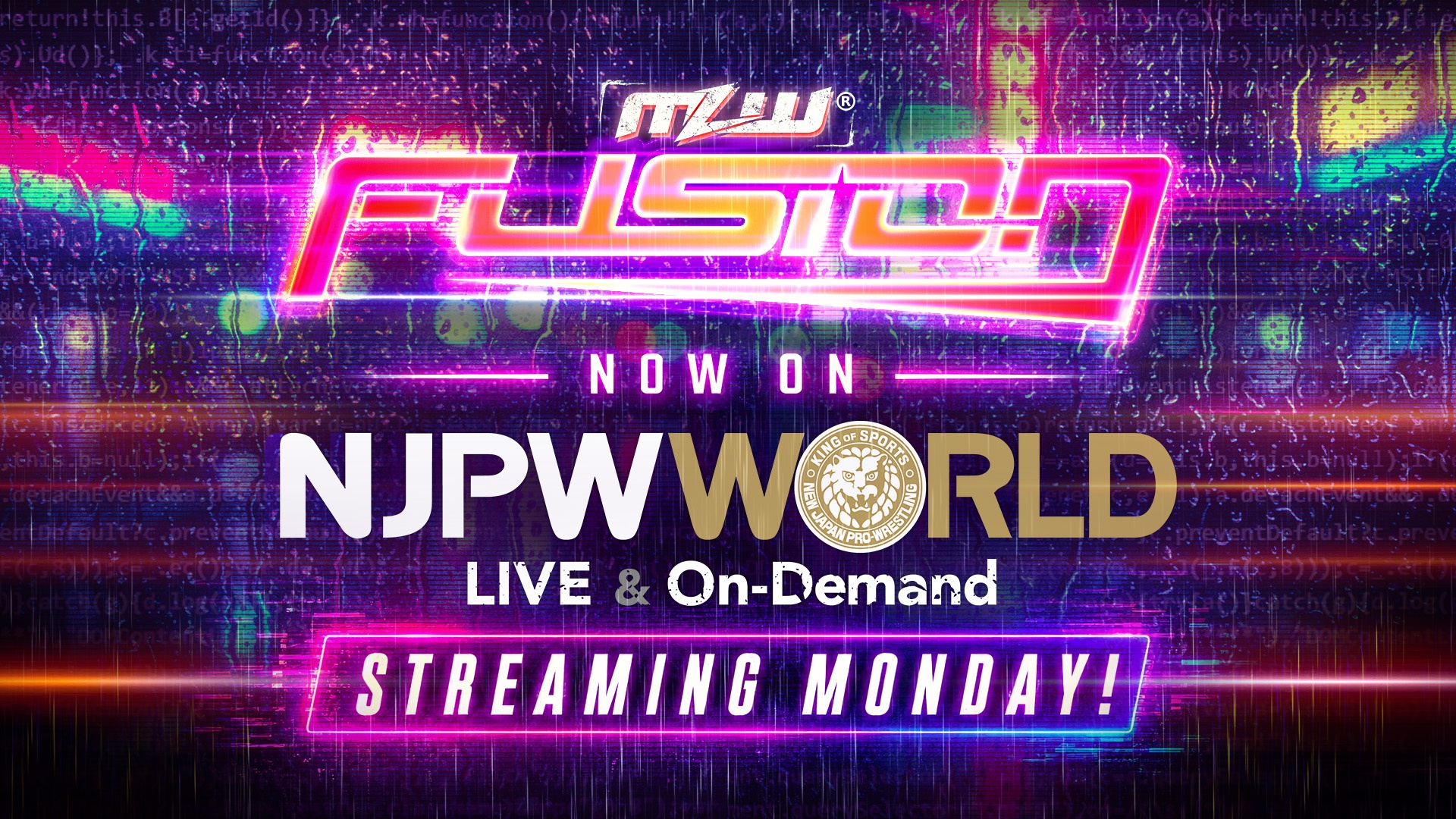
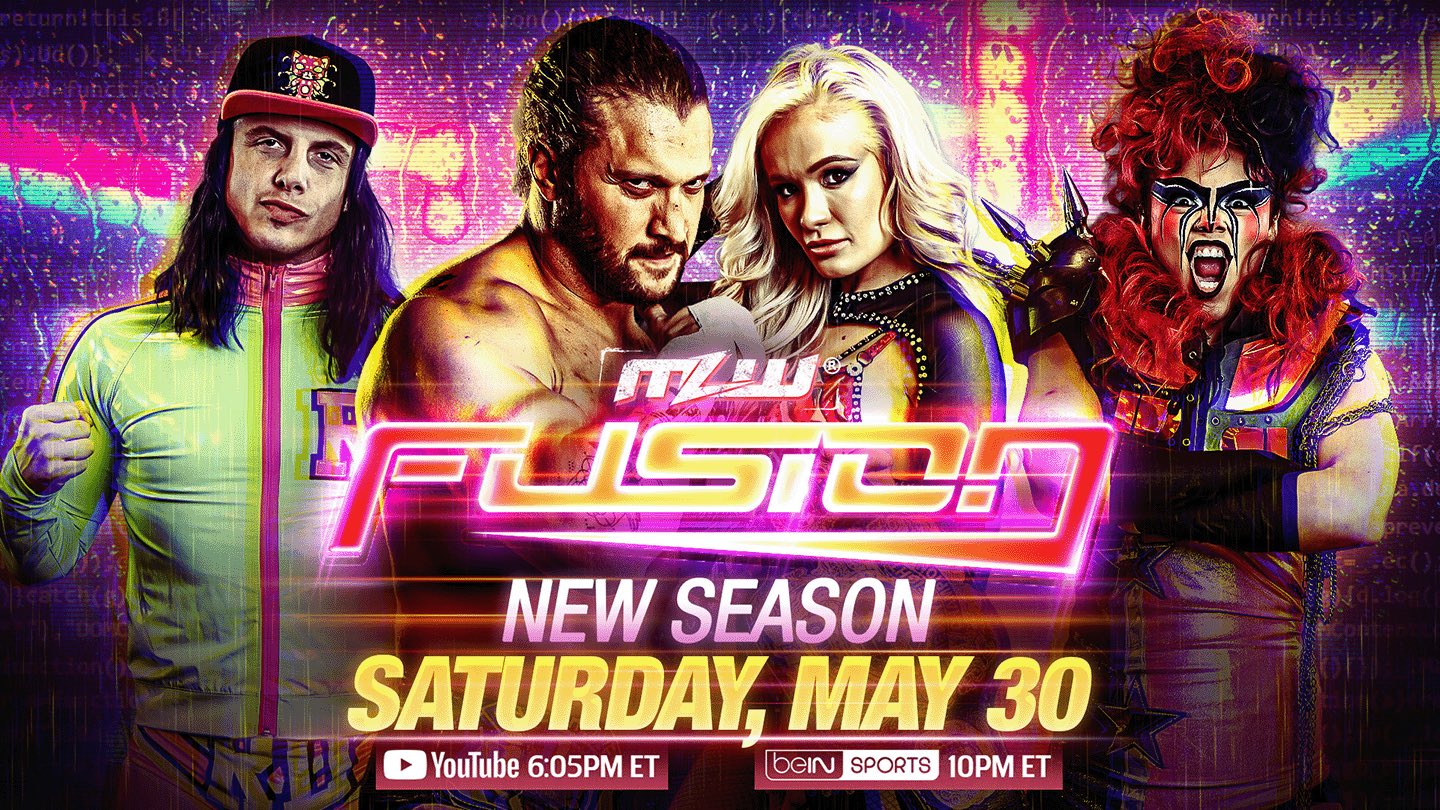
The waiting is over. Court Bauer has finally made his move. Following weeks of quiet industry chatter, Major League Wrestling has secured a dual-broadcast home for its flagship program. Fusion is officially returning to television and digital platforms simultaneously. The target date is locked for Saturday, May 30. That gives fans exactly nine days to prepare for what the promotion hopes is a massive reset.
Bauer is pulling the trigger on a massive two-hour premiere episode. As F4WOnline reported this morning, the show will air on beIN Sports while simultaneously broadcasting completely free on YouTube. But the most interesting detail is the chosen timeslot. The broadcast kicks off at exactly 6:05 PM ET. Wrestling fans know exactly what those numbers mean. It is a direct, calculated homage to the legendary TBS Saturday Night era.
This is not just a scheduling quirk. It is a statement of intent. Bauer was blunt in the press release.
"We’re planting our flag."
That is bold talk. MLW has historically struggled to maintain network consistency. Now, they are attempting to carve out a dedicated weekend ritual for a fanbase that is already drowning in premium wrestling content.
The Trajectory: Bouncing Between Networks
To understand the weight of this broadcast deal, you have to trace MLW’s chaotic corporate history. They are the ultimate survivors of the American independent wrestling scene. They discover generational talent, build them into legitimate main eventers, and then watch them sign massive contracts with WWE or AEW. Their eye for identifying raw potential is unmatched in the modern industry.
Their ability to secure a permanent, reliable television home is another story entirely. MLW has bounced around the cable guide like a journeyman midcard talent looking for a steady payday. They have lived on Vice TV, they have relied on beIN Sports previously, and they survived a bizarre, short-lived flirtation with Reelz that ended abruptly due to conflicting streaming exclusivity rights.
This constant network shuffling creates massive audience fatigue. Viewers simply give up trying to figure out where the show is airing. According to the update from PWInsider, returning to beIN Sports represents a retreat to their most stable, creatively fulfilling era. But the cable channel alone is not enough to survive right now.
The simultaneous YouTube broadcast changes the math entirely. Gatekeeping a niche wrestling product behind an obscure sports tier is corporate suicide. Opening the doors on YouTube removes all friction. It allows a casual fan scrolling through their phone on a Saturday evening to stumble into a brutal Opera Cup tournament match or an aggressive Lucha Libre sprint without needing a premium television package.
The 6:05 Strategy
We need to talk about that start time. 6:05 PM ET is sacred ground for hardcore fans. For decades, it was the exact minute World Championship Wrestling went live on the Turner broadcasting network. It was the hour Dusty Rhodes cut iconic promos. It was the hour the Four Horsemen broke bones and collected checks.
Bauer knows his core demographic intimately. He knows that modern wrestling is dominated by slick, heavily overproduced, tightly scripted prime-time broadcasts. By claiming 6:05 on a Saturday, MLW is declaring their creative identity. They are offering a gritty alternative to the sterile perfection of modern sports entertainment.
Fusion has always leaned heavily into a chaotic, combat-sport presentation. They feature legitimate MMA-hybrid fighters, high-flying Mexican stars, and heavy-hitting brawlers who lay their strikes in stiff. Presenting that specific style in a retro-inspired timeslot is smart booking. It signals to older fans that MLW respects the history of the sport.
However, nostalgia is a remarkably cheap drug. The effects wear off fast. The initial hook of the classic timeslot will get curious eyes on the screen for the highly publicized two-hour premiere detailed by WrestlingNews.co. Keeping those eyes engaged for week two, week three, and week ten requires actual, sustained storytelling.
The Economics of Free Broadcasting
Moving a flagship show to YouTube is a double-edged sword for a company of this size. On one hand, the barrier to entry drops to zero. You do not need to negotiate carriage fees with hostile cable providers. You do not have to worry about preemptions because a college basketball game went into double overtime. The stream is simply there, ready to be consumed on televisions, phones, and tablets globally.
The dark side of this strategy is monetization. YouTube advertising pays fractions of a penny per view. Unless MLW is pulling hundreds of thousands of live concurrent viewers, the ad revenue will barely cover the catering budget for a weekend taping, let alone the talent payroll. This means the broadcast itself is a loss leader. The actual goal is to drive fans toward live event ticket sales and premium merchandise.
This is where the beIN Sports element of the deal provides a safety net. While the network’s reach in the United States is frequently mocked for being virtually invisible in major markets, they do pay an actual rights fee. They need content to fill hours. MLW provides cheap, reliable programming that occasionally spikes in the ratings. It is a mutually beneficial relationship, but it lacks the ceiling of a major network deal.
The Critical Flaw
This brings us to the harsh, undeniable reality of MLW’s historical business model. This dual-broadcast deal looks fantastic on paper. A massive Saturday premiere sounds like a game-changer. But we have seen this movie before, and the ending usually disappoints.
MLW frequently falls into the lethal trap of aggressive batch-taping. To save money on production costs, they will rent a venue in Philadelphia or New York and tape three or four months of television in a single marathon night. The results are often disastrous for the final television product.
By hour four of a relentless taping schedule, the live crowd is completely exhausted. They sit quietly. They check their phones. They stop reacting to near-falls. Dead silence from an arena translates terribly to television broadcasts. It makes the matches feel unimportant.
Furthermore, in the modern era of wrestling media, spoilers leak to the internet instantly. If a major world title change happens in a dark arena in March but does not air until late May, all the heat evaporates. If Bauer plans to use this beIN Sports and YouTube deal simply to broadcast stale, pre-taped matches from two months ago, this entire network return will fail spectacularly.
Another persistent issue is roster turnover. Because MLW relies on independent contractors, a wrestler who is heavily featured in a storyline on the May 30 premiere might sign an exclusive contract with a rival promotion by June 15. Fans have been burned before by investing emotionally in an MLW blood feud, only for the storyline to be abruptly dropped because one of the participants took a better offer elsewhere. Stability behind the scenes is just as important as stability on the television dial.
Probability and Expected Impact
Let us assess the final reality of this move. The probability of this deal executing is absolute. The contracts are signed. The May 30 premiere date is set in stone. The combination of beIN Sports for linear cable legitimacy and YouTube for global digital accessibility is a sharp, necessary compromise for a promotion operating outside the billionaire class.
This move forces the rest of the independent wrestling tier to pay close attention. Promotions like TNA, GCW, and NWA are fighting desperately for the exact same scraps of audience attention and advertiser revenue. If MLW can deliver a compelling, fast-paced two-hour premiere that feels immediate and dangerous, they instantly reclaim their spot as a major player in North America.
The pressure is entirely on the booking committee now. They have secured the time slot. They have locked down the broadcasting platforms. They have a roster full of hungry, violent talent ready to break out. They just need to avoid tripping over their own historical bad habits. Saturday nights are about to get interesting again. The ball is strictly in Court Bauer's court.