The road through Philly isn't just nostalgia
Major League Wrestling is back at the 2300 Arena for their Summer of Beasts event. If you know anything about the history of professional wrestling, you know that building carries the kind of baggage that can either lift a show to legendary status or crush it under the weight of expectations. MLW isnt just running a show; they are testing if they can still pack that specific house in a post-ECW world.
The NYC tapings earlier this week were a mixed bag of technical wrestling and experimental booking that felt like a trial run. When management decides to run NYC and then immediately turn around to hit Philadelphia for Summer of Beasts, they are asking a lot from their core fan base. It is a grueling pace that tests the stamina of the roster more than the viewers.
The inconsistency of the Fusion cycle
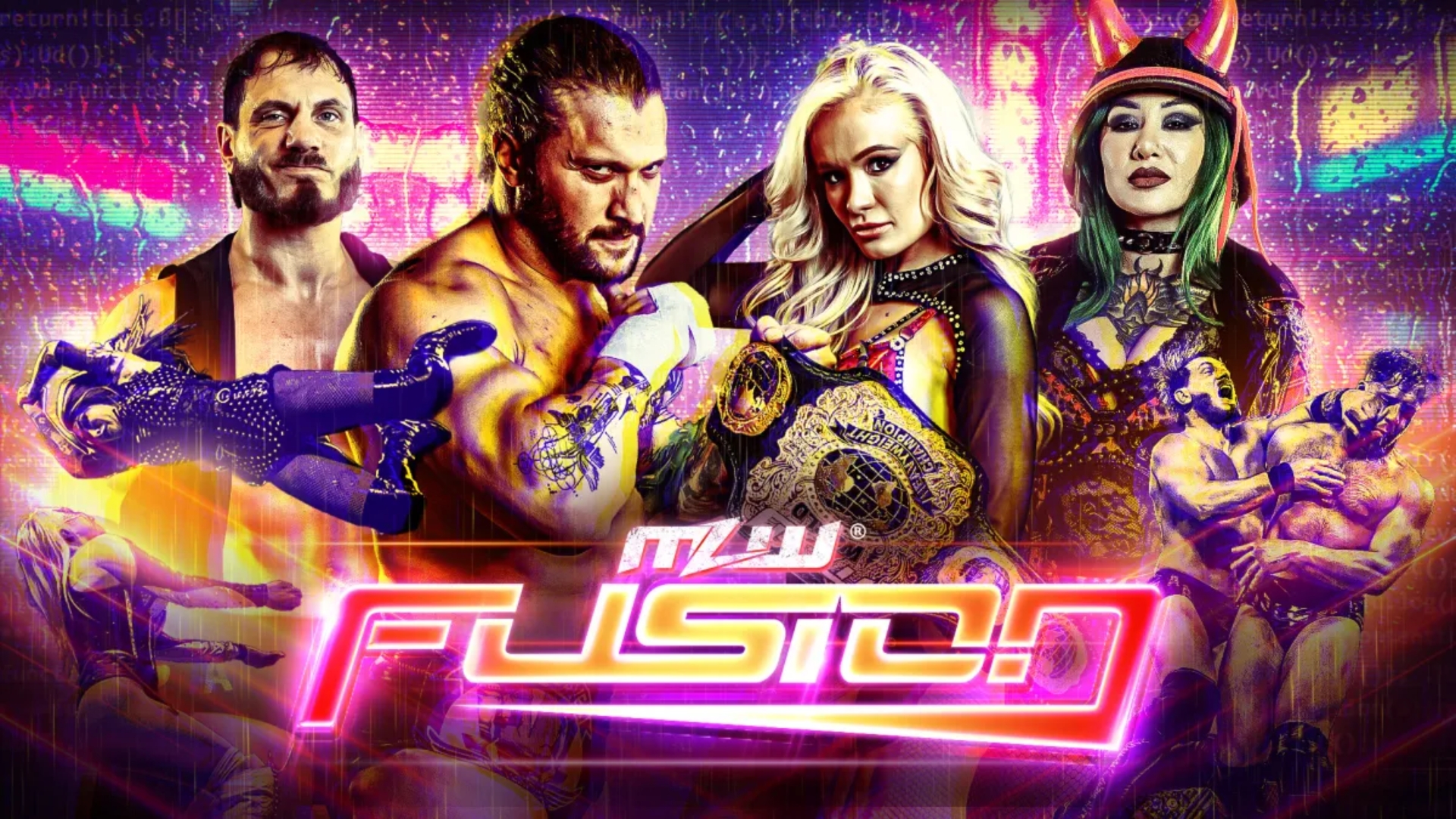
Watching the Fusion TV tapings, you get the sense that MLW is trying to rebrand its identity on the fly. Some of the matches looked crisp, utilizing high-velocity offense to keep the crowd engaged, but the transition between segments felt clunky. Sticking a bunch of matches together for a television taping is standard procedure, yet these sets lacked the narrative connective tissue that makes a promotion feel essential.
The talent is clearly working hard, but there is a disconnect between the work in the ring and the overarching promotion. You can have the most sound mat transitions in the world, but if the audience doesn't understand the stakes beyond "this guy wants to beat that guy up," you lose them by the second commercial break. They need to stop relying on the aesthetic of the 90s and actually build a product that lives in 2026.
Philly has a high bar for excellence
Running the 2300 Arena comes with a specific tax: the crowd is notoriously unforgiving. If a performer doesn't bring their absolute best, the Philly faithful will let them know immediately. We saw this at the last Philly taping, where certain spots felt telegraphed rather than explosive. It felt like walking through a museum of better wrestling shows rather than experiencing a new iteration of it.
Booking these venues is a bold move if you aren't prepared to match the pedigree of the legends who bled in that same ring twenty years ago. The current iteration of MLW brings a certain level of grittiness, but it lacks the visceral danger that fans associate with this specific building. If they fall flat tonight, it won't just be a bad show; it will be a PR disaster that proves they are punching above their weight.
The booking needs an adrenaline shot
The biggest issue remains the pacing of the card. A wrestling show should be a rollercoaster, not a slow elevator ride to the middle of the bracket. When you have top-tier athletes at your disposal, letting them meander through a fifteen-minute draw without a compelling reason is offensive to anyone who paid for a ticket. They have all the pieces—the athleticism, the venue, and the legacy—to be a top-tier alternative.
Instead, they often play it safe. Safe doesn't sell t-shirts in the 2300 Arena. Safe doesn't garner social media buzz. They need to cut the fluff, tighten up the promos, and focus on the main event picture with 100% intensity. If Summer of Beasts is just another iteration of their standard TV format rather than a marquee event, they are going to find themselves losing the most loyal segment of their audience.