
Mick Foley isn't interested in your political campaign, and that's for the best

Why the Hardcore Legend is staying far away from the ballot box
For two decades, wrestling fans and political organizers have looked at Mick Foley and seen a candidate. He is articulate, genuinely beloved across the aisle, and has spent more time on the road listening to Americans than almost any sitting senator. He can walk into a VFW hall or a comic book convention and command the room with nothing but a flannel shirt and a story about a missing ear. It seems like the perfect recipe for a populist run in an era where the line between entertainment and governance has all but vanished.
But Foley is slamming the door shut. In a recent appearance on the Independent Americans podcast, the WWE Hall of Famer made it clear that while he loves the advocacy, he has no interest in the actual job. He pointed to his own perceived weaknesses as the primary reason for his refusal. It is a rare moment of self-awareness for a public figure who has been urged to run for office since the mid-2000s.
“No. No… part of the reason Brian Blair and I make a good team… is because, you know, I go out there and I help raise the money… but I don't have an organizational bone in my body.”
As Ringside News reported, Foley’s partnership with former Killer Bee Brian Blair at the Cauliflower Alley Club is the blueprint for his public life. Foley is the face, the fundraiser, and the storyteller. Blair is the one who makes sure the lights stay on and the checks clear. Foley knows that being a senator or a governor requires a level of administrative discipline that simply doesn't exist in the world of three-faces-of-Foley. He’d rather be the guy raising money for RAINN than the guy arguing over zoning laws in a subcommittee meeting.
The wrestling-to-politics pipeline has plenty of traffic already
Foley’s refusal stands in stark contrast to many of his peers. We have seen Jesse 'The Body' Ventura shock the world in 1998 by winning the governorship of Minnesota. We have seen Glenn Jacobs, known to fans as Kane, settle into a long-term role as the Mayor of Knox County, Tennessee. Even Linda McMahon parlayed her time as the CEO of WWE into a cabinet-level position. The path is well-worn and, for a man with Foley's name recognition, it would be relatively easy to start.
But those who know Foley’s history understand why he’s hesitant. This is a man who famously lost his front teeth and a chunk of his ear for the sake of a story. He is a perfectionist when it comes to the emotional arc of a match, but he has always been open about his personal disorganization. His legendary 1999 autobiography, Have a Nice Day!, was written entirely by hand on legal pads because he didn't want to use a computer. That kind of analog spirit doesn't exactly mesh with the data-driven, high-speed world of modern political campaigning.
Foley has always been a political animal, though. He was a frequent guest on Politically Incorrect with Bill Maher during the Attitude Era. He has campaigned for Democrats like Al Franken and endorsed candidates with a fervor that often alienated a segment of his wrestling fanbase. Yet, there is a massive difference between being a vocal advocate and being a legislator. Foley seems to realize that his power lies in his ability to be a 'Goodwill Ambassador' rather than a partisan hack bound by party lines.
The reality of the Hardcore Legend’s temperament
When you look back at the most famous moments of Foley's career, they are defined by chaos. The fall off the cell in 1998 wasn't a calculated political maneuver; it was a desperate, heat-of-the-moment decision to give the fans something they would never forget. Politics, at its most effective, is the opposite of that. It is slow, grinding, and often painfully boring. Foley is a man who thrives on the 15-minute high of a live crowd reaction. The four-year grind of a legislative term would likely be a soul-crushing experience for someone who values immediate human connection above all else.
There is also the matter of his physical health. Foley has been open about the toll his career took on his body and his mind. At 60 years old, he is finally in a place where he can enjoy his legacy without having to take a powerbomb on concrete. A political run would subject him to the kind of scrutiny and stress that even a 20-foot drop into an announce table couldn't prepare him for. He’s earned the right to sit in his Christmas-themed room and write children’s books instead of answering for every tweet or endorsement he’s made over the last twenty years.
The critical view here is that Foley’s refusal is also a bit of a missed opportunity for the progressive wing of the wrestling world. While the industry has plenty of conservative voices in office, there are few who can match Foley’s reach on the other side. By staying out, he leaves a vacuum that others, perhaps less sincere, might fill. Some fans find his constant political commentary on social media to be exhausting precisely because he won't actually do the work of running. If you're going to spend every Tuesday tweeting about the state of the union, there’s an argument to be made that you should be willing to help fix it.
A legacy built on charity, not legislation
Instead of the ballot box, Foley has chosen the donation box. His work with RAINN (Rape, Abuse & Incest National Network) is legendary in the non-profit world. He didn't just lend his name; he spent hours on the phones as a volunteer and donated hundreds of thousands of dollars. He has visited troops in Iraq and Afghanistan more times than many career politicians. This is where Foley finds his purpose. He doesn't need a title to be a leader; he just needs a platform and a willing audience.
His work with Brian Blair at the Cauliflower Alley Club is another example of this 'support-over-status' mentality. The CAC provides financial assistance to retired wrestlers who have fallen on hard times. It is a thankless, often depressing job that requires dealing with the harsh reality of a business that eats its young. Foley takes the lead on the fundraising dinners, using his charm to get people to open their wallets. But when it comes to the 80-page tax filings and the logistical nightmares of running a 501(c)(3), he happily hands the pen to Blair.
“What did I tell you? I don't have an organizational bone in my body.”
This repetition isn't just a joke; it’s a shield. By leaning into his own flightiness, Foley protects himself from the pressure to be something he isn't. He watched what happened to his friend Jesse Ventura, whose term as governor was marked by constant battles with the press and a feeling of isolation from the political establishment. Foley knows he doesn't have the thick skin required to be called a liar every day on cable news. He is a man who genuinely wants to be liked, and in politics, being liked by everyone is an impossible goal.
The future of the Foley brand
As we move further into the 2020s, Foley’s role in the wrestling world is changing. He is no longer the guy taking the bumps; he is the elder statesman. His recent 'Final Match' teases and then subsequent cancellations show a man who is still grappling with his own mortality and his desire to stay relevant. But through it all, his commitment to his values has stayed consistent. He doesn't need to be Senator Foley to be the most influential person in the room. He just needs to be Mick.
The wrestling world is full of people who think they can solve the world's problems if they just had the right theme music and a microphone. Foley is smart enough to know that's a fantasy. He’s seen the inside of the machine and decided he’d rather stay on the outside, throwing rocks or handing out sandwiches, depending on what the day requires. It’s a decision that preserves his sanity and his legacy, even if it leaves some of his most ardent supporters wondering 'what if?'
- Foley's first major political endorsement was for Bill Bradley in the 2000 Democratic primary.
- He has raised over $1 million for various charities through his 'Saints and Sinners' tours.
- His partnership with Brian Blair has helped over 500 retired wrestlers since 2015.
- Foley remains one of the few wrestlers to have a successful New York Times #1 bestseller.
- He famously participated in the 'Smackdown Your Vote' campaign in 2004.
Ultimately, Mick Foley's legacy won't be written in the Congressional Record. It will be found in the stories of the people he helped and the fans he inspired. He’s a man who understands his own limits, which is perhaps the most 'presidential' quality a person can have. While the world of politics continues to get more hardcore by the day, the original Hardcore Legend is happy to stay in the cheap seats, watching the carnage from a safe distance. And honestly, we should all be glad he is.
His refusal to run is a victory for authenticity over ambition. In a world where everyone is trying to 'brand' themselves into a higher tax bracket or a more powerful office, Foley is content to just be the guy in the Santa suit. He knows that his 1998 fall from the cell gave him a voice that people trust. He’s not about to risk that trust for a four-year term and a parking spot at the state capitol. He’s Mick Foley, and that’s more than enough for him, and it should be more than enough for us too.
The decision was made long ago, as he mentioned on the Independent Americans podcast. It wasn't a sudden realization, but a slow understanding of where he fits in the world. He’s a storyteller, not a policy-maker. He’s a fundraiser, not a budget-balancer. And while some might call it a cop-out, most of us see it for what it really is: a legend who knows exactly when to walk away from the ring, even if that ring is a political one.
WWE Authentic Scale Ring - Playset for 6-inch Action Figures
The ultimate stage to display your favorite wrestling figures.
Frequently Asked Questions
Why has Mick Foley decided against running for political office?
What role does Mick Foley prefer in his public life?
How does Mick Foley describe his professional partnership with Brian Blair?
Which other professional wrestlers have pursued careers in politics?
Why does Foley feel his personal habits are unsuited for modern politics?
More Coverage
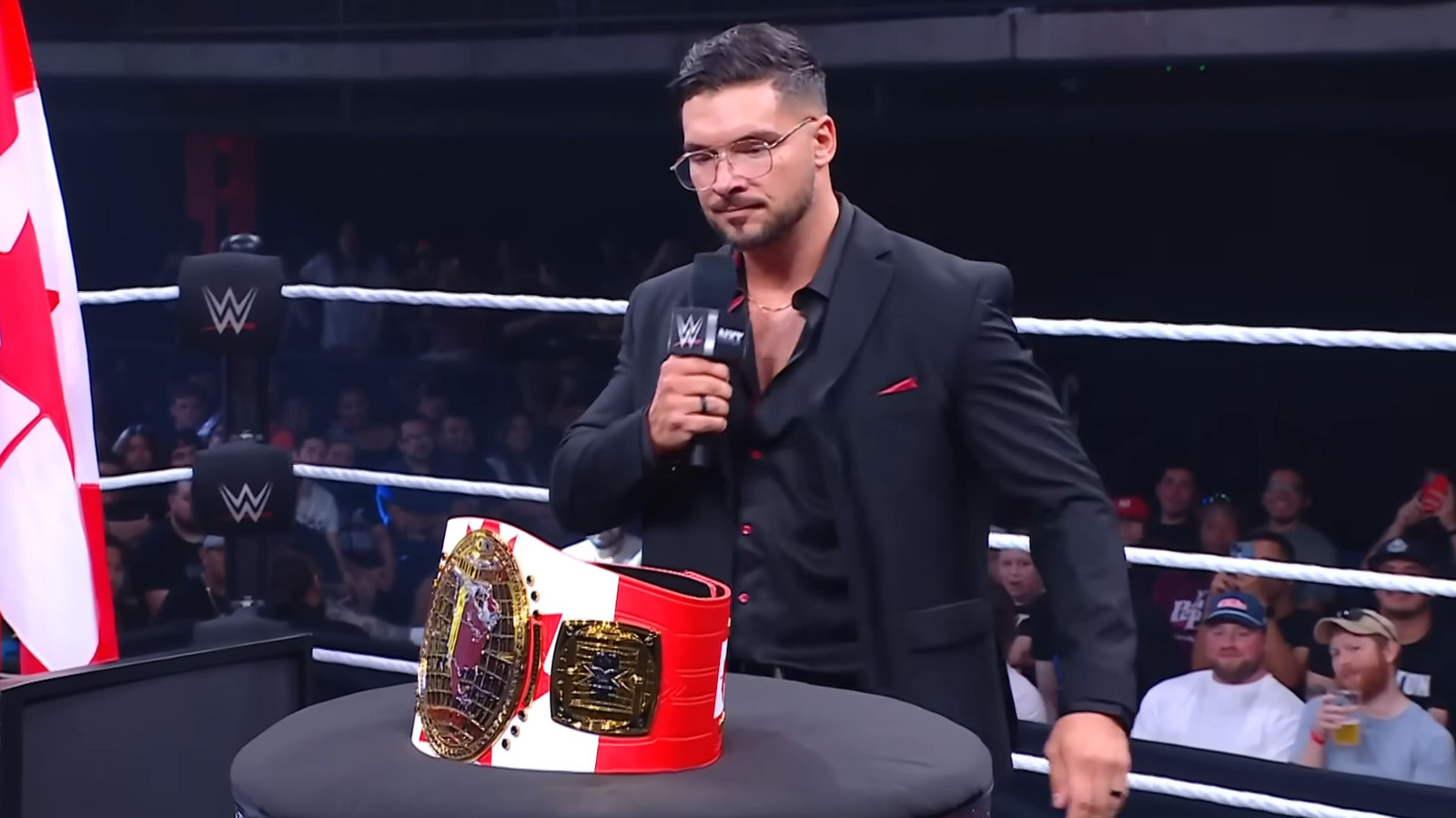
Ethan Page is playing a dangerous game with his ego in NXT
3 minutes ago
Ethan Page says his custom NXT title was the real top prize and fans are split
3 minutes agoGear Check: Sorting the Must-Haves from the Merch Table Filler
an hour ago
Why CM Punk vs Cody Rhodes is a game of psychological chicken
an hour ago
Bayley finds herself at a career-defining crossroads
2 hours ago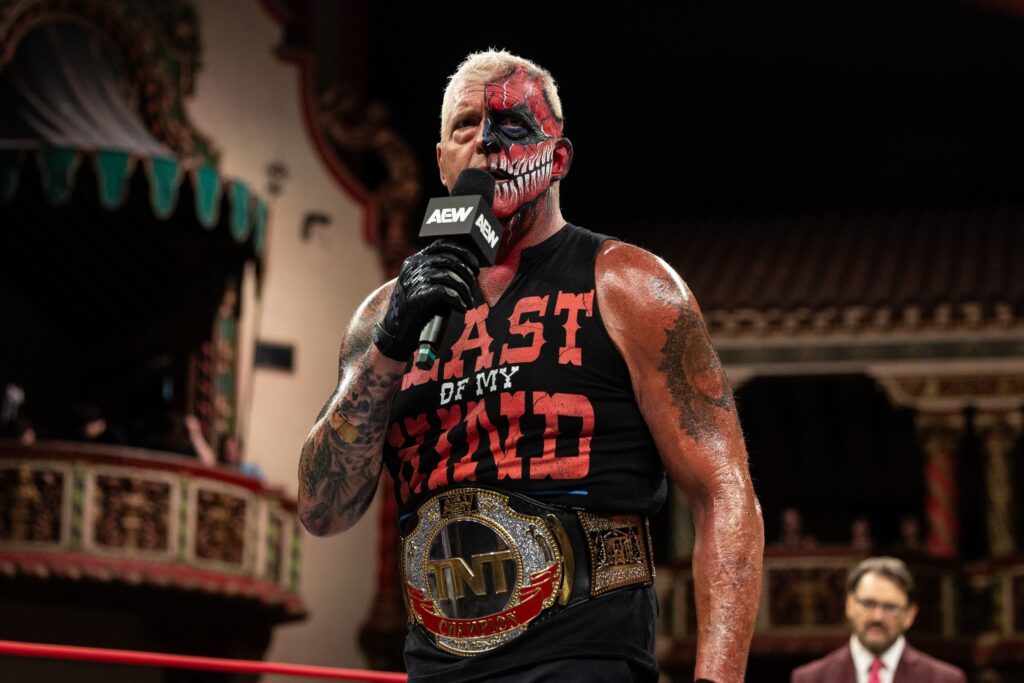
Dustin Rhodes is waiting for his final act
2 hours agoMore Match Reports

Mick Foley is trading the hardcore ring for a different kind of fight
3 months, 4 weeks ago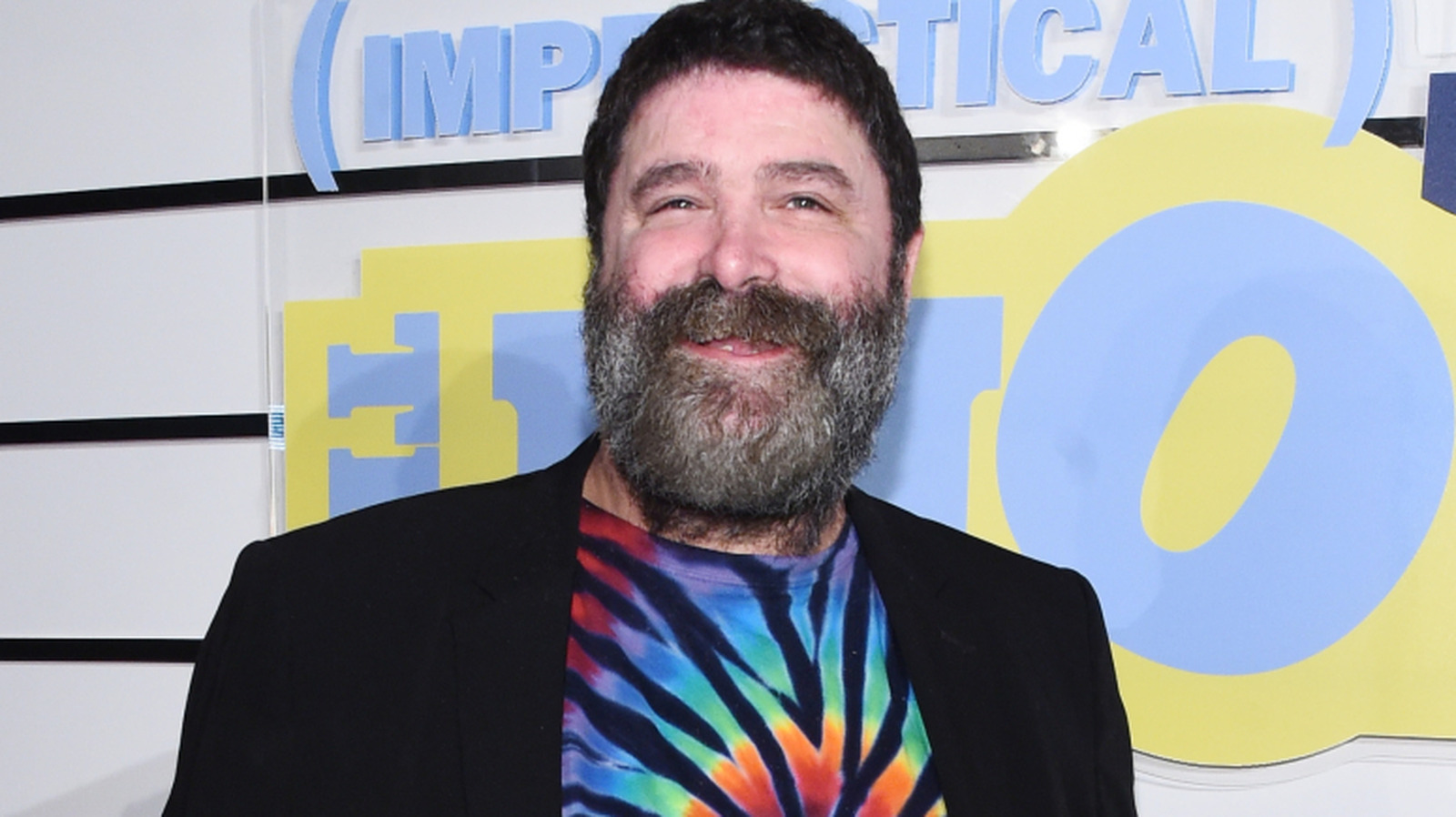
Mick Foley in AEW is a disaster waiting to happen
1 month, 2 weeks agoMick Foley ditched his WWE money and the internet is losing its mind
2 weeks, 4 days ago
Mick Foley ditching Forbidden Door for a gig is the most Mick Foley thing ever
3 weeks, 5 days ago
Mick Foley's AEW run should not include a single match
1 month, 3 weeks ago