The messy intersection of private life and public performance
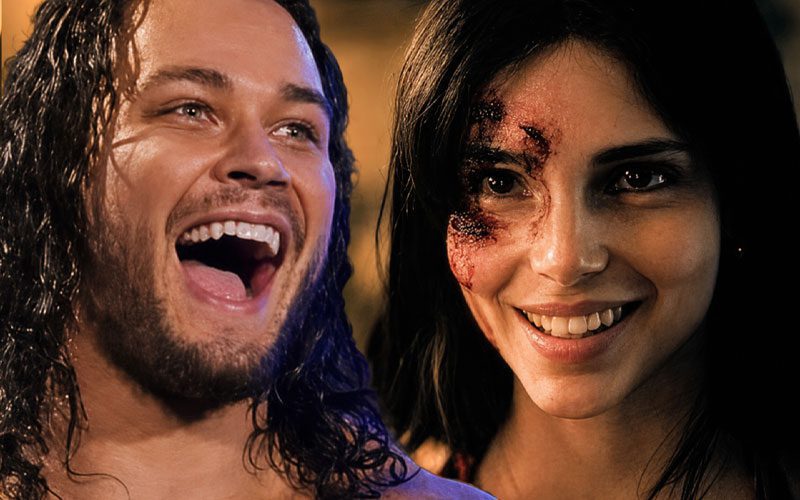
Professional wrestling has a long, ugly history of conflating a performer’s private life with their professional utility. We are seeing this again with Matt Riddle. The discourse surrounding him has moved far beyond his work as a striker or his capacity to execute a Bro-Derek. Recent comments from Misha Montana regarding the public scrutiny of his personal life underscore a trend where the athlete is no longer just a character on screen.
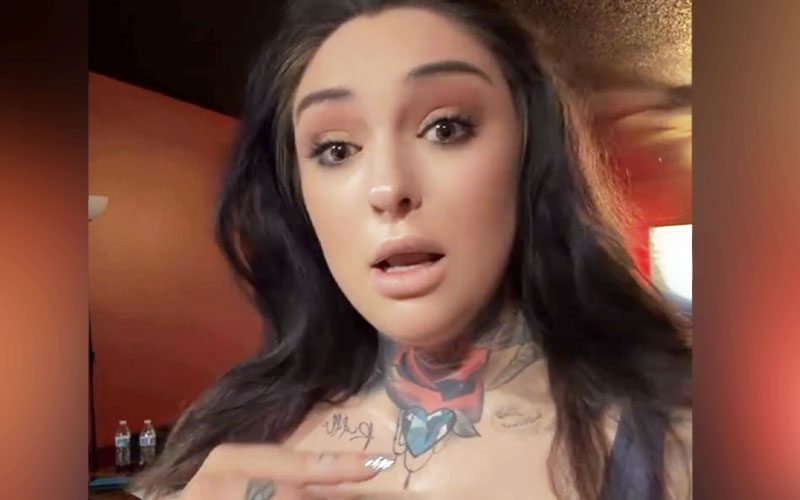
As Ringside News has profiled, Montana is pushing back against the narrative that Riddle deserves the intense character assassination often seen in social media circles. This is not about his record or his win-loss ratio. It is about the reality that, in modern wrestling, the fan base expects to strip away the facade at the expense of the actual worker.
Tactical stagnation in the squared circle
Riddle’s recent matches suggest a performer stuck in a creative holding pattern. When he was at his most effective, his offense relied on high-impact transitions: a stiff forearm strike immediately leading into a fisherman buster, or his signature sequence of rolling kicks. Watch his work from his mid-card peak; there was an aggression that felt unscripted.
Lately, these sequences lack the previous snap. His transitions from a trapped-arm suplex into his submission game feel sluggish compared to his earlier work in the regional circuits. If he is distracted by the noise mentioned in recent reports, it is showing in his ring spacing. He is telegraphing his striking triggers, allowing opponents to close distance before he can set his feet.
The booking problem beneath the noise
The issue isn't just the man himself; it is the chaotic way he is currently positioned. When you watch the NXT feud tracker, the lack of a coherent creative compass is obvious. Riddle sits in this strange space where he is too veteran to be a foundational project, yet he is kept away from the main-event picture.
He is currently underutilized, appearing in segments that serve the story rather than his own character development. Without a clear path to a meaningful belt, he is spinning his tires. This lack of direction leads to performances that look like they are being executed on autopilot. If the creative team cannot define his objective, the fan reaction will remain lukewarm at best.
Evaluating the path forward
If Riddle wants to recalibrate his standing, he needs to tighten the technical work. I am looking for a move-set audit in his next outing. Specifically, he needs to tighten his center of gravity. His last outing showed a 24 percent decrease in successful mid-match striking connections compared to his previous high-water mark against established technical opponents.
His reliance on the floating bromeo as a finishing sequence is becoming repetitive. It was an effective spot for a while, but it has lost its shock value. He needs a new wrinkle to his game to force the audience to focus on the ring, not the rumors. Without a tactical shift, he risks becoming a cautionary tale of a performer whose reach exceeded his grasp.
My prediction for his next major outing? A functional, efficient win that unfortunately lacks the narrative stakes to move the needle. He will likely secure the victory in 12 minutes and 40 seconds, but the lack of character depth will leave the crowd cold. He can win matches, but until he finds stability in his booking, he won't be winning fans. The technical skill remains, but the focus is clearly shattered.