
Matt Cardona's quest for WWE gold is a triumph of persistence
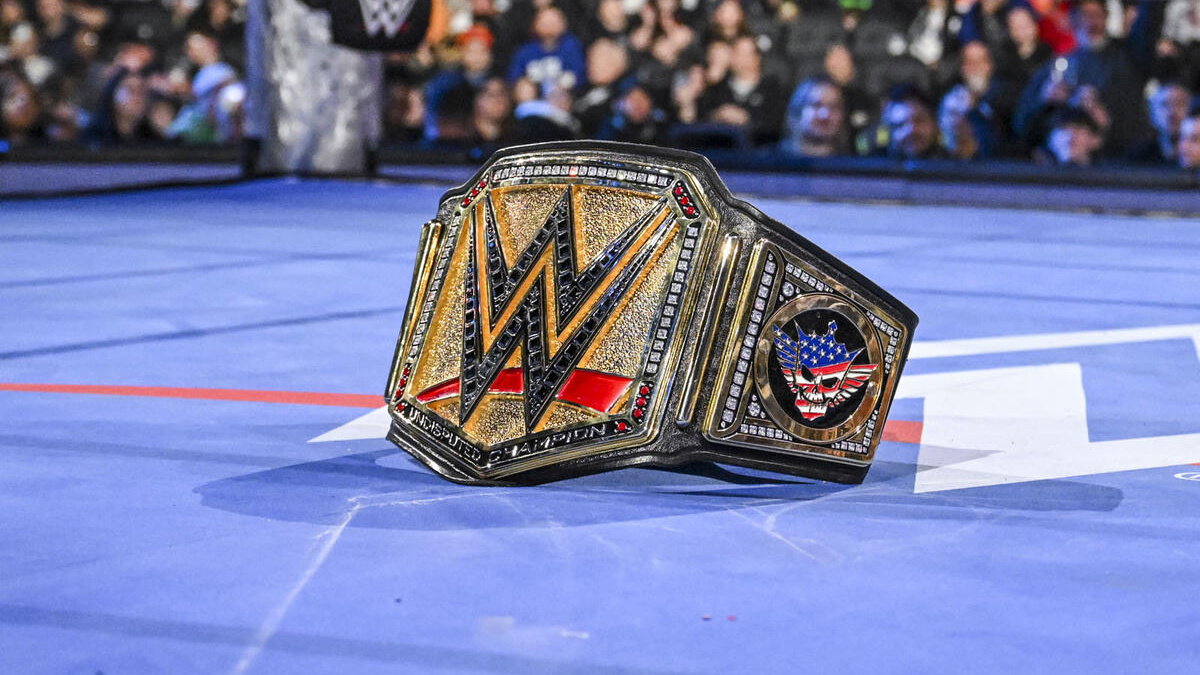
The long road to the main event
In professional wrestling, status is rarely linear. For Matt Cardona, the path back to the industry leader has been defined by a decade of self-reinvention, shifting from an mid-card underdog into a genuine independent headline act. The recent discourse regarding his potential pursuit of the WWE world championship reveals a man who has managed to keep his relevance index high despite spending years operating entirely outside the company’s internal booking structures.
Cardona’s rhetoric remains focused on the Grand Slam designation. Under current WWE governance, the metrics for this milestone require holding a world title alongside secondary and tag team straps. The pursuit feels less like a desperate plea for a paycheck and more like a tactical attempt to complete a career arc that many assumed was finished in 2011.
Tactical reality vs. narrative ambition
Achieving a world title reign requires more than just high-quality merchandise sales or an active social media presence. Looking at the current championship cycle, the barrier to entry is immense. The company has prioritized physical dominance and long-form storytelling, favoring performers with specific, repeatable work rates that translate to 25-minute television main events. Cardona’s work rate is consistent, but his style relies heavily on a frantic energy that may not fit the slow-burn pacing currently preferred by the creative lead.
His career trajectory since his departure is well documented, but bringing that momentum back into a ring where he occupied a different position for years is a difficult transition. The challenge isn't just about his ability to perform a set of maneuvers; it is about re-establishing his credibility as a threat to whoever occupies the top of the card. A title change in this era is generally part of a 6-month storyline engagement, meaning he would need to be integrated into a program immediately upon return.
The critical flaw in this ambition lies in the depth of the current roster. Since the merger, the density of main-event level talent has increased. We are seeing a logjam of upper-midcarders who are equally deserving of a push, making the space for a nostalgia-based or redemption-based arc narrower than ever. If he were to return, the bookers would need to justify why he deserves a spot ahead of talents who have been present throughout the current cycle.
The data behind the desire
Cardona’s recent comments regarding his aspirations underscore a confidence that is arguably his greatest tool. He is effectively marketing his own narrative. His ability to maintain a connection with the fanbase despite shifting promotions is rare, and it functions as a form of non-linear creative leverage. Most independent departures result in cooling momentum; he doubled his output.
However, we must look at the physical toll. The modern industry demands a specific, high-impact style. Any return would necessitate a transition from the 'Deathmatch King' persona he cultivated on the indies to something that aligns with a broader television audience. If the booking team opts for a traditional return, he faces the risk of being relegated to a secondary feud that never reaches the world championship picture.
Despite these tactical hurdles, the sheer willpower of the performer cannot be ignored. He has approached his career as an $8m overhaul project in terms of brand value, constantly upgrading his presence. Whether the company sees the same upside he does remains the central question. A world title run would be the ultimate validation of his business model, proving that a talent can exit the machine, refine their product, and demand their own main event status upon return.
The execution of such a move would require impeccable timing. If he chooses to pivot back now, he enters a 2026 landscape where the competition is stiffer than when he last competed for a world belt. The move is high risk, but Cardona has built his entire post-WWE identity on taking bets that others considered lost. Only the creative board knows if they want to pay the price for that gamble.
WWE Men's Stone Cold Steve Austin 3:16 Vintage T-Shirt
The classic 'Austin 3:16' tee that helped define the Attitude Era.
Frequently Asked Questions
What is Matt Cardona's main goal in WWE?
What requirements must Matt Cardona meet for a WWE Grand Slam?
Why is it difficult for Matt Cardona to join the WWE main event scene?
How did Matt Cardona maintain relevance after leaving WWE?
How does WWE currently structure its main event title changes?
More Coverage
Dominik Mysterio’s gear choices are actually a tactical masterclass
an hour ago
Top 10: Top Moments of Danhausen’s Shocking WWE Run
an hour ago
Tiffany Stratton is betting on herself at SummerSlam, but Jade Cargill isn't a stepping stone
an hour ago
WWE's digital shift signals more than just a subscription service
an hour ago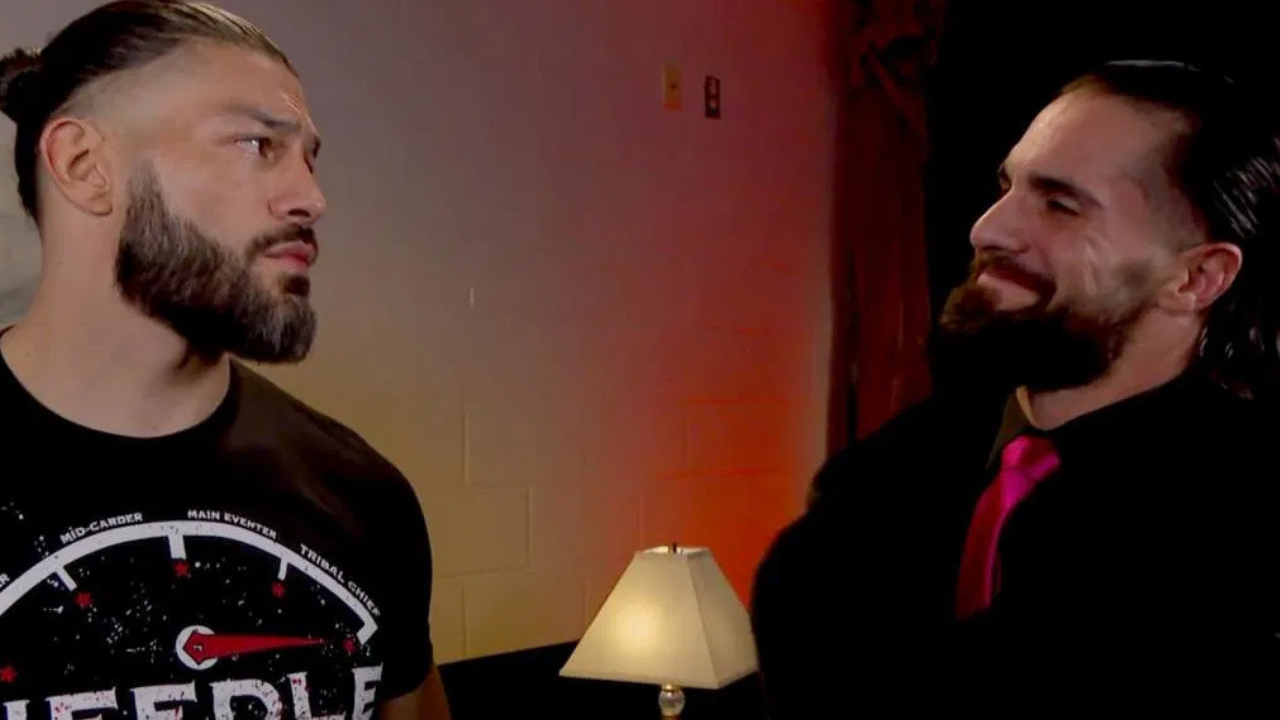
Tommy Dreamer says Roman Reigns vs Seth Rollins is wrestling's longest feud
2 hours ago
WWE NXT on the ESPN App is a massive win for white-gold brand degenerates
2 hours agoMore Analysis
Dominik Mysterio’s gear choices are actually a tactical masterclass
an hour ago
Top 10: Top Moments of Danhausen’s Shocking WWE Run
an hour ago
Tiffany Stratton is betting on herself at SummerSlam, but Jade Cargill isn't a stepping stone
an hour ago
Why Dan Hooker could be AEW's next major crossover gamble
an hour ago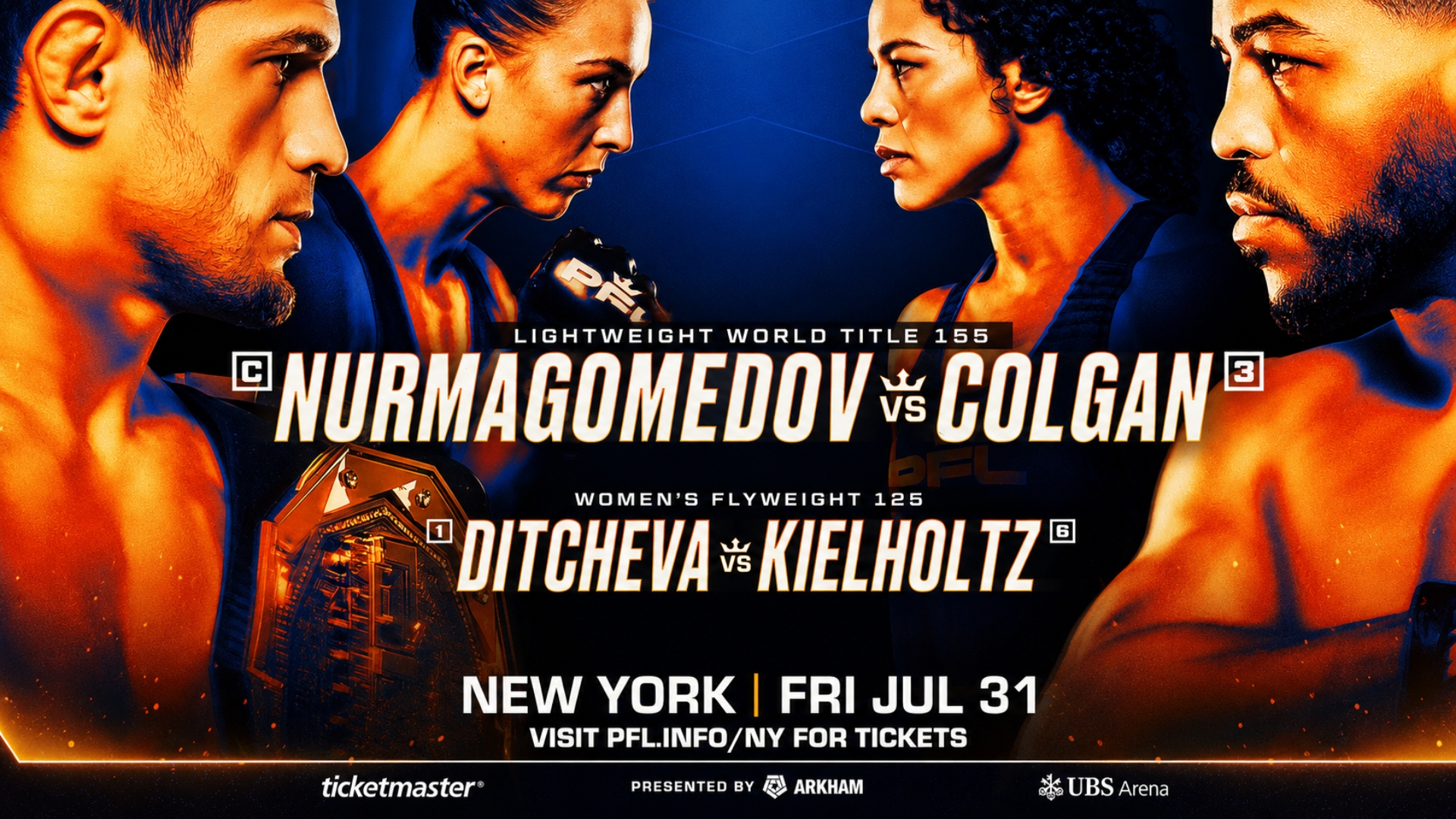
PFL New York is coming hot into 2026 and the internet has thoughts
an hour ago