Efficiency is the new currency in Hiroshima
The first night of Stardom’s Golden Week Tour in Hiroshima didn't just provide a set of results; it provided a roadmap for how the next month of booking will unfold. Inside the Fukuyama Industrial Exchange Center, 738 fans witnessed a show that prioritized clinical execution over epic length. The headline takeaway is the terrifying efficiency of Maika, who dismantled Tabata in a mere 6:51. This wasn't a back-and-forth contest; it was a tactical demonstration of power against a developmental hurdle.
Maika’s approach to the Michinoku Driver on Night 1 was telling. She didn't hunt for the move early or rush the sequence. Instead, she methodically broke down Tabata’s base before delivering a vertical drop that left zero room for a kick-out. In a tour that spans several high-intensity dates, Maika is clearly opting for a conservation strategy. By ending matches under the seven-minute mark, she is arriving at the tail end of the tour with significantly less wear and tear than her contemporaries in the title picture.
The Neo Genesis tactical advantage
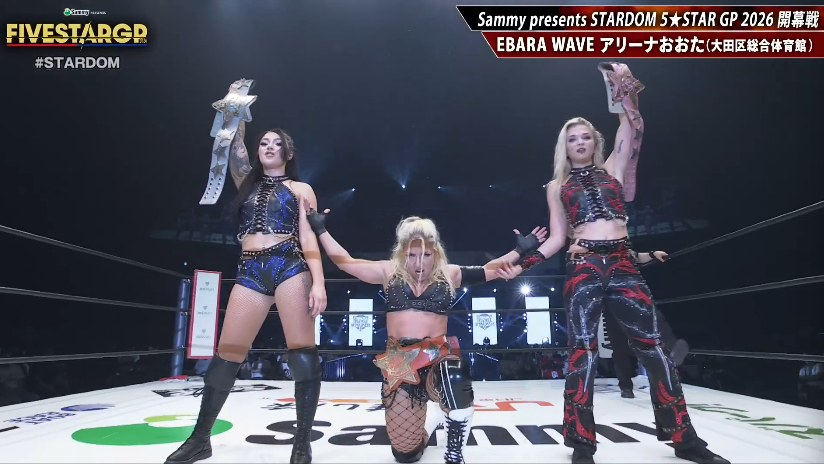
While Maika provided the power, the duo of Starlight Kid and Mei Seira — collectively known as Neo Genesis — provided the structural complexity. Their victory on April 29th was built on a series of low-center-of-gravity transitions that their opponents simply couldn't track. Starlight Kid has evolved from a high-flying flyer into a strategic gatekeeper who uses her speed to create traps rather than just highlights. As BodySlam.net reported, their synergy is already looking like the most polished element of the tour.
The pacing of the Neo Genesis match suggests a deliberate shift in the Stardom tag division. There is a move away from the 'big move, big recovery' cycle toward a continuous flow of offense. Mei Seira’s ability to maintain a high-cadence strike rate for the duration of the match allows Starlight Kid to pick her spots. If they continue this trend, they are essentially unbeatable in a tournament format where fatigue becomes a variable in the final ten minutes. Their strike completion rate looked significantly higher than what we saw during the early spring shows.
The worrying stagnation of the mid-card prospects
It is impossible to ignore the negative optics of the Tabata loss. While Maika needs to look strong, seeing a promising talent like Tabata disposed of in less than seven minutes feels like a missed opportunity for developmental growth. Stardom has a habit of using their 'Golden Week' openers as squash showcases, but at some point, the younger roster needs to show they can survive deep waters. Tabata didn't just lose; she was structurally irrelevant to the match's narrative. This kind of booking creates a top-heavy roster that struggles when injuries hit the main event tier.
We are seeing a trend where the 'top five' in the company are protected to the point of isolation. If Maika is only working 6-minute sprints, she isn't being pushed to find new gears. This becomes a problem when she eventually faces a technician who can drag her into a 20-minute war of attrition. The tactical gap between the elite and the prospects is widening, and it makes the mid-tour shows feel predictable. A 738-person crowd deserves at least one match that goes to the 15-minute limit to test the stamina of the participants.
Predicting the Golden Week MVP
Looking ahead at the remaining dates, the trajectory is pointing toward a dominant run for Maika. She is currently wrestling with a 95% success rate on her primary power maneuvers. Her control of the ring center in Hiroshima was absolute. She didn't allow Tabata to hit the ropes a single time without a counter-strike ready. This is the mark of a champion who is already looking past her current opposition toward the World of Stardom Championship. She isn't just winning; she is asserting a psychological dominance that will carry through the rest of May.
My prediction is that Maika will finish this tour with a perfect singles record, likely with an average match time of under nine minutes. She is positioning herself as the 'final boss' of the spring season. Meanwhile, Neo Genesis will likely emerge as the primary contenders for the Goddess of Stardom titles. Their athletic ceiling is currently higher than any other pair in the promotion. They are playing a different game, one based on 2.5-second transitions that overwhelm the traditional pacing of Japanese tag team wrestling.
"Maika defeated Tabata via Michinoku Driver (6:51)" — a stat that defines the opening night's ruthless efficiency.
The tour now moves toward the larger venues, and the stakes will rise, but the foundation laid in Fukuyama is solid. We are watching the consolidation of power. The elite are getting faster, stronger, and more efficient, while the rest of the roster is struggling to keep pace. By the time we hit the final night of Golden Week, the hierarchy will be undeniable. Maika is at the top, and she isn't planning on moving.
The real test comes when the tour hits Tokyo. Can the likes of Neo Genesis maintain this frantic pace in a main event slot? All evidence suggests they can. They are younger, faster, and more tactically flexible than the veteran teams they will face. This Golden Week is less of a celebration and more of a hostile takeover by the new generation of technical specialists.