The Querétaro fallout and the FOX factor
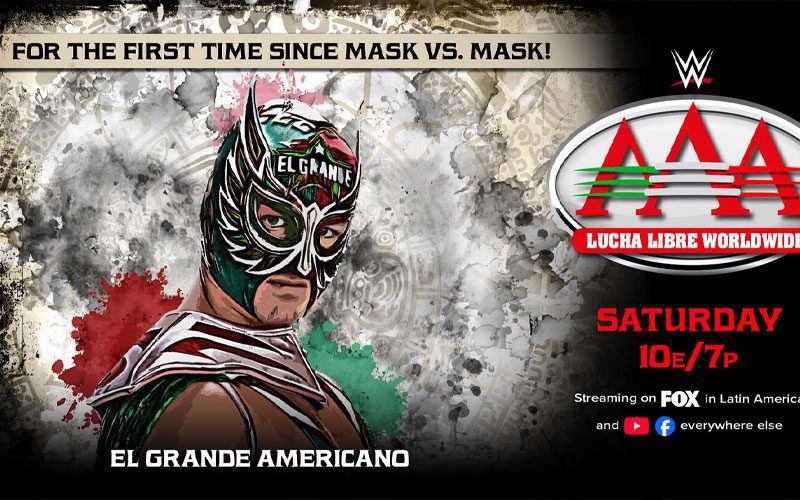
The lights at the Auditorio José María Arteaga hadn't even cooled before the discourse shifted. Lucha Libre AAA’s return to a live broadcast on FOX this past Saturday wasn't just a win for the promotion; it was a loud, chaotic reminder that the North American wrestling monopoly is feeling the heat from the south. While WWE prepares its polished, cinematic rematches for Backlash in six days, AAA brought a gritty, unpredictable energy to Querétaro that felt dangerously alive.
The production value on FOX has seen a noticeable uptick, though the camera work still struggles to keep pace with the sheer speed of a triple-threat tag match. We saw sequences in the main event that would make a standard WWE mid-carder dizzy. The transition from a springboard tornillo into a standing Spanish Fly isn't just a spot in AAA; it is the baseline expectation. This high-octane delivery puts immense pressure on the upcoming WWE card to deliver more than just storyline progression.
As Ringside News reported, the May 2 show was defined by major storyline developments that bridged the gap between traditional lucha mask-vs-hair stakes and modern television episodic drama. For fans who find the current WWE product a bit too sanitized post-WrestleMania, the Querétaro broadcast offered a raw alternative that didn't feel the need to explain every motivation with a ten-minute monologue. It was pure, distilled violence with a purpose.
The shadow of Backlash and the rematch fatigue
We are exactly six days away from WWE Backlash 2026, and the contrast couldn't be sharper. Cody Rhodes is currently sitting at the top of the mountain, but the air is getting thin. The American Nightmare finished the story at WrestleMania 41, but now he has to live the sequel. History shows that the first month of a major title reign is where the cracks usually start to show. Fans who spent two years begging for Cody to win are already starting to look at the next shiny object in the distance.
The problem with Backlash is the inherent reliance on the WrestleMania hangover. We are looking at a card that feels like a collection of 'B-sides' from the Vegas spectacular. When you have seen Cody and Roman Reigns go 30 minutes in a stadium, watching a recycled version of that heat in a smaller arena can feel like a step backward. The Bloodline's internal power struggle is still the most compelling thing on television, but even that story needs a fresh injection of chaos to avoid becoming a parody of itself.
Tactically, the WWE product is at a crossroads. They have mastered the art of the 'Premium Live Event' spectacle, but they are losing the sense of danger that AAA showcased in Mexico this weekend. In Querétaro, you didn't know if a masked challenger was going to dive from the third row or if a referee was going to be part of a massive betrayal. In WWE, you can almost set your watch to the 12 minute mark distraction finish. It is efficient, yes, but it lacks the soul of the sport.
Why the international scene is the real story
While everyone is talking about the Allegiant Stadium fallout, the real movement is happening in the trenches of international partnerships. The fact that AAA is commanding a Saturday night slot on FOX is a massive shift in how wrestling is consumed. We are seeing a move away from the 'big two' mentality and toward a more fragmented, specialized market. Fans are no longer content with one style of wrestling; they want the technical wizardry of the SPFL's home territories and the aerial insanity of Mexico.
The wrestling audience in 2026 is smarter than it has ever been. They see the booking tropes coming from a mile away. They know when a champion is being 'protected' and when a challenger is just being fed to the machine for a month. The AAA show worked because it felt like every match mattered for the ranking system, not just for the next merchandise drop. It’s a lesson that Triple H and the WWE creative team need to internalize quickly before the post-Mania slump turns into a full-on viewership slide.
There is a growing frustration with the pacing of the American majors. We see too many segments that exist only to fill time between commercials. Contrast that with the Querétaro show, where the downtime was kept to a minimum and the physical storytelling took center stage. Even the botched spots—and there were a few in the undercard—felt like they belonged to a real athletic contest rather than a choreographed stunt show. Perfection is boring; lucha libre is anything but.
Predicting the May madness
Looking ahead to May 9, the prediction for Cody Rhodes is clear: he retains, but at a massive cost. Expect a visual pinfall for the challenger that gets waved off by a technicality. It’s the classic WWE 'keep everyone strong' booking that ultimately satisfies no one. Cody needs a definitive, violent win to cement this era. Anything less will feel like he’s just keeping the seat warm for the next Bloodline insurrection. The 3 count needs to be loud and undisputed.
On the AEW side, Double or Nothing looms large on May 24. They have been quiet lately, perhaps too quiet. The 'cool down' period after their spring flurry has left a void that AAA is more than happy to fill. If Tony Khan doesn't announce a massive cross-promotional main event soon, the momentum will continue to swing toward the lucha-heavy broadcasts. The fans are tired of 'dream matches' with no stakes; they want the emotional weight that we saw in the Querétaro crowd's reaction to the main event finish.
The biggest risk right now is over-saturation. With WWE, AEW, and now a revitalized AAA all competing for the same eyeballs in a single month, something has to give. My money is on the product that feels the most authentic. The AAA broadcast on FOX wasn't perfect, but it felt like a group of people who actually liked wrestling, rather than a group of executives who liked the 'sports entertainment' revenue streams. That distinction is going to be the defining theme of the summer.
The critical observation: Production vs. Passion
Here is the hard truth: AAA’s English commentary team still sounds like they are watching a different sport half the time. There is a disconnect between the incredible athleticism in the ring and the canned, overly-excited shouting in the booth. It’s a problem that plagued the Querétaro show and one that will hold them back from truly challenging WWE on a global scale. You cannot sell a product as 'the future' if the presentation feels like a 1990s public access show.
Furthermore, the reliance on interference in the AAA mid-card is becoming a crutch. It’s the same trap that WWE fell into during the late 2010s. If every match ends with a run-in or a low blow, the results start to lose their meaning. The talent in AAA is too good for these 'dusty' finishes. Let the athletes work. The fans in Querétaro deserved a clean resolution to the trios title situation, and instead, they got a messy brawl that served as a commercial for the next taping. It’s lazy booking, plain and simple.
Despite these flaws, the energy is undeniable. The road to the FIFA World Cup kickoff in June is usually a slow time for wrestling, but the 2026 calendar is bucking that trend. We are seeing a high-stakes game of chicken between the world's biggest promotions. WWE is betting on its brand; AAA is betting on its blood and guts. For the fans sitting at home, it’s a win-win situation, provided you have enough screens to keep up with the carnage.
The Final Word
My prediction for the week ahead is a shift in the narrative. While the headlines will be dominated by WWE’s PR machine leading into Backlash, the underground buzz will belong to the lucha stars who just set Querétaro on fire. If Cody Rhodes wants his reign to be remembered, he needs to bring some of that Mexican fire to his defense in six days. The days of 'playing the hits' are over. The audience wants a fight, not a recital. I’m calling it now: Backlash will be a technical success, but it will feel 'safe' compared to the chaos we just witnessed.