The high stakes of the crown
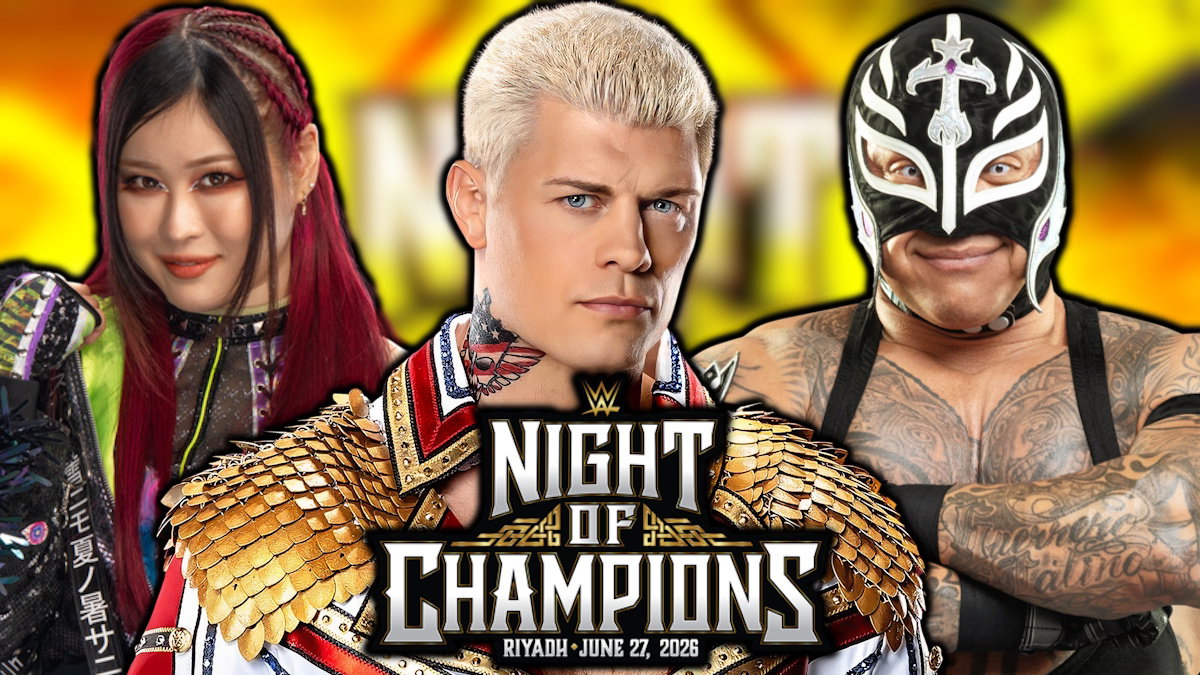
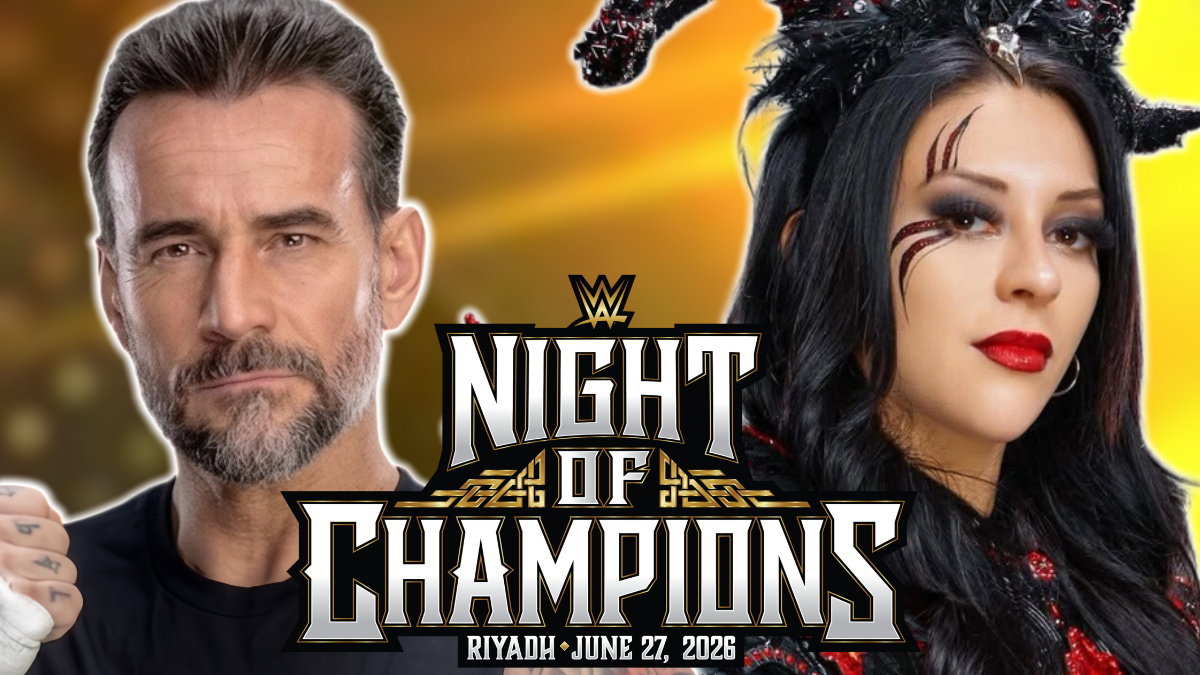
Night of Champions 2026 isn't just another stop on the road. We are looking at the culmination of the King and Queen of the Ring brackets, and the creative team has backed themselves into a corner where only two specific winners satisfy the current trajectory. If the tournament results don't align with the internal logic built over the last six weeks, the fan reaction will be brutal.
The bracket work has been solid, but a tournament is only as good as its ending. We need a winner who can carry a mid-card title arc while simultaneously elevating the main event scene. If the promotion pivots to a safe choice, it guts the last two months of storytelling. They need a disruptor, someone who uses that crown to pivot directly into a summer program.
Predicting the tournament shake-up
As WrestleTalk recently noted, the conversation heading into the event is dominated by potential returns. Managing expectations here is vital. While fans are clamoring for big-name shocks, the real story is in the ring performance of the finalists. A surprise pop doesn't save a match that lacks technical continuity.
My prediction for the King of the Ring is a decisive win for the younger heel currently holding an 18-4 record in matches since April. Using the crown to transition into a direct challenge for the world heavyweight title makes the most sense from a booking perspective. Anything less renders the three-week tournament duration a waste of television hours.
The return factor and the downside
The six returns mentioned by pundits are a double-edged sword. If you insert a legacy talent into the closing moments, you risk burying the tournament winner's spotlight immediately. I expect at least one of these returns to happen mid-match, causing a disqualification or a chaotic finish that ruins the clean win the audience expects.
This is my primary critique of the current booking methodology. They rely on the impact of a return to mask the lack of a strong finisher or a compelling beat-for-beat struggle in the final act. If the match ends with a run-in, it’s a failure of creative vision, regardless of the star power involved.
Look closely at the mid-match pacing in the final 12 minutes of the broadcast. If the wrestlers avoid the tropes of trading finishers for two-counts, we might get a high-quality main event. If they fall into the 'see-saw' booking pattern, the crowd will turn on the finish, regardless of who puts on the crown.
Read Next