Tournament intensity spikes in France
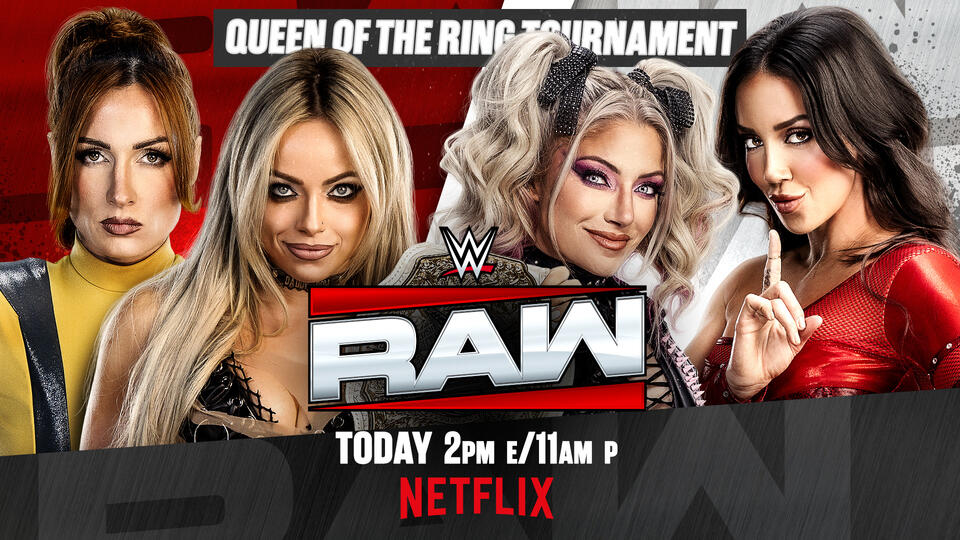
The 2026 King and Queen of the Ring tournaments rolled into Paris for today's episode of Raw, delivering a pair of high-stakes results. With the tournament structure now past the initial four-way opening salvos, the path to the finals is becoming clearer. WWE is clearly intent on pushing these crowns as premier accolades, moving away from past experimental formats.
The Paris crowd provided a distinct atmosphere for these matchups. European audiences often shift the energy of a broadcast, forcing performers to adjust their pacing and crowd engagement. Watching two veterans collide in this setting suggests WWE is prioritizing work rate over pure spectacle for these early-round tournament bouts.
Analyzing the quarter-final hurdles
Moving out of the first round is a pivot point for the roster. Mid-card performers who secure these wins gain immediate legitimacy, while established stars risk stalling if they stumble before the semi-finals. As WrestleTalk reported, the bracket progression highlights a deliberate strategy to freshen up the title picture without relying on existing gold.
However, the short-term booking feels rushed in segments. Cramming high-stakes tournament matches into a single Raw broadcast ignores the opportunity to build tension over several weeks. WWE has a deep roster, yet the accelerated pace leaves little room for character development between the bell rings. It feels like a numbers game rather than a story-driven quest for the throne.
Contextualizing the tournament stakes
The 2026 field features a mix of hungry challengers and grizzled veterans. Winning this tournament acts as a career catalyst, but the follow-up is historically hit-or-miss. For the winners advancing today, the challenge isn't just the bracket—it is escaping the creative vacuum that often swallows tournament victors once the trophy is handed over.
Compare this to the standard championship chase. A title hunt has a built-in emotional hook, whereas a tournament requires the audience to buy into the prestige of the gimmick itself. The Paris show made a solid case for the in-ring quality, but the creative team must ensure these specific winners have a clear path to meaningful TV time by the time the tournament concludes.
Critiquing the booking pace
Not every shift in the bracket serves the performers well. Accelerating the transition from four-way openers to traditional one-on-one matches feels like a reactionary move. The four-way stipulations allowed for chaotic, fast-paced action that masked some of the weaker narratives, but the shift to standard matches exposes the lack of stakes surrounding individual competitors.
If the plan is to crown a king and queen with actual momentum, they need to do more than win clean. They need to generate genuine heat. Right now, the tournament feels detached from the wider implications of the roster hierarchy. It is a competition occurring in a bubble, separated from the ongoing rivalries that actually drive ticket sales.
The road ahead for the bracket leaders is crowded. With the competition narrowing, we are seeing the same names cycled to the top of the card. A breakout star is needed to justify the tournament’s existence. Without an unexpected upset in the semi-finals, this event risks becoming another exercise in predictability that does little to shake up the mid-year status quo.
Ultimately, Paris provided the backdrop, but the booking remains the primary hurdle. WWE successfully moved talent forward today, but they failed to provide the necessary hook to make us care about the final outcome beyond the trophy itself. The tournament is functioning as intended, but it is not delivering the narrative surprises that make pro wrestling appointment viewing.
Read Next