The Shift to the Callis Family
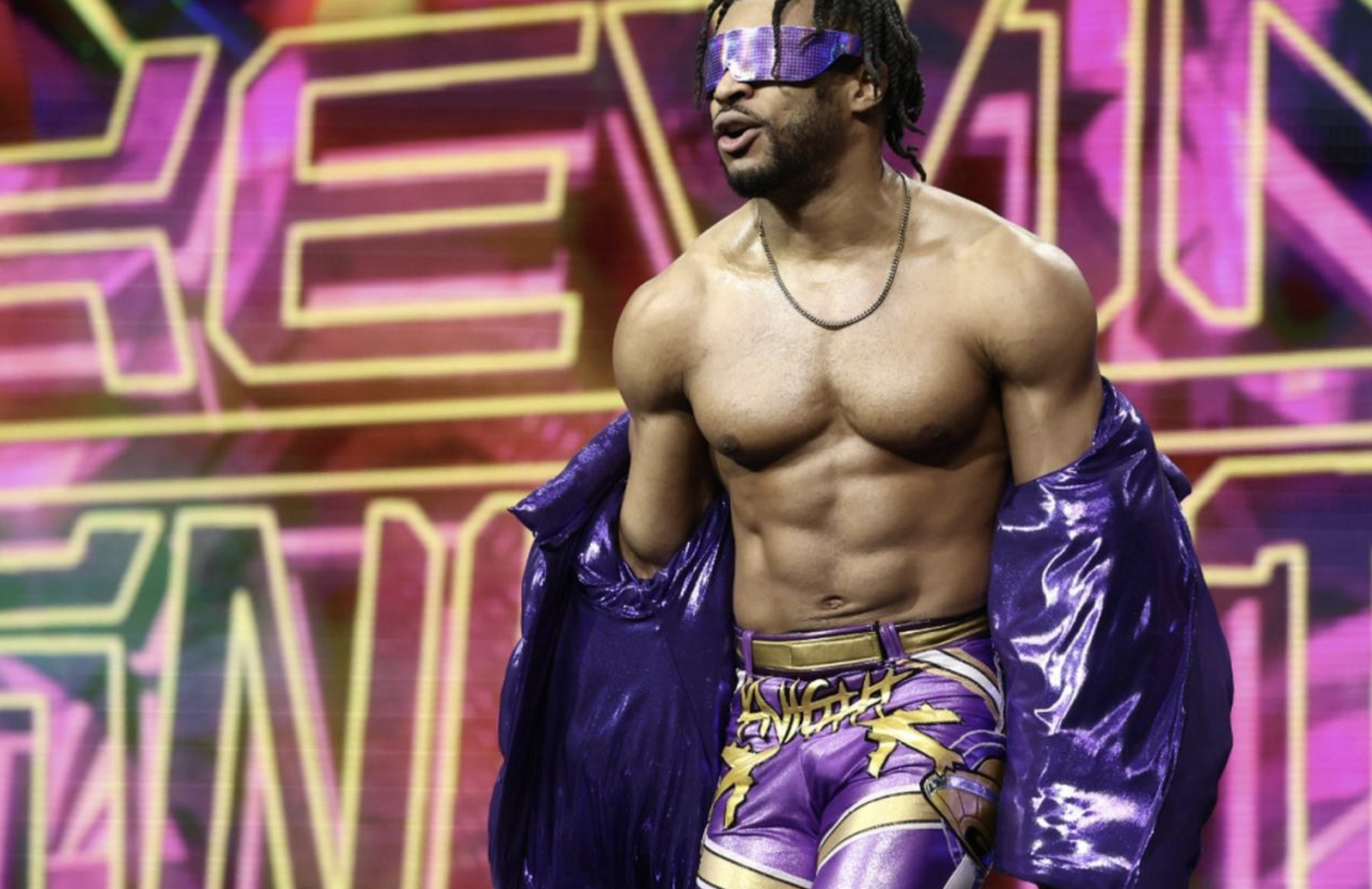
Kevin Knight’s recent entry into the Don Callis Family is the most significant tactical pivot in his young career. The move, as reported on the PWTorch All Elite Conversation Club, marks a clear departure from his trajectory as a pure babyface prospect. By aligning with Don Callis, Knight gains instant proximity to established main-event fixtures, a necessary leap for a talent often stranded in the crowded midcard shuffle.
Knight’s profile has always been defined by his technical crispness and explosive athleticism. However, he struggled to find a consistent creative hook during his early AEW tenure. The Callis Family functions as a heat magnet, providing a platform where Knight's technical limitations are hidden behind the faction’s broader, high-stakes narratives. This is the classic protégé setup: use the faction's influence to artificially inflate his standing while he sharpens his promo delivery.
Tactical Execution and Creative Risks
The immediate creative opportunity rests in Knight working as the faction’s "enforcer" for technical bouts. Callis rarely recruits without a specific purpose, and Knight’s agility offers a counterpoint to the brawling style of his stablemates. Expect him to be positioned as the primary foil in matches where technical superiority is the central conflict.
However, the skepticism remains valid. AEW’s track record with young talents ballooning their rosters is spotted with under-utilized prospects. If Knight is relegated to the role of a ringside heater rather than a featured worker in midcard championship programs, he risks hitting a glass ceiling. The Don Callis Family is historically promo-heavy; if Knight spends more time holding the ropes than executing signature moves like his trademark crossbody or dropkicks, his momentum will stagnate by the end of the summer.
The Probability and Impact
This is a confirmed alignment rather than a speculative signing, solidifying Knight’s place on the active roster through the remainder of 2026. This promotion suits him because it mandates his visibility in every significant segment involving the faction. He is no longer fighting for airtime in dark matches; he is now a functional piece of the featured weekly television rotation.
The impact is measurable. By inserting Knight into the Callis Family, AEW effectively signals that he is the next project for prime development. The downside is the heavy reliance on an established stable’s gimmick, which can swallow a wrestler's individuality whole. If Knight fails to inject his own personality into the group, he becomes yet another background player in the Callis rotation. If he succeeds, he effectively bypasses 12 months of standard booking purgatory.
Whether this turns into a true breakout or a quiet burial will be determined over the next 90 days of television. The audience is reacting, but the booking must keep pace. A simple role as a sidekick won't satisfy the fans who have tracked his growth since his independent circuit debut. He needs to secure a high-profile victory under the Callis umbrella before the calendar hits the autumn programming reset.