Travel logistics testing the depth of the Khan cabinet
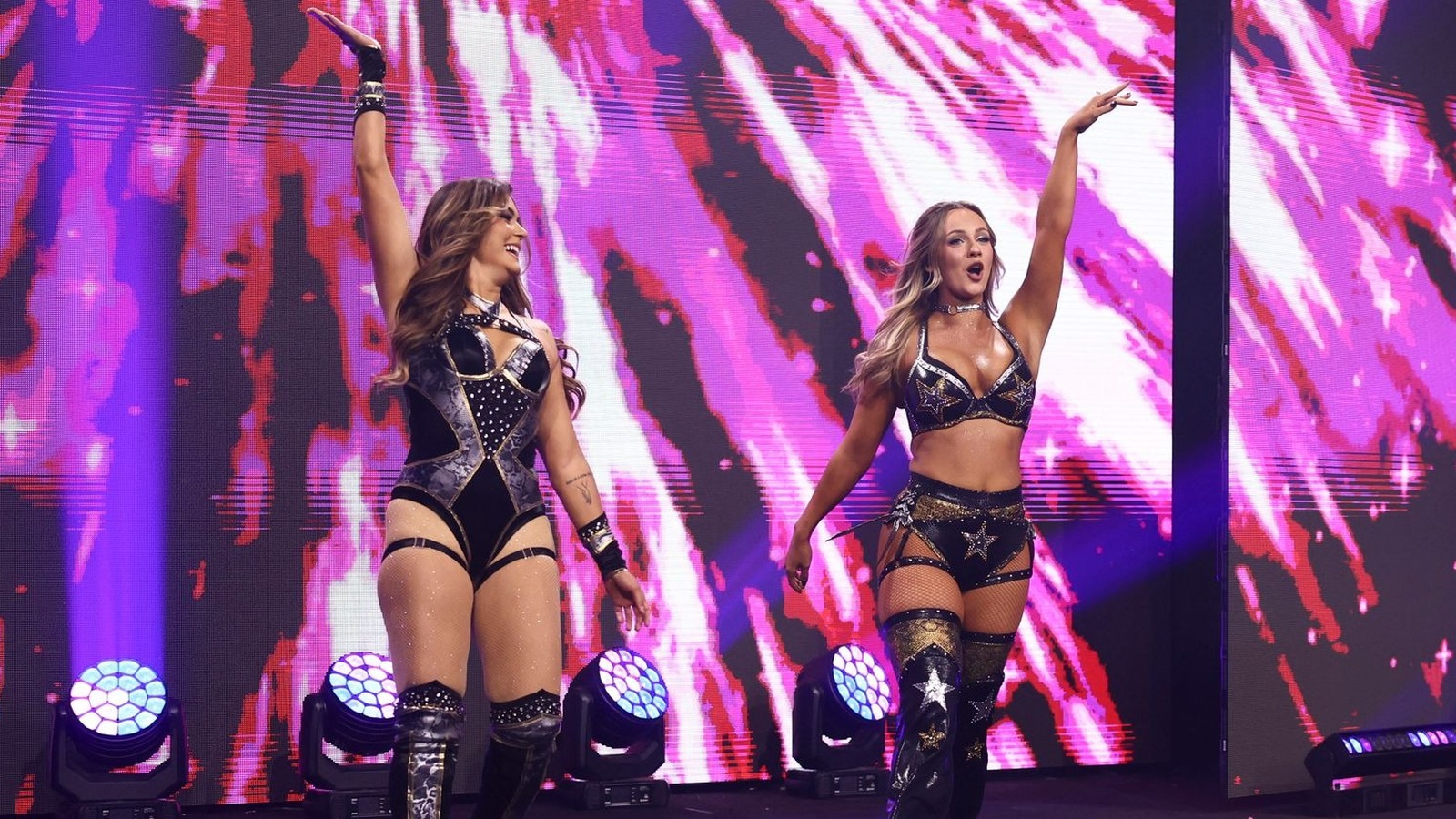
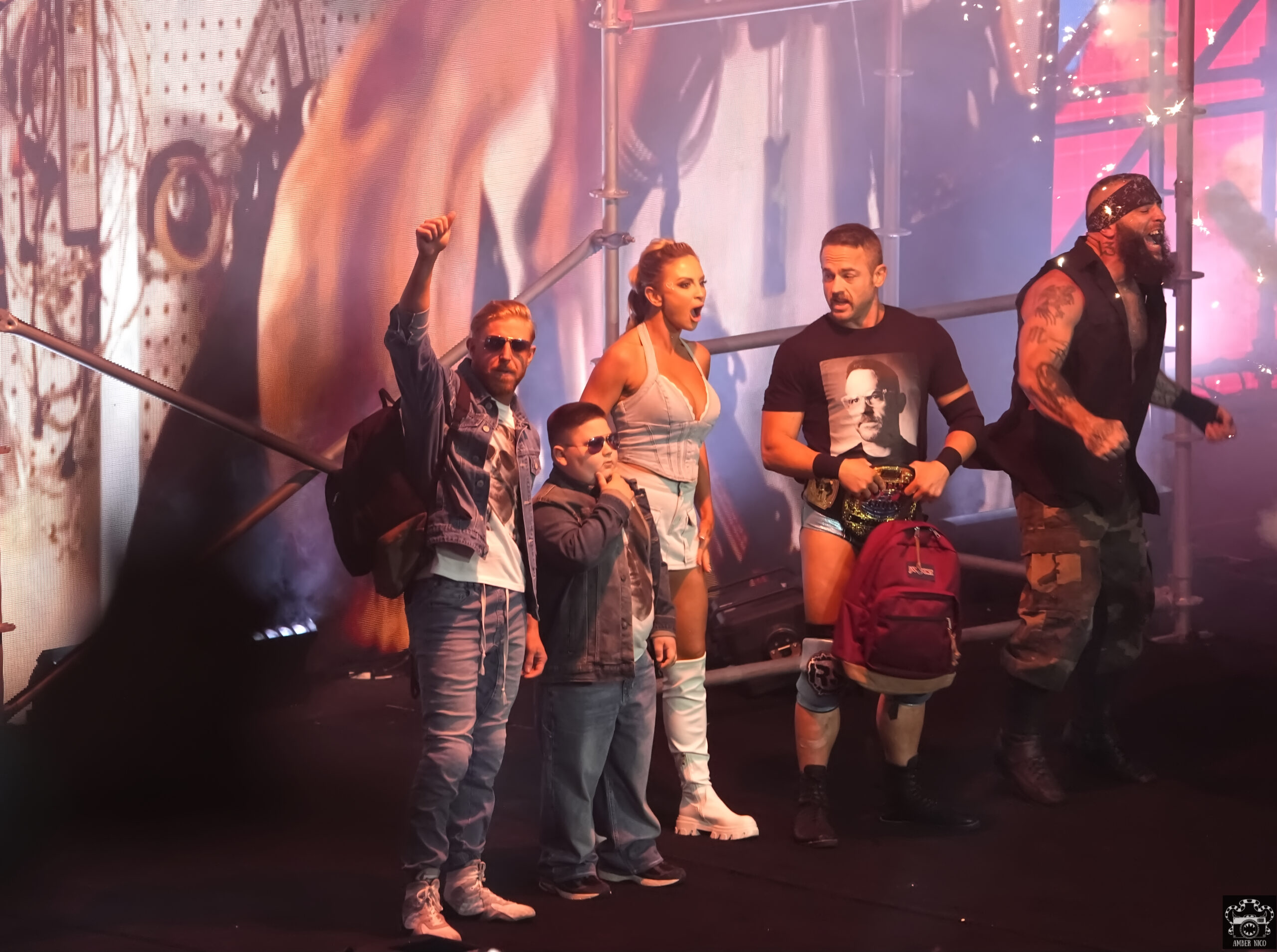
Tony Khan scrambled to rewrite the June 6 episode of Collision after travel complications originated in Mexico, forcing a last-minute adjustment of the card. The disruption serves as a stress test for a roster often criticized for bloat but rarely evaluated on its immediate contingency speed. When Ringside News noted these travel woes, the outcome wasn't a cancellation but a reshuffling that pushed alternative talent to the forefront of the Portland, Maine broadcast.
The adjustments allowed for a spotlight on the Tag Team Eliminator Match, where TayJay secured a title opportunity by surviving a tight 5-minute window against Divine Dominion. That specific duration is a recurring trend in current AEW programming, prioritizing density over the drawn-out pacing seen in previous booking cycles. For the promotion, the ability to pivot is essential, especially with the 2026 World Cup kickoff scheduled for June 11, just five days after the Portland show.
The Ospreay and Joe tension carries the booking weight
While travel issues dominated the news cycle, the wrestling story centered on Will Ospreay pinning Shibata to solidify his momentum. This win, documented during the Cross Insurance Arena event, moved the needle toward a high-stakes clash against Samoa Joe in the Owen Hart Tournament. The booking math here is simple: utilize the top-tier talent available on site to paper over the gaps left by delayed international arrivals.
However, the reliance on high-profile singular encounters to anchor a show creates a binary experience. If Ospreay and Joe are the primary selling points, the undercard suffers when travel luck turns sour. We saw the tangible impact of these shifts in the Collision results, where the focus narrowed significantly on a few core segments following the mid-afternoon card changes. It highlights a recurring booking flaw: the safety net remains too close to the main event spotlight.
The statistical reality of the Owen Hart Tournament
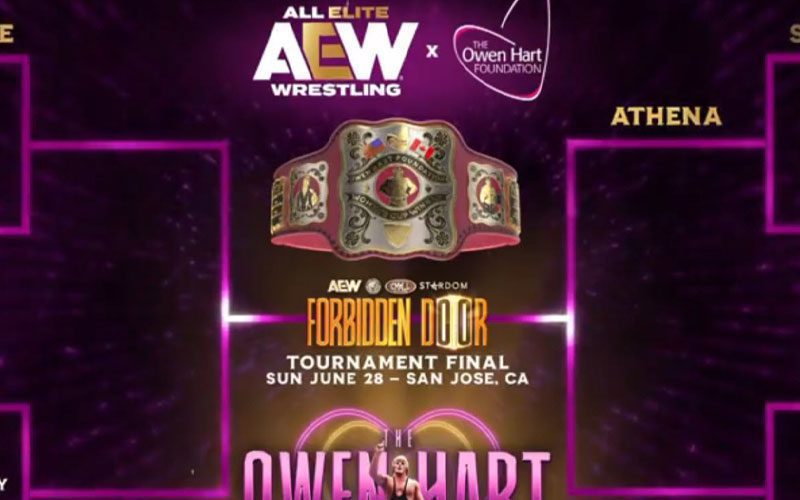
The commitment to the Owen Hart Tournament represents 40% of the current creative output for upper-midcard talent. Analysts observing these developments note that constant tournament booking often obscures a lack of longer-term narrative arcs for the rest of the locker room. When stars are shifted into a bracket format, the win-loss record becomes the only metric that matters, effectively discarding individual character development for the sake of pacing.
The data suggests that AEW is increasingly leaning on this format to resolve travel-induced booking shortfalls. By slotting talent like Hazuki and Persephone into tournament spots, the promotion ensures that 'must-watch' stakes remain attached to the matches even when the original creative path is derailed. It is a functional way to kill time, but it lacks the nuance of the heated feuds typically expected at large-scale arena shows.
The card changes were a direct response to logistical hurdles, but they unintentionally signaled an over-reliance on tournament-based filler to pad out two-hour broadcast blocks.
Ultimately, the Portland show was a case study in operational survival. While the company cleared the 90-minute airtime threshold without any on-screen visible degradation in quality, the sheer entropy involved in the process is unsustainable. Relying on last-minute improvisations to fill the gaps created by travel errors means that 15% of the company's annual television output is currently dictated by flight paths rather than long-term storytelling.