The Las Vegas hustle
Las Vegas is about to lose its mind. In exactly six days, Allegiant Stadium hosts the first night of WrestleMania 41, bringing the John Cena farewell tour and CM Punk's grand stage return to the desert. The corporate WWE machine is running at full throttle.
But outside the shiny confines of the WWE bubble, the real chaos is brewing. The independent scene converges on the same city every year, setting up rings in hotel ballrooms and convention centers.
This is where the polished veneer of sports entertainment gives way to the gritty, unpredictable reality of the wrestling business. WrestleCon is the crown jewel of that indie weekend.
It draws thousands of hardcore fans looking for workrate classics and dream matches that television won't give them. It is a massive platform for any young wrestler looking to make their name.
You would think that organizing the main event of such a significant weekend would involve contracts, conference calls, and careful planning. You would be wrong.
Finding out on the timeline
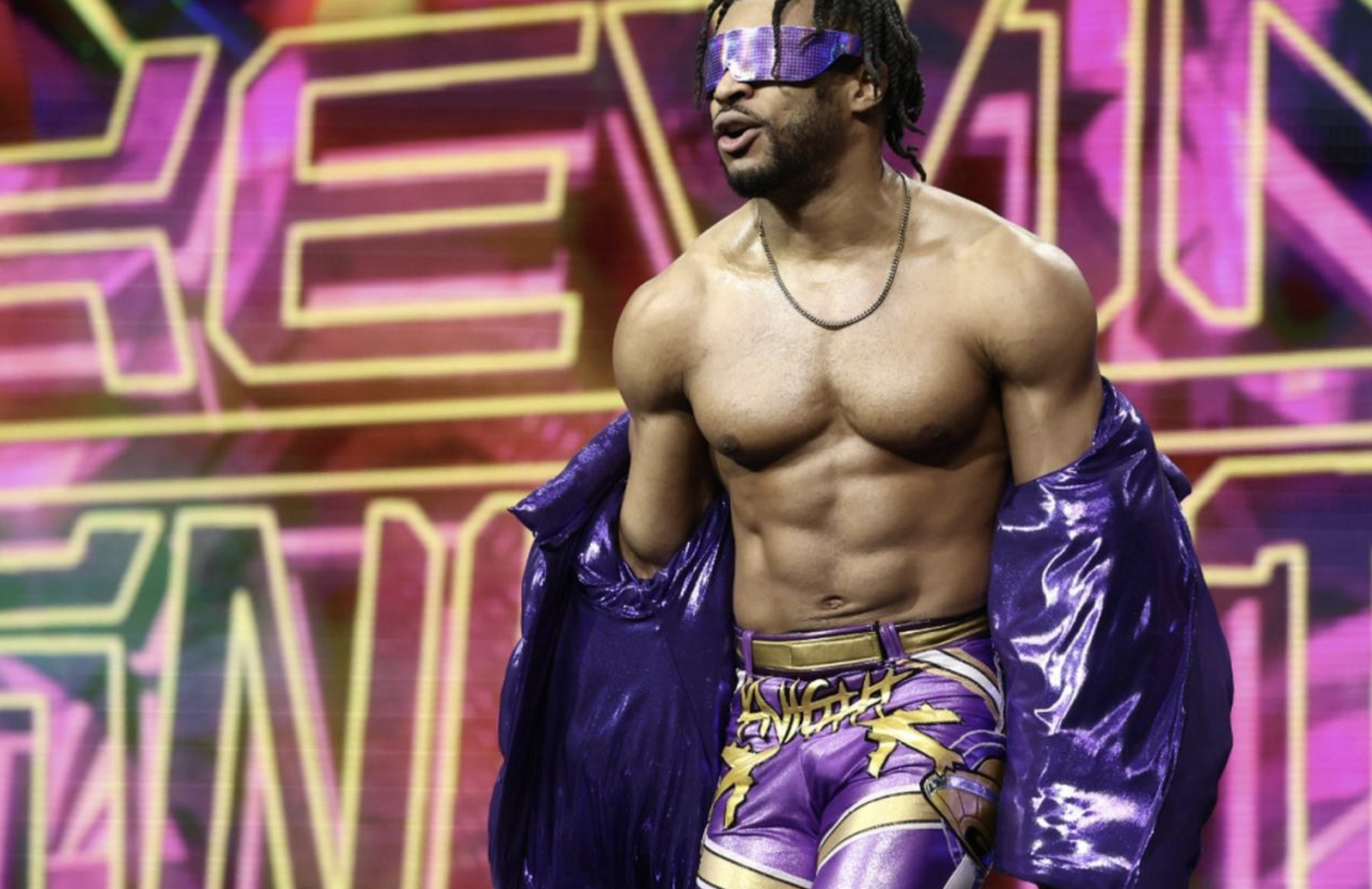
Kevin Knight is stepping into the WrestleCon main event this week. It is arguably the biggest spotlight of his singles career on North American soil.
He did not get a phone call from a promoter. Nobody pulled him aside in a locker room to pitch the idea. He found out he was main eventing the same way the guy sitting in the third row found out.
According to Ringside News, Knight discovered his placement on the card by seeing it online. The graphic dropped, the fans reacted, and Knight realized his weekend schedule just got a lot heavier.
This is an incredible indictment of how independent wrestling still operates in 2026. For all the talk of progress and professionalism, the communication often mirrors the territory days of the 1980s.
Promoters change cards on a whim. Flights get delayed, opponents get injured, and the easiest way to announce a pivot is to just hit send on a tweet.
It is disrespectful to the talent. When a wrestler is asked to carry the main event of a major weekend, they deserve the basic courtesy of a heads-up. They need time to mentally prepare and physically adjust their training routines.
The corporate contrast
To truly understand how wild this situation is, you have to look at what is happening just down the street. Inside Allegiant Stadium, WWE is operating with absolute precision.
Every single second of WrestleMania 41 is mapped out. Producers like Jason Jordan and Jamie Noble have been running through match outlines for weeks. The talent knows exactly when they are walking down the ramp and exactly how much time they have to hit their finish.
If a match order changes in WWE, it involves a strict chain of command. Triple H signs off on it, the head writer adjusts the script, the producers inform the talent, and the referee gets the update beamed directly into their earpiece.
In the indie world, the chain of command is often a single guy with a stressed-out look and a constantly buzzing cell phone. The logistical setup simply does not exist.
This lack of structure is a double-edged sword. On one hand, it leads to amateur communication breakdowns like Knight's current predicament. On the other hand, it allows for a raw spontaneity that highly produced television wrestling struggles to replicate.
When you walk into a WrestleCon show, you know anything can happen. The guardrails are off. The wrestlers are calling the action in the ring, feeding off the sweaty energy of a few hundred diehards packed together.
The burden of the main event
Main eventing a WrestleCon show is not like working the middle of a random Saturday night indie in Reseda. The pressure is completely different.
By the time the main event hits the ring during WrestleMania weekend, the crowd is usually exhausted. They have been standing in autograph lines since dawn. They have probably already watched thirty other matches across different promotions in the last 48 hours.
You have to wake them up. You cannot rely on basic headlocks and slow rest holds to eat up the clock. You have to work at a breakneck pace and take significant physical risks.
For someone like Knight, this is both a massive opportunity and a dangerous trap. If you go out there and lay an egg in front of that specific, highly critical audience, the internet will tear you apart before you even make it back through the curtain.
But if you steal the show? That shaky cell phone footage gets clipped, shared globally, and suddenly you are the hottest free agent conversation in the entire industry.
It is a brutal zero-sum game. The margin for error vanishes entirely when the lights go down and the ring announcer calls your name for the final bout of the evening.
The Noge Dojo discipline
Knight's ability to handle this ridiculous curveball stems directly from his time in the New Japan Pro-Wrestling system. That environment ruthlessly strips away ego and entitlement.
Young Lions in New Japan are essentially indentured servants for the first few years of their careers. They scrub floors, do thousands of Hindu squats, and get physically stretched by heavy-hitting veterans on a daily basis.
They are taught to shut up, listen, and perform whenever called upon. There is absolutely no room for complaining about your spot on the card or whining about the lack of a formal text message from the front office.
That forged discipline is going to save Knight this weekend. A lesser talent might have gone straight to social media to complain or threatened to pull out of the show entirely. Knight just accepted the chaotic reality.
Look at his recent tape from the Super Jr. Tag League alongside Kushida. The Intergalactic Jet Setters run proved Knight understands spatial awareness in the ring. He is not just blindly hitting spots.
He knows exactly when to cut the ring in half, how to create isolation, and when to trigger the hot tag sequence. He uses his athleticism efficiently, maximizing the impact of his leap rather than wasting it on transition moves.
Those are the exact gritty skills he needs on Thursday night. He cannot just rely on his freakish vertical leap. He has to tell a compelling story of a guy fighting from underneath against the odds.
What to watch for in Las Vegas
When the bell finally rings, watch his opening sequence. The temptation in these high-profile indie showcases is to burn through high-spots immediately.
He needs to resist that urge. A tired crowd does not react to a 450 splash in the second minute. They react to struggle. He has to establish a grounded technical base first, forcing the audience to invest in the hold before he introduces the aerial offense.
Look carefully at how he handles the crowd's initial reaction. If they are dead tired from the weekend, does he panic? Or does he slow the pace down and force them to pay attention through sheer, unadulterated aggression?
His opponent is almost irrelevant in a way. This is entirely about Knight making a definitive statement to the promoters who booked him blindly and the fans who bought the expensive tickets.
He needs to hit his signature dropkick with absolute perfection. He needs to lay his forearm strikes in heavy. This cannot look like a heavily rehearsed choreographed routine.
It needs to look like a desperate fight. It needs to look like a guy who is genuinely pissed off that he found out about his own high-stakes match on Twitter, and is taking that intense frustration out on the guy standing across from him.
The weekend forecast
WrestleMania 41 is obviously going to dominate the mainstream headlines. Cody Rhodes and Roman Reigns will inevitably take up all the oxygen in the room by the time Monday morning rolls around.
But the hardcore fans — the ones who dissect every single frame of ring footage — will be arguing about what happened in the dusty ballrooms. They will be searching for the definitive breakout star of the entire weekend.
My prediction? Kevin Knight absolutely thrives under the chaotic, unprofessional circumstances. He is simply too athletic and too well-trained to let this massive moment slip through his fingers.
Expect an 18-minute bout heavily reliant on strike exchanges and working from underneath. Knight will likely take a heavy bump on the outside early, deliberately sacrificing his body to generate immediate sympathy from a fatigued crowd.
From there, it becomes a masterclass in pacing. He will slowly build to his signature offense, utilizing his staggering vertical leap to hit a sudden dropkick as a momentum-shifting counter.
By the time he bridges for the final pin, the room will be wide awake. The promoters better have his envelope of cash ready. And next time, they better pick up the damn phone.
Read Next
- John Cena's final WrestleMania walk is the only thing that matters in Vegas
- MJF's cheap Dynasty win forces Tony Khan to hit the panic button
- WrestleMania 41 Merch Check: What's Actually Worth Buying
- WrestleMania 41 proves WWE finally fixed the Roman Reigns experiment
- 🏆 WrestleMania 41 — Full Coverage Hub