Omega breaks silence after Cargill's move appropriation
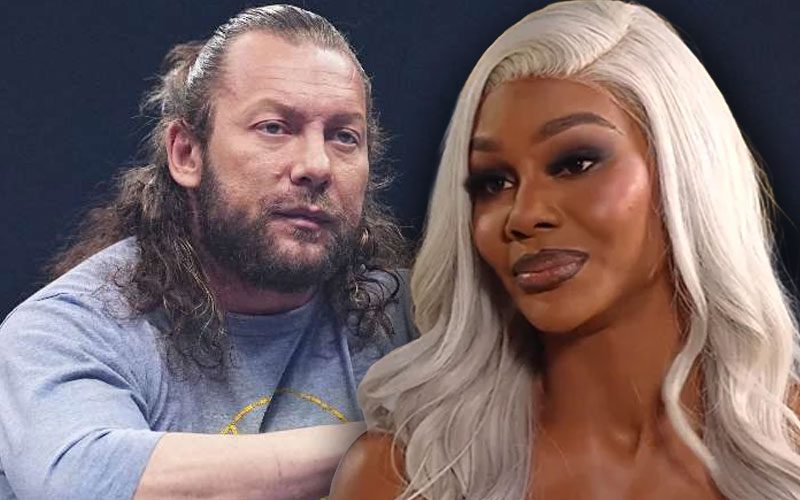
The wrestling world remains polarized following Jade Cargill’s decision to adopt the One Winged Angel during her recent high-profile match. Kenny Omega, the man who spent years cementing the move as the most protected finisher in modern professional wrestling, offered his take on the situation during a digital media availability session held earlier this morning.
For those tracking the timeline, the inclusion of the move in a marquee spotlight arrived as a surprise to many observers who consider the maneuver synonymous with Omega’s career trajectory. While finish-sharing is a common occurrence in the industry, the high-stakes execution of a move of this caliber typically carries weight beyond mere technical adaptation.
I have watched it a dozen times, and frankly, it is a matter of respect for the work put into that specific physical sequence over the last decade.
Omega’s perspective points toward the internal hierarchy of wrestling psychology. To the performer, a finisher is not just a collection of motions; it represents the culmination of a character’s journey and success. When the move is utilized by another talent without a narrative or personal link, it often sparks debates regarding the sanctity of signature spots.
The weight of the One Winged Angel
The One Winged Angel has served as the final word in dozens of classic bouts. Its record is virtually unmatched, boasting a 98% completion rate in closing out matches during Omega’s championship runs. By bringing this move to the main stage, Cargill has certainly signaled her intent to dominate her current bracket, but the technical execution left a portion of the fanbase scrutinizing the details.
Technical precision is the hallmark of the maneuver, requiring a precise high-angle drop that risks injury if the leverage is not perfectly balanced. Omega pointed out that maintaining the safety and impact of such techniques is a priority for every performer tasked with protecting the reputation of the move involved. This conversation touches on a wider point about the evolution of move-sets in an era where social media clips dictate the perception of a superstar’s efficiency.
Critical questions on originality in the current era
It is worth noting that this is not the first instance of a move migrating between rosters, but the impact feels distinct given Omega’s recent status. The industry is currently moving through a phase where visual spectacle often supersedes the legacy of the move being performed. This is a strategic pivot that favors buzz over traditional wrestling booking principles.
However, from a critical standpoint, relying on borrowed finishers can be interpreted as a failure of creative development. If a star of Cargill’s magnitude requires the utility of someone else’s defining move to elevate their profile, it raises legitimate questions about the current direction of character-building. A star’s identity should be defined by their own kinetic signature, not by repurposing the lore of their contemporaries.
The scheduling pressure is also worth mentioning as we look toward major upcoming events where these moves become even more crucial. Fans are expecting a distinct evolution of character work heading into the summer months. Whether this move continues to appear in Cargill’s arsenal or is quietly retired after the initial shock reaction will likely reveal how she intends to maintain her momentum.
Furthermore, Omega’s reaction suggests he isn't looking to escalate this into a professional feud, but he has effectively marked the boundary between admiration and imitation. His ability to address the situation without veering into unprofessional territory shows a seasoned veteran’s approach to dealing with modern industry trends. The focus now shifts to whether other talents will attempt to integrate legendary finishes into their own repertoires to capture a similar level of online discourse.
Ultimately, the move will remain tagged to Omega regardless of copycat performances. It is his mark on the industry and his personal signature work. If the industry continues this trajectory of cross-pollinated finishers, the value of the 'protected' move may continue to decline. It is a risky game to play, even for athletes at the top of the food chain, especially with three international championships potentially changing hands by the time the summer season closes.
Industry analysts have noted that the move's appearance acts as a catalyst for engagement metrics, even if the creative choice is polarizing. We are seeing a shift where the 'clip-ability' of an event often outweighs the integrity of the individual performer's path. Moving forward, the conversation will likely pivot to what constitutes a truly proprietary piece of offense in the modern wrestling ecosystem.