The Big Picture
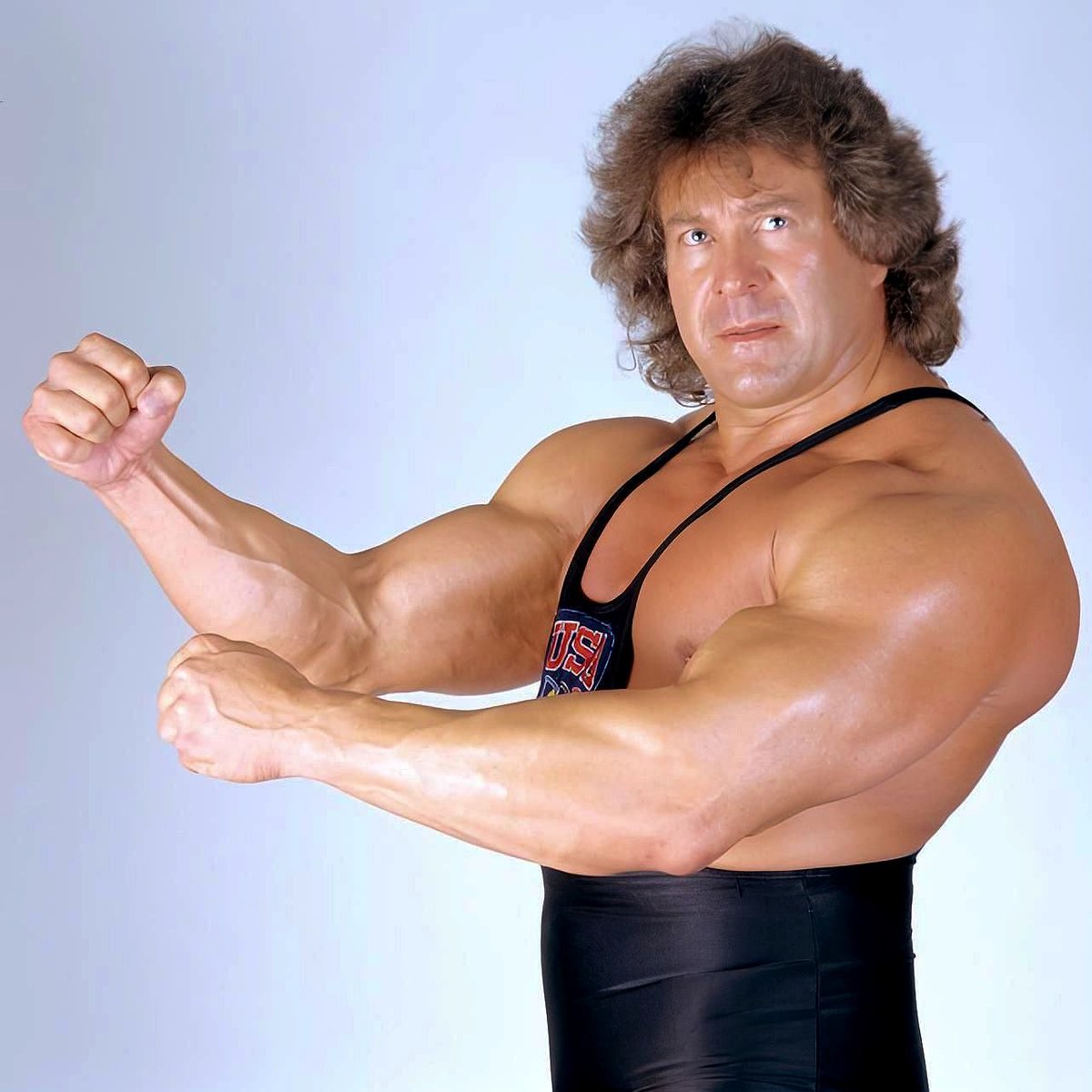
Wrestling legend Ken Patera has suffered a broken neck after a fall at the gym, sources confirm. The 83-year-old former WWE Intercontinental Champion sustained a fracture to his C1 vertebra. The news was first shared by friends of Patera and confirmed by booking agent Steve Stasiak of Book Pro Wrestlers.
The injury comes as a massive setback. Patera had spent the last two and a half years rebuilding his strength after major back surgery. Friends reported he had returned to regular workouts and lost significant weight before the accident occurred.
As PWInsider reported, details surrounding the fall remain scarce. The injury occurred during a training session, halting what had been a successful recovery program. The wrestling community has quickly rallied around the former strongman as details of the accident surfaced.
The Medical Reality of a C1 Fracture
A fracture of the C1 vertebra, also known as the atlas, is one of the most severe neck injuries an individual can sustain. The C1 vertebra sits at the very top of the spine, supporting the skull and facilitating head movement. At 83 years old, any cervical spine injury carries elevated risks of neurological damage, paralysis, or mortality.
Medical protocols for C1 fractures in elderly patients focus heavily on stabilization. Surgeons often avoid invasive operations due to the risks of anesthesia and post-operative complications in older adults. Instead, treatment typically relies on a rigid cervical collar or a halo vest brace to immobilize the neck.
This recovery path requires strict immobilization for three to six months. For an athlete who built his life on physical power, the forced inactivity will be grueling. Rebuilding muscle mass after months in a brace presents a massive challenge for someone in his ninth decade.
According to updates from F4WOnline, Patera's camp has not released a formal prognosis. The recovery timeline remains open-ended as doctors assess the stability of the fracture. The immediate focus is keeping the neck aligned to prevent spinal cord pressure.
Ken Patera's Career and Historical Context
From Munich Olympics to the Squared Circle
Patera's athletic history is built on historic feats of strength. Before entering pro wrestling, he was one of the premier super-heavyweight lifters in the world. He won four consecutive U.S. Weightlifting Championships from 1969 to 1972.
At the 1971 Pan American Games in Cali, Patera captured gold for the United States. Later that year, he secured a silver medal at the World Weightlifting Championships in Lima, finishing behind Soviet powerhouse Vasily Alekseyev. He became the first American to clean and jerk over 500 pounds during the 1972 Senior Nationals.
His weightlifting career culminated at the 1972 Summer Olympics in Munich. Patera entered as a gold medal favorite but suffered a disastrous performance. After placing third in the press portion, he failed all three of his snatch attempts, resulting in an early elimination.
Following the Munich Games, Patera transitioned to professional wrestling. He trained under Verne Gagne and debuted in the American Wrestling Association (AWA). His legitimate athletic credentials made him an instant draw across multiple territories.
The Intercontinental Reign and Wisconsin Jail Time
Patera reached his WWE peak on April 21, 1980. He defeated Pat Patterson in Boston to become the second-ever WWE Intercontinental Champion. His heel run was defined by his power game, using the swinging full nelson to submit opponents.
He held the title for 231 days before dropping it to Pedro Morales in December 1980. Patera then split time between the Mid-Atlantic territory, Georgia Championship Wrestling, and the AWA. He remained a main-event heel, working feuds with Hulk Hogan and Dusty Rhodes.
His career derailed on April 6, 1984, in Waukesha, Wisconsin. Patera and tag team partner Masa Saito were refused service at a McDonald's after hours. A rock was thrown through the restaurant window, sparking a police investigation at their motel room.
The subsequent confrontation turned into a violent brawl with responding officers. Patera and Saito were arrested and later convicted of battery of a police officer. Both men received a two-year prison sentence for the altercation.
Strategic Pitfalls and Industry Impact
The 1987 WWF Comeback Debacle
When Patera returned to the WWF in 1987, the company attempted to book him as a sympathetic babyface. The promotion ran video packages highlighting his hard labor in prison to build a comeback storyline. This booking choice drew heavy criticism for glorifying a physical assault on law enforcement officers.
The return was a creative and athletic disappointment. Patera was physically diminished, slow, and lacked the explosiveness that defined his early runs. His high-profile feud with Bobby Heenan and the Heenan Family exposed his physical limitations in the ring.
His matches during this era were sluggish, often dragging down the work rate of younger opponents. The crowd struggled to connect with a babyface whose primary hook was a prison sentence. Patera was eventually phased out of prime television spots, leaving the company in 1988.
He returned to the AWA for a final run, but the promotion was in its death throes. He retired from full-time in-ring competition in the early 1990s. His post-wrestling life was spent running strongman competitions and making convention appearances.
The Legend Booking Market and Safety Nets
As Wrestling Inc noted, news of the injury spread through the Booking Pro Wrestlers network. The modern independent booking market serves as a vital financial lifeline for retired performers. Without corporate pensions, vintage stars rely on autographs and appearances to fund their retirement.
This system leaves aging wrestlers vulnerable when major health crises strike. WWE offers rehab programs for former talent struggling with substance abuse, but general healthcare coverage does not exist for independent contractors of Patera's era. The cost of long-term rehabilitation and neck stabilization will likely fall on Patera and his family.
Patera's injury highlights the physical toll that heavy lifting and bumping take on the human body. The same frame that clean and pressed 500 pounds has required multiple spinal surgeries to remain functional. The transition from elite athlete to geriatric patient is a common, painful path in the industry.
The wrestling community continues to monitor his status. Industry figures have posted public messages of support, calling for fans to respect his privacy. The road ahead for the 83-year-old former champion will test the legendary resilience he showed during his prime.