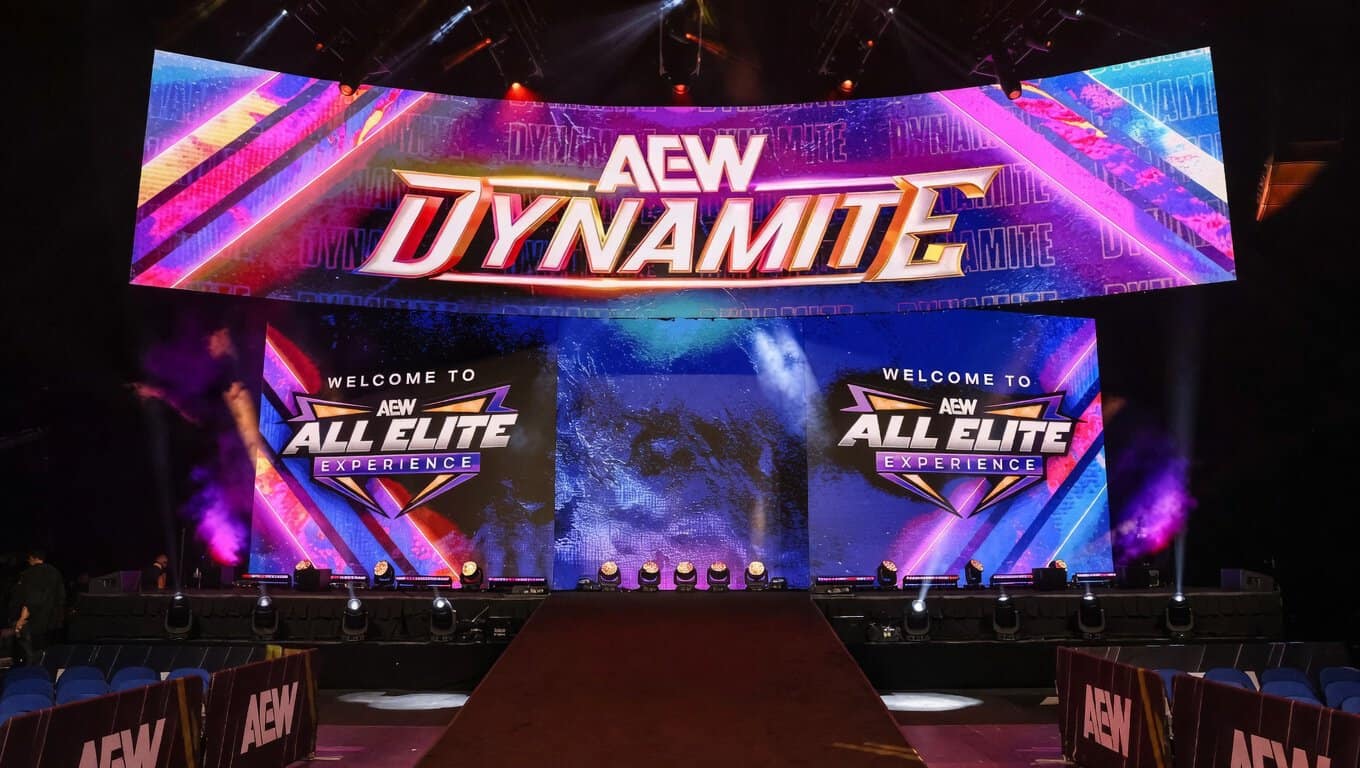
The transition from the WWE release to AEW's inception
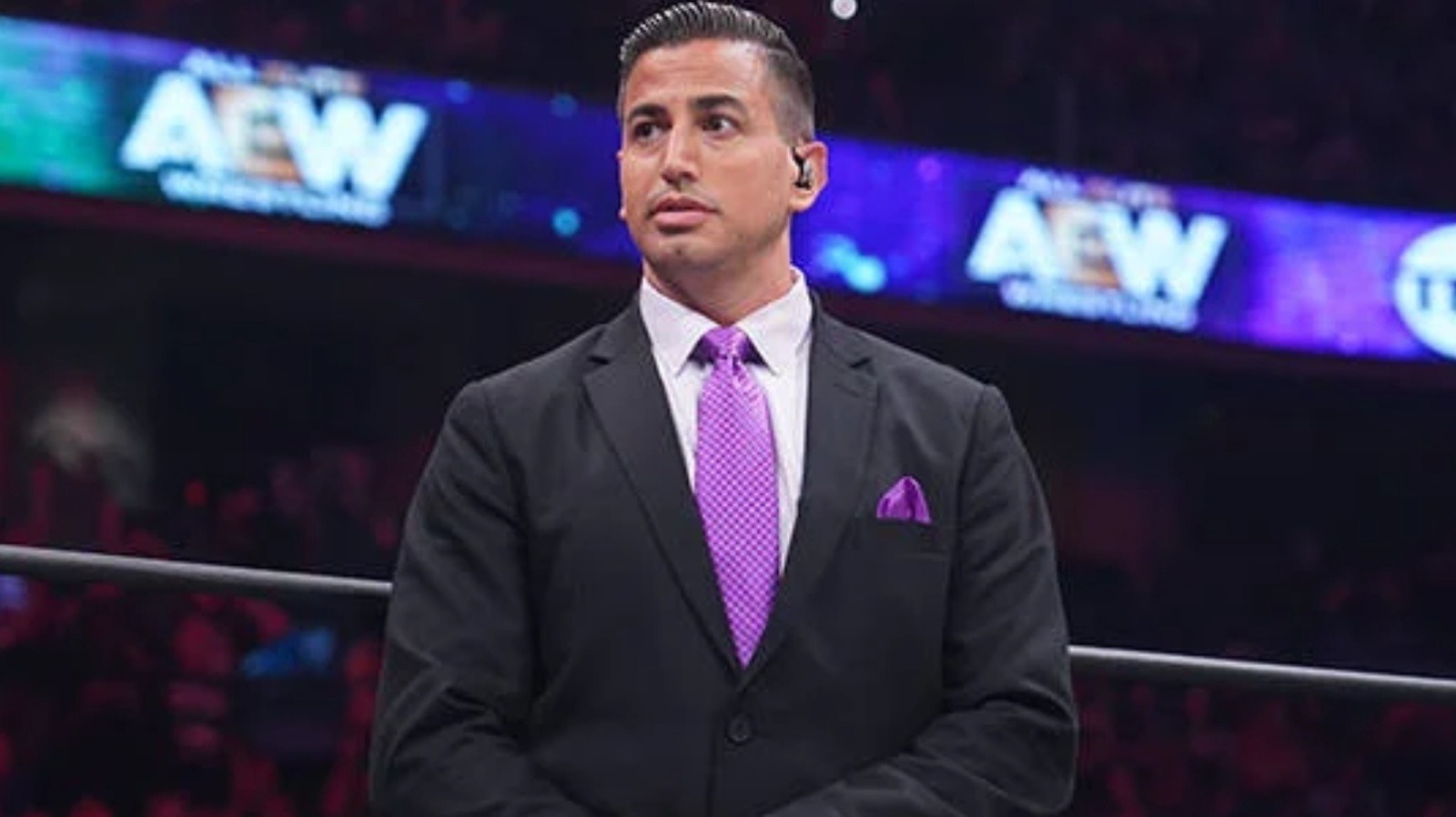
Justin Roberts, the longtime voice synonymous with the arrival of high-profile talent, recently shared the specific sequence of events that led him to join All Elite Wrestling. Speaking on his career transition, Roberts noted the initial lack of clarity surrounding the promotion's formation in 2019. He was effectively a free agent following his departure from WWE, navigating a professional period marked by the same uncertainty currently plaguing the roster's wellness status.
The veteran announcer recalled the process as being entirely speculative before the first official announcements surfaced. He wasn't privy to the long-term broadcasting strategy during those foundational months. This lack of institutional stability is a departure from his tenure in Stamford, where corporate structure dictated every announcement from the curtain jerker to the main event.
Injury patterns across the modern promotion
While Roberts reflects on the company's infancy, the current roster deals with a far more physical reality. The schedule of the modern independent circuit crossover style has led to a noticeable increase in long-term absences. Recent medical data suggests that performers working high-impact, hybrid styles—blending Japanese strong style with American aerial offense—face heightened risks regarding connective tissue damage.
Several talents have entered extended rehabilitation phases throughout the first half of 2026. This trend forces the booking team to pivot storylines on extremely short notice. The reliance on independent contractors who bring established, high-intensity move sets inevitably puts more strain on the body compared to the more conservative house-style performances of the 2000s.
The risk of high-frequency programming
The intensity of weekly television tapings has contributed to a cycle of minor injuries that occasionally spiral. When talent is pushed to deliver recurring high-performance matches, the window for proper physiological recovery narrows. In the case of Konosuke Takeshita, the commitment to work-rate excellence on Collision requires constant maintenance, raising questions about longevity in this specific work environment.
Historically, burnout was managed through lower-intensity house show circuits. The current model forgoes these for intense, high-stakes television content. Industry observers have pointed out that while the quality of product remains high, the cost to human physical capital might be reaching a breaking point. Talent who sustain shoulder or knee issues often try to work through them, leading to secondary compensation injuries that eventually require total removal from the card.
Strategic management of the talent pool
Management must now decide between rotating talent frequently or risking the health of top-tier assets. The current injury tally for 2026 is trending higher than the previous year. If the roster continues to thin due to physical attrition, the ability to maintain storylines with the same consistency as the company's inception will be compromised.
We have seen similar lulls in momentum before when main eventers go down for surgery. The difference now is the sheer volume of matches recorded per month. The administrative team is essentially working a triage unit while simultaneously trying to build new stars. If they continue to prioritize weekly high-octane showcases without accounting for the structural fatigue on the performers, they are looking at a mid-summer crisis regarding card depth.
The reliance on short-term fixes rather than extended rest periods is the primary critique of the current medical approach. While the product is currently hot, the lack of depth will be exposed if more headline talent reports injuries over the next 6 weeks. Managing the physical cost of the industry is as important as the booking itself, yet it remains the most visible flaw in the current operation.