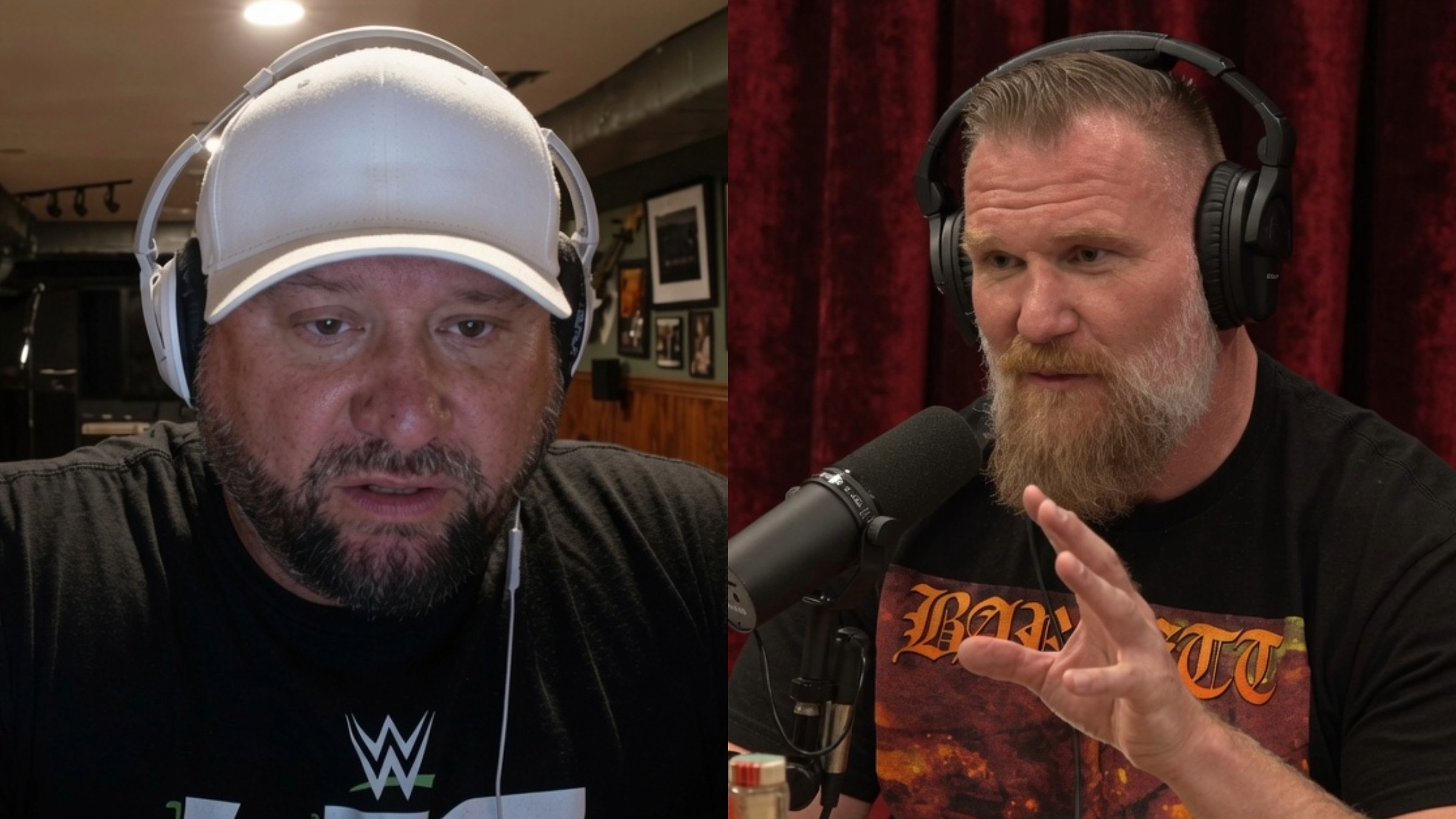
Josh Barnett ending Bloodsport leaves a void wrestling can't fill
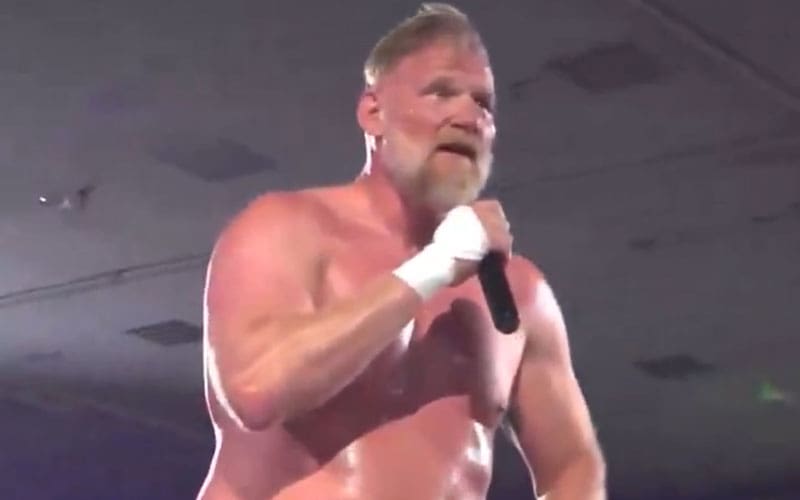
The shockwaves of a quiet exit
The sudden revelation that Josh Barnett is stepping away from his signature event has sent a very real jolt through the independent wrestling scene. According to early reports from Ringside News, the internal reaction wasn't just mild disappointment. The decision reportedly hit wrestlers behind the scenes with genuine, widespread shock.
For years, this event served as the most distinct departure from the standard independent wrestling formula. It wasn't just another booking where talent could trade Canadian Destroyers, hit infinite superkicks, or play to the front row for cheap pops. The ropeless ring was a completely different animal with a uniquely demanding, unforgiving environment.
When you strip away the ropes, the turnbuckles, and the standard rules of engagement, you are left with something entirely raw. That bare canvas became a proving ground for those wanting to test their actual mettle. It is no wonder that the locker room is reeling today from the sudden loss of their most challenging stage.
Tracing the roots of a ropeless revolution
To fully understand the weight of this departure, you have to look back at what the event actually represented to the industry. The concept originally launched under Matt Riddle's name before Barnett took the reins and molded it into his own uncompromising vision. Barnett infused the matchmakers' sheet with his deep, authentic roots in catch wrestling, Pancrase, and the legendary UWFi.
The rules were simple but incredibly restrictive by modern standards. Bouts could only end via knockout or submission. Pin falls were entirely meaningless. Traditional spots like the Irish whip were physically impossible because there were simply no ropes to bounce off.
This strict ruleset forced performers to rely entirely on chain grappling, legitimate submission attempts, and heavy, bruising striking. It demanded a level of realism that modern professional wrestling often actively avoids. For combat-oriented performers, this was the ultimate athletic test.
Wrestlers who had extensive backgrounds in collegiate amateur wrestling, Brazilian Jiu-Jitsu, or professional mixed martial arts finally had a place to showcase those skills. They could do so without compromising their legitimacy for the sake of sports entertainment tropes. It was an unapologetic homage to the shoot-style promotions of 1990s Japan, repackaged perfectly for a gritty American independent audience.
The undeniable Moxley elevation
You cannot accurately document the success of the brand without talking about Jon Moxley. When Moxley walked away from the WWE machine, he didn't just want to bleed in chaotic deathmatches; he wanted to prove his legitimacy on the mat. This ropeless canvas offered him the exact dangerous aesthetic he desperately craved.
Moxley's violent, grounded brawling fit perfectly within the confines of a shoot-style fight. His high-profile, incredibly physical matches against names like Minoru Suzuki and Barnett himself brought an entirely new demographic of fans to the GCW-produced shows. Suddenly, casual fans were watching pure catch wrestling.
These bouts weren't just fun novelty appearances for a bored superstar. Moxley treated these fights with absolute, deadly seriousness. He trained specifically for the format, tightening up his defensive grappling and embracing a grueling, grinding pace that exhausted his opponents.
By lending his massive, undisputed star power to the brand, Moxley elevated the event from a curious niche to an absolute necessity during major wrestling weekends. Fans tuned in because they knew they were getting a violent, stripped-down version of their favorite brawler that existed literally nowhere else on television.
The international bridge of violence
One of the most underappreciated aspects of the Barnett era was how he utilized his international connections to bridge the gap between continents. He didn't just book American independent wrestlers playing a role; he brought in the actual architects of the style from Japan. It provided a level of authenticity that money simply cannot buy.
When Minoru Suzuki walked out to the bare canvas, the atmosphere in the building fundamentally shifted. Suzuki is not a sports entertainer; he is a terrifying, legitimate shooter who helped found Pancrase. Seeing him lock up with American talent in a ropeless environment felt like watching a violent piece of living history.
Barnett also masterfully brought in veterans like Masakatsu Funaki and Hideki Suzuki. These men understand the intricate, painful details of catch wrestling better than almost anyone alive. By placing them against hungry, younger American talent, Barnett created a fascinating generational and cultural clash.
These international imports treated the American independent crowd to clinics in joint manipulation and brutal, unforgiving body strikes. It elevated the entire event from a quirky independent show to an internationally relevant martial arts exhibition. The locker room wasn't just losing a place to perform; they lost a rare classroom taught by the absolute masters of the genre.
A sanctuary for the legitimate combatant
Beyond the established television stars looking for an edge, this stage was a sanctuary for legitimate combat sports athletes trying to find their footing in professional wrestling. Shayna Baszler famously used the platform to remind everyone just how terrifying her catch wrestling pedigree truly is when the restrictive WWE playbook is thrown out.
Tom Lawlor quickly became an absolute staple of the brand, blending his undeniable charisma with his extensive UFC background. He became the perfect, sneering ambassador for Barnett's grueling vision. Marina Shafir, Timothy Thatcher, and Simon Grimm all found a home where their heavily mat-based styles were celebrated rather than diluted by commercial expectations.
Even performers you wouldn't expect to thrive in a shoot-style environment found fascinating ways to adapt to the limitations. We saw dedicated high-flyers ground themselves and wild brawlers attempt to intelligently chain wrestle. The format forced immense creativity through absolute, unforgiving restriction.
The locker room shock reported today makes perfect, logical sense when you consider how incredibly rare these opportunities are. Where else can a grappler go to wrestle a pure, unadulterated shoot-style match in front of a loud, engaged American crowd? The answer, at least for now, is nowhere.
The undeniable cracks in the canvas
Yet, it would be journalistically dishonest to pretend the format was absolutely flawless. While the emotional highs were incredibly high, the event frequently struggled with severe inconsistency. The fatal flaw was always the depth of the talent pool available on the independent circuit.
When you put two wrestlers in a ropeless ring who do not actually know how to fluently chain wrestle or throw convincing, heavy strikes, the illusion falls apart immediately. The format exposes untrained pretenders with brutal, unflinching efficiency.
We saw cards where the pacing dragged painfully into boredom. Awkward, slow-motion grappling exchanges often looked less like a genuine athletic contest and more like two confused performers struggling to remember what to do next. When the strikes lacked snap and intent, the entire presentation felt like a cheap imitation of MMA.
Furthermore, the lack of ropes occasionally led to frustrating logistical nightmares. Matches would frequently spill outside the ring, turning what was supposed to be a pure combat exhibition into a messy, uncoordinated brawl on the floor. The strict ruleset sometimes boxed performers into a creative corner they simply couldn't wrestle their way out of.
There were absolutely shows where the sheer novelty wore entirely thin by the fifth match. Watching four straight hours of endless submission attempts requires an incredibly invested, caffeinated crowd, and sometimes the audience simply checked out. Barnett's uncompromising vision was brilliant conceptually, but it was rarely entirely watchable from start to finish.
The grinding business of niche wrestling
Running a specialty event like this is inherently and notoriously difficult. The independent wrestling market is heavily crowded, fiercely competitive, and constantly shifting based on viral trends. Trying to maintain a specialized, gimmick-heavy show year after year takes an enormous financial and creative toll.
A promoter has to constantly cycle in fresh talent who can actually work the demanding style safely. You have to convince fans that this specific iteration of the show is different and more vital than the last three. It is a massive logistical headache that rarely yields a massive profit margin.
Perhaps Barnett simply felt he had done all he could possibly do with the concept. He brilliantly built it from an intriguing side attraction into a heavily anticipated main event brand. He brought in absolute legends of Japanese wrestling and paired them seamlessly with modern American independent stars.
There is a natural, unavoidable lifespan to these passion projects. Knowing exactly when to step away is a rare skill that very few in the wrestling industry possess. If he feels the concept has finally run its course under his direct guidance, walking away now permanently preserves its sterling legacy.
What comes next for the shoot-style underground
The immediate, pressing question is what Game Changer Wrestling will do with this newly vacant spot on their calendar. They technically own the broader canvas, even if Barnett brought the specific, undeniable credibility. Do they bravely attempt to launch a successor brand under a different banner?
Running a ropeless, shoot-style show without Barnett's legendary name attached carries significant, immediate risk. He was the vital filter, the expert matchmaker, and the legitimate face of the entire operation. Without his heavy seal of approval, dedicated fans might immediately reject a watered-down, corporate imitation.
For the talent sitting nervously in the locker room right now, this strongly marks the end of a very specific era. The reported shock stems entirely from the realization that one of their most reliable, unique, and challenging creative outlets has just unexpectedly closed its doors.
We might hopefully see elements of the style bleed back into standard television promotions. Both major national companies have shown an increased willingness to incorporate heavy striking and technical grappling in recent years. But a full, dedicated card committed exclusively to the art of the tap-out? That might be gone for good.
The lasting, brutal impact of the experiment
Ultimately, Barnett's defining run proved that professional wrestling absolutely does not have to be a boring monolith. The modern audience is smart enough and patient enough to genuinely appreciate drastically different interpretations of the sport.
It forced us to look at the ring not as a bouncy trampoline, but as a dangerous mat. It reminded us that a simple, perfectly applied Kimura lock, cranked with actual torque and bad intent, can be drastically more dramatic than a flashy dive from the top rope.
The news dropping today is a massive blow to the health of the independent scene. The specific void left behind is massive, and it is highly unlikely anyone else has the hard-earned credibility to step in and adequately fill it.
Wrestlers are rightfully shocked because they know exactly what they have lost. Fans should be equally, if not more, disappointed. The weird, wonderful, and violently beautiful experiment has ended, leaving behind a proud legacy of broken rules, shattered expectations, and battered limbs.
Young Bucks: Killing the Business from Backyards to the Big Leagues
The definitive story of how two brothers helped launch AEW and changed the indus
Frequently Asked Questions
Why are wrestlers shocked by Josh Barnett's departure?
What rules made Josh Barnett's wrestling event unique?
Who originally started the ropeless wrestling event concept?
How did the ropeless ring impact modern wrestling matches?
Why was Jon Moxley successful in this shoot-style format?
More Coverage
Scenic City Invitational proves the indies are doing just fine
49 minutes ago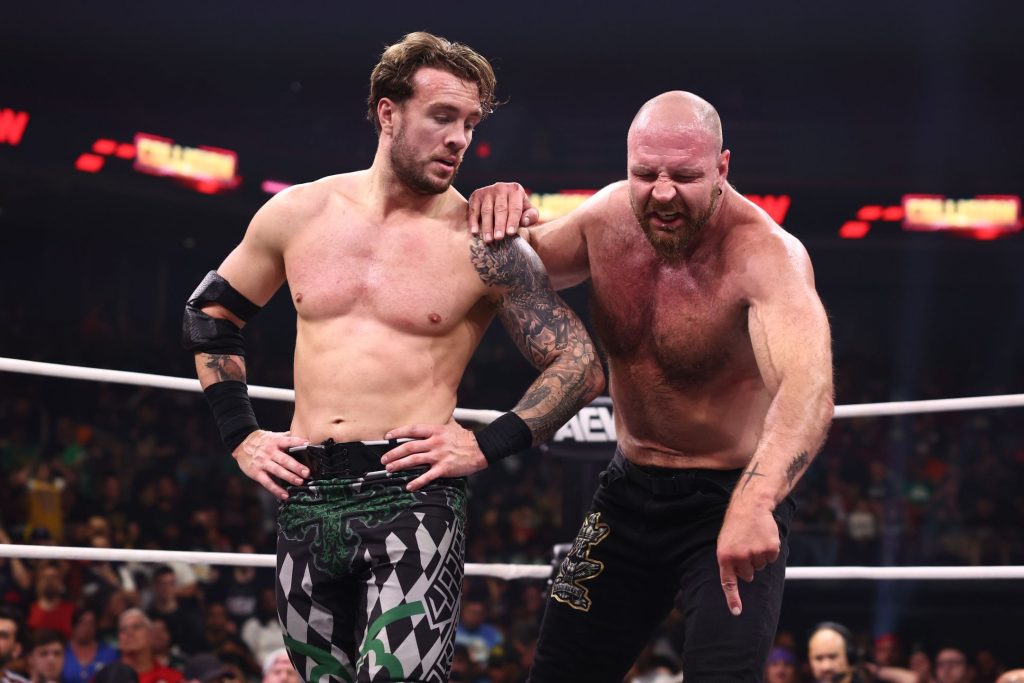
Jon Moxley and the relentless grind of the modern nomad
9 hours ago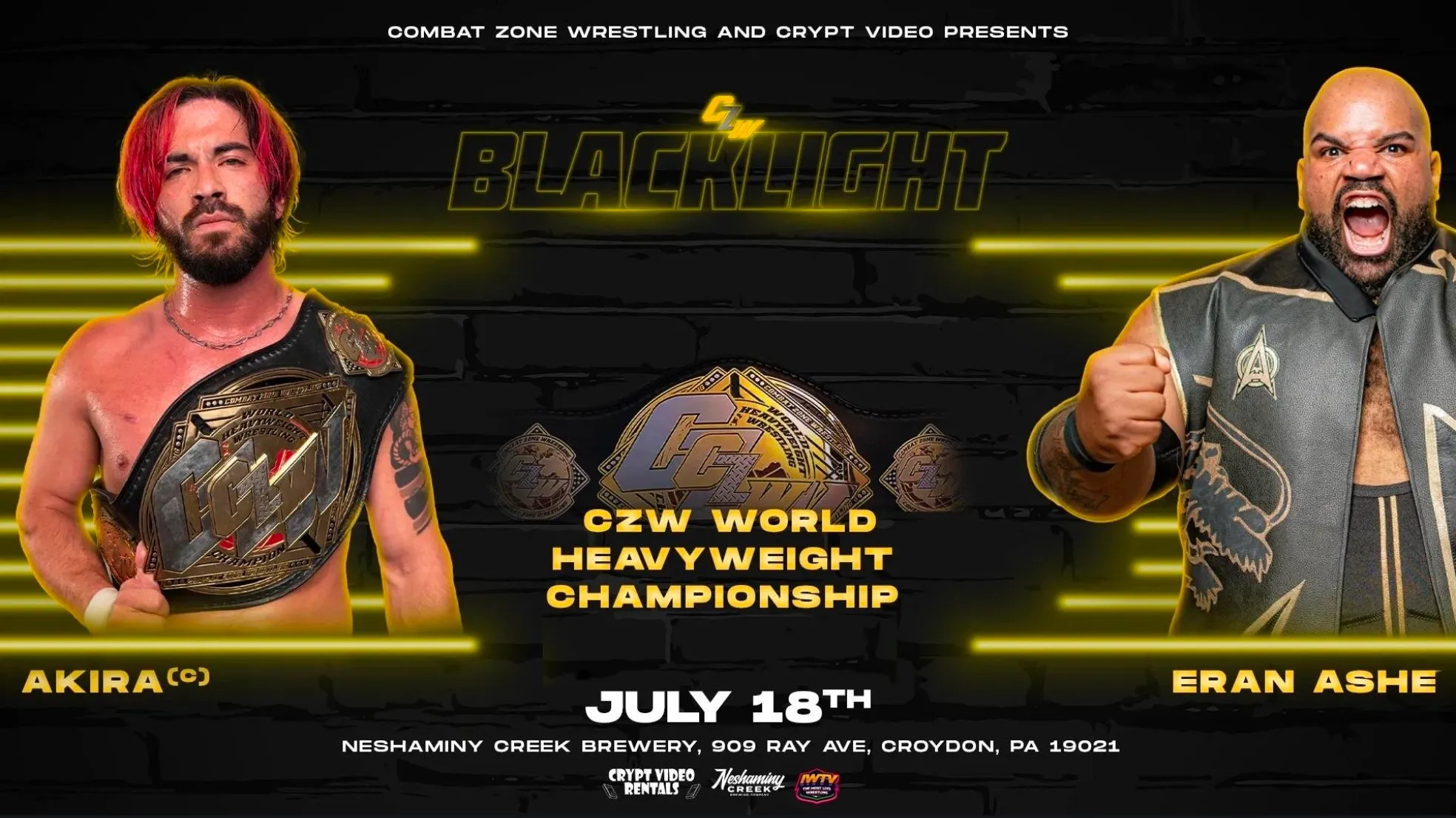
CZW is missing the mark in the post-deathmatch landscape
20 hours ago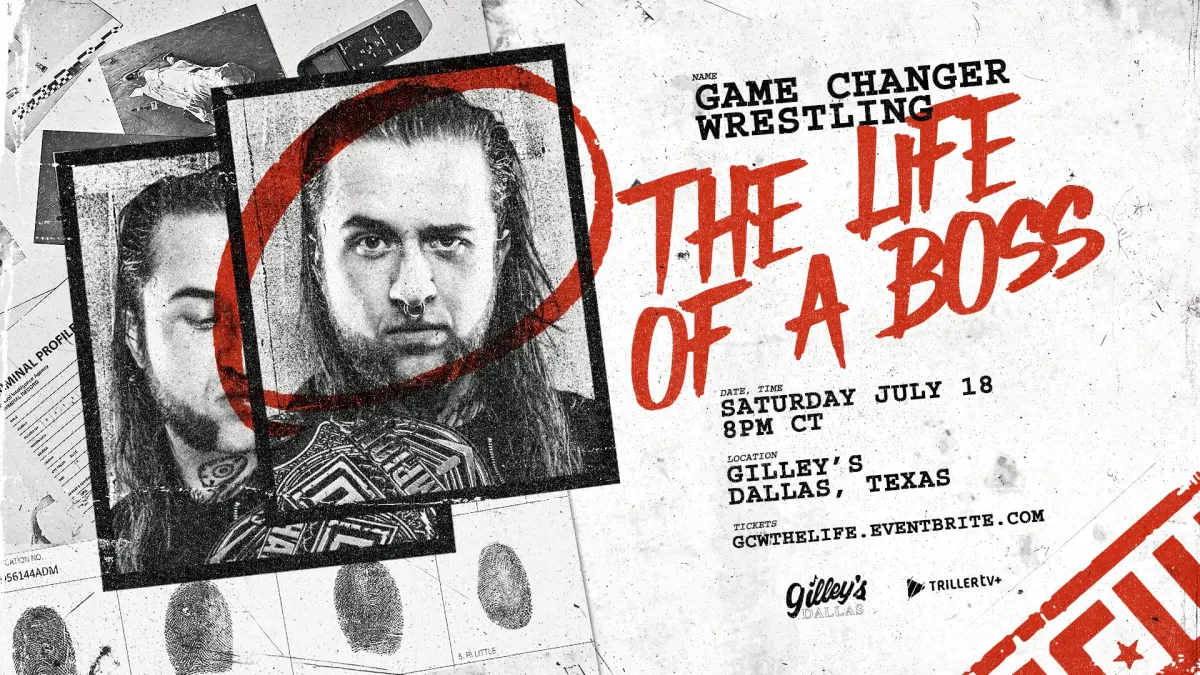
GCW 'Life of a Boss' in Dallas was a chaotic, beautiful mess
20 hours ago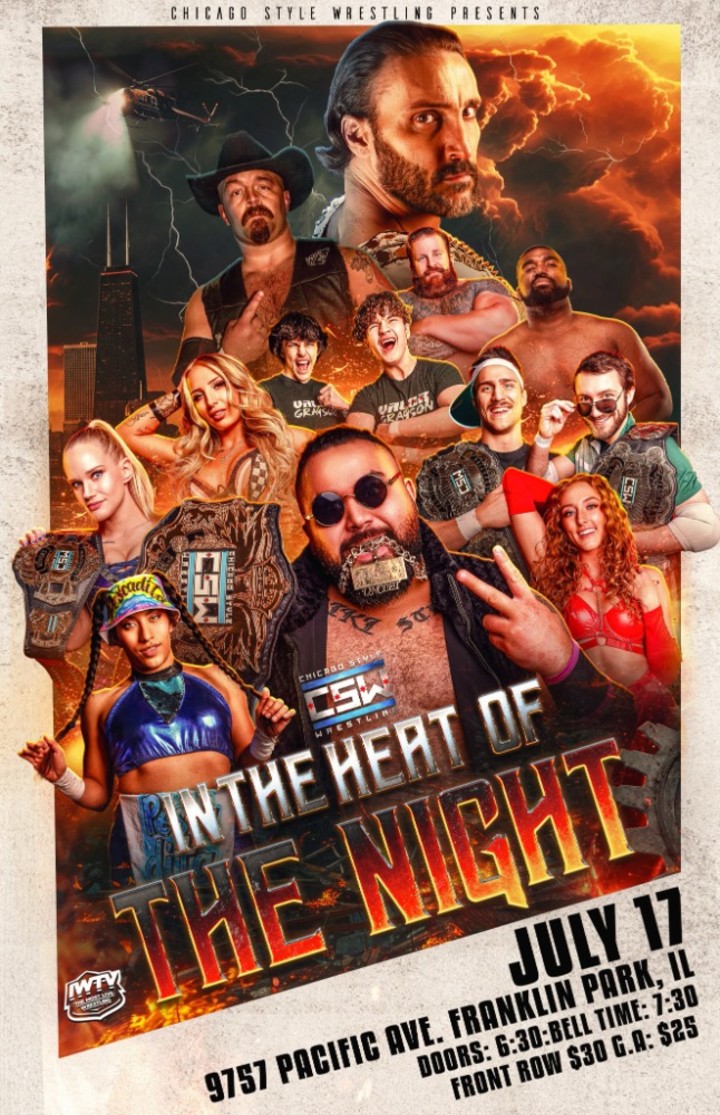
Chicago Style Wrestling ignored the basics and it showed
1 day, 15 hours ago
Chicago Style Wrestling proves indie grit still lives in Franklin Park
1 day, 15 hours agoMore Analysis
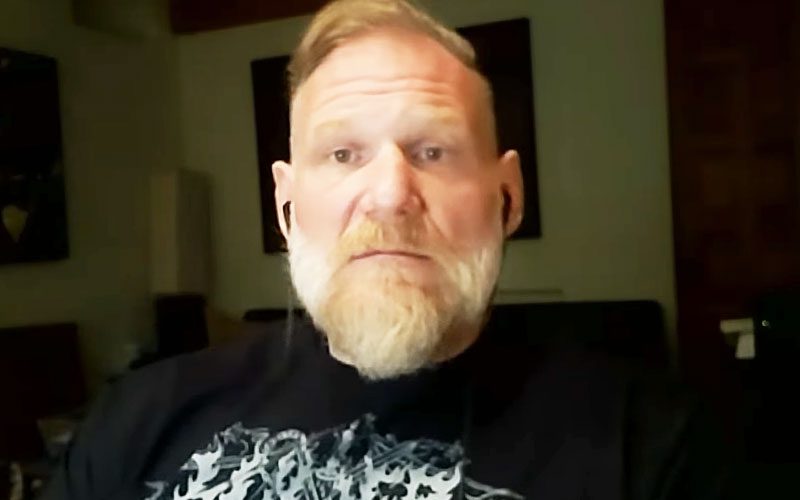
Josh Barnett pulling the plug on Bloodsport is a kick to the teeth
2 months, 4 weeks ago
Insufficient Data for Statistical Analysis
2 months, 3 weeks ago
Shayna Baszler could be eyeing a full-time return to the independent circuit
3 months ago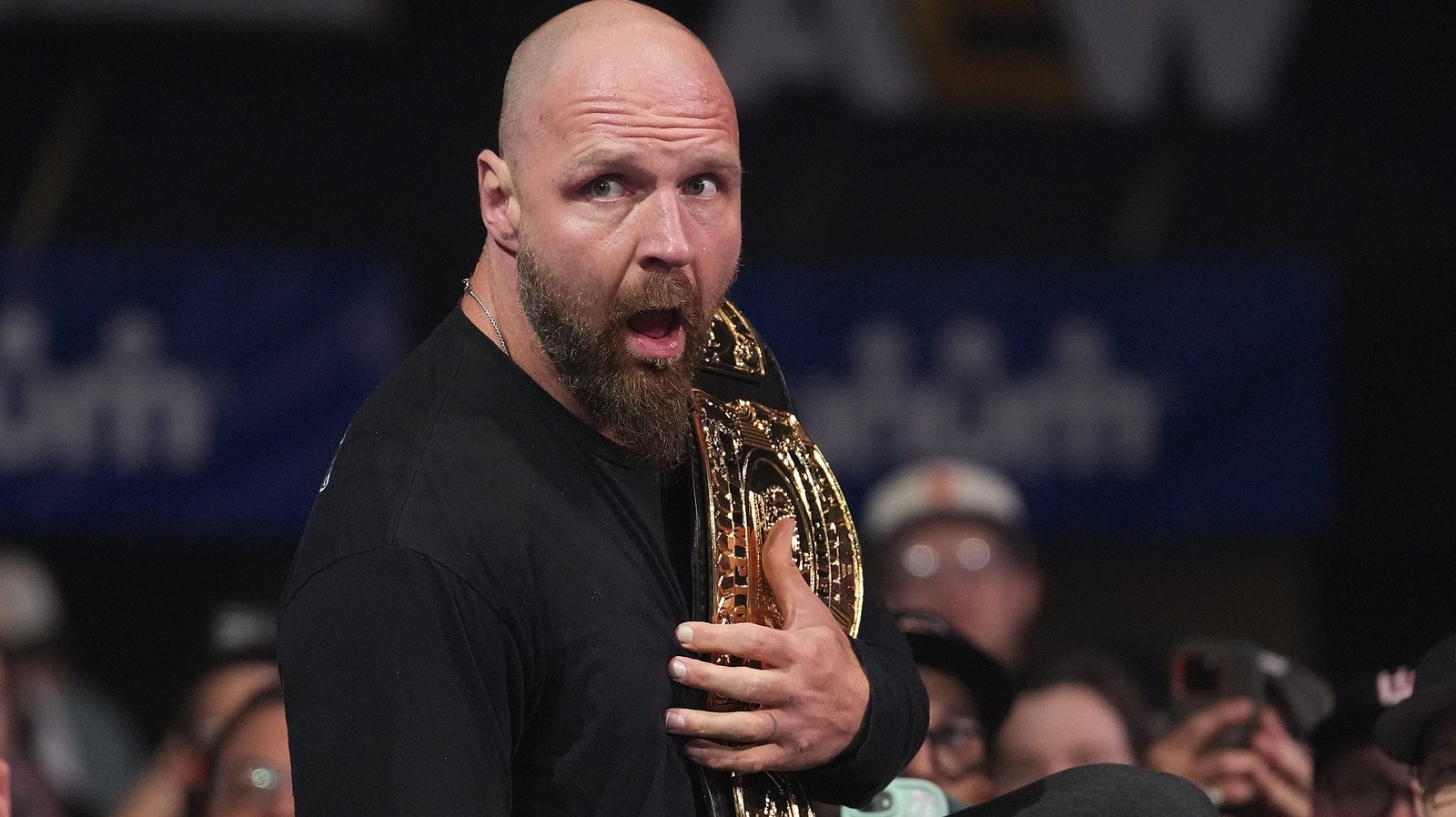
The Bully Ray versus Josh Barnett feud is about more than just trash talk
3 weeks, 6 days ago
Why a legit fight between Josh Barnett and Bully Ray is a bad idea
3 weeks, 5 days ago