Cena and the Backlash uncertainty
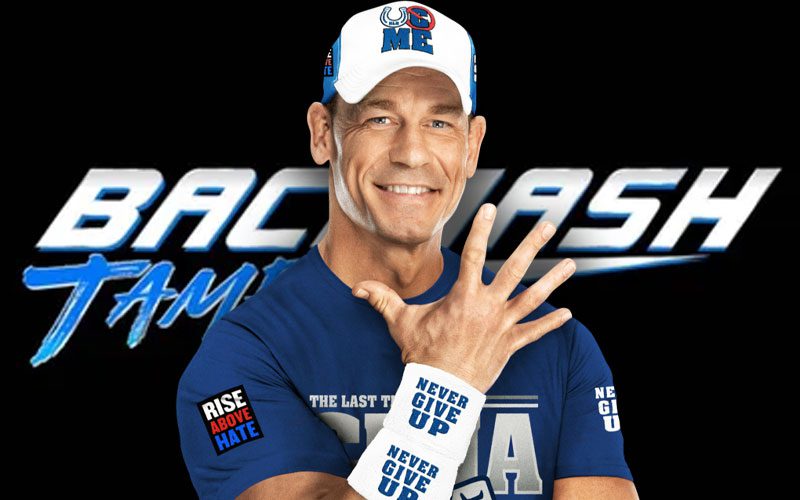
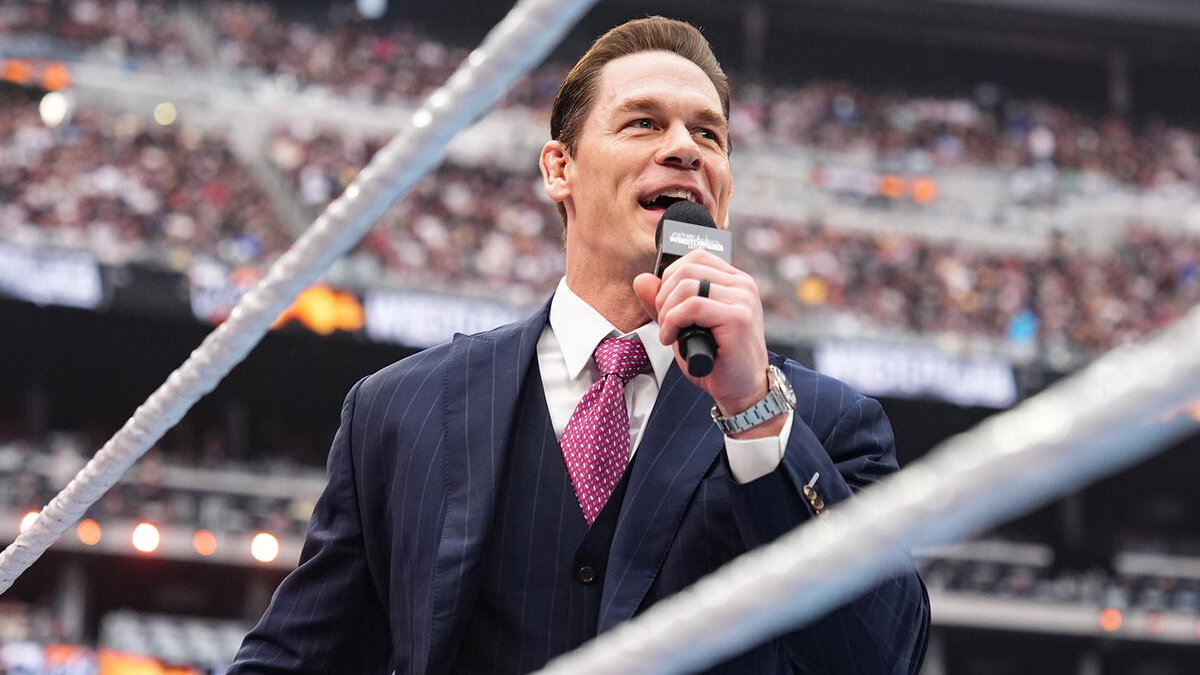
John Cena is officially on the radar for WWE Backlash, which hits on May 9, 2026. Internal chatter at PWInsider indicates that his involvement remains fluid. While his presence would be a massive draw for the premium live event in four days, booking plans are notoriously subject to change until the final hour.
This uncertainty follows a recent period of focus on the veteran's career impact. Reports earlier this year highlighted his standing as one of the most famous figures in professional wrestling globally, according to data from Dave Meltzer. Despite his part-time status, his ability to influence ticket sales for events like Backlash is unmatched in the current roster.
The historical shadow of the Last Time Is Now tournament
Cena’s name has dominated headlines recently, largely due to the tournament billed as The Last Time Is Now. That event served as a focal point for nostalgia, drawing performers like Matt Cardona back into the company conversation. Cardona recently detailed the administrative shifts involved in returning to his former moniker, Zack Ryder, for that specific bracket.
The tournament underscored a recurring issue with WWE's current booking strategy: an over-reliance on established legends to drive temporary engagement. While the return of former talent generated short-term buzz, it left newer stars struggling to define their own territory. Critics point to the disconnect between the push of legacy acts and the ongoing development of the younger roster.
The cost of historical booking trends
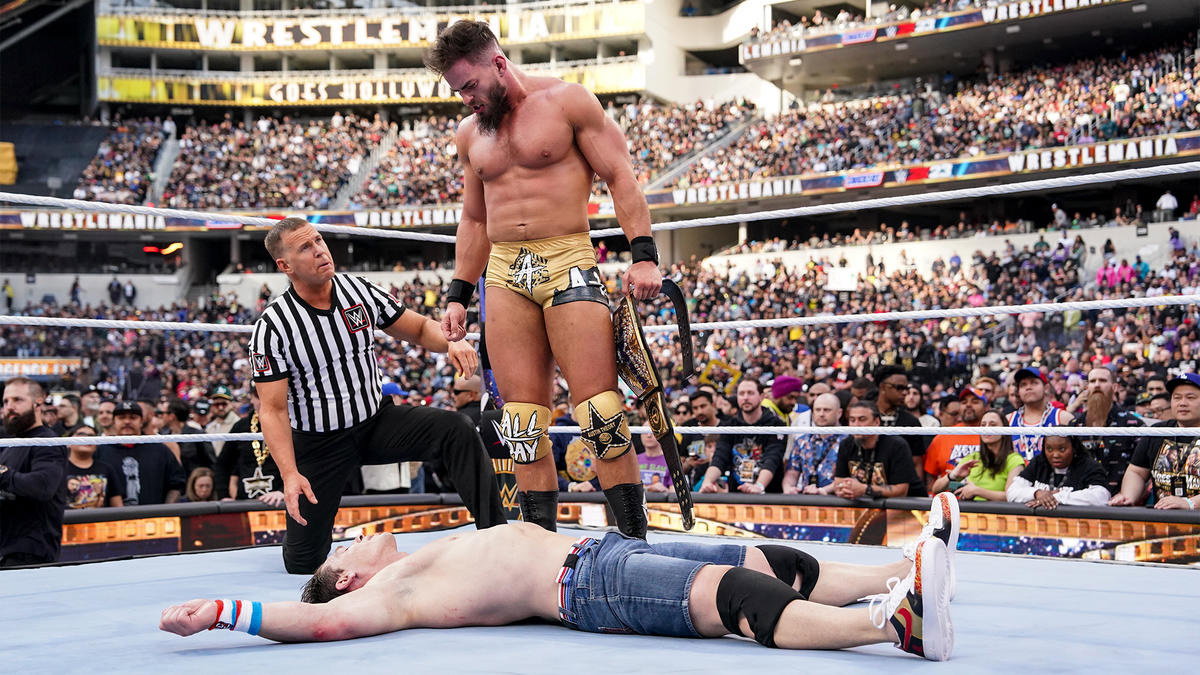
The reliance on Cena-adjacent content was perhaps most visible during Austin Theory’s ascent. Theory famously defeated his childhood hero at WrestleMania 39, a career-defining beat. However, since that victory, the momentum for Theory has been inconsistent. Analysts note that beating a legend is only effective if the company sustains the push afterward, a phase where the booking team has occasionally stumbled.
This trend creates a difficult environment for competitors like Theory or others in the World Tag Team division. They are frequently tasked with carrying the television product on a weekly basis, only to have their narratives overshadowed by the arrival of an icon during the go-home shows for major events like Backlash.
Strategic implications for the Road to Double or Nothing
With WrestleMania 42 not on the horizon and the promotion focused on the next three weeks leading into Double or Nothing, the stakes for Backlash are high. If Cena does appear, the objective is likely to bridge the gap between casual viewers and the hardcore base invested in the upcoming tournament cycle. Yet, if he fails to appear, the writers must rely on the mid-card depth they have struggled to prioritize all spring.
The competition is currently playing the long game while WWE navigates the immediate commercial pressure. Every decision made on May 9 affects the trajectory toward the end-of-month shows. If the company chooses to hold Cena back, they risk a flat response from a crowd expecting star power. If they rush him into a spot without a clear, long-term story, they risk repeating the errors of the previous championship cycle.
History suggests that fans prefer high-stakes outcomes over surprise cameos that lack follow-through. When Cena returned for the tournament, viewership saw an initial spike followed by a decline once the novelty wore off. Management is likely weighing this pattern before finalizing the scripts for this Friday's broadcast. Their ability to balance legacy performers with a stagnant mid-card will define the success of their mid-year revenue targets.
As it stands, we are waiting on confirmation of flight schedules or creative cues from Stamford regarding his participation. Whether he enters the arena or not, the reliance on these legends for Backlash highlights a broader lack of confidence in the current secondary feuds heading into the summer schedule.
Read Next
- Top 10: John Cena's Defining Moments
- Oba Femi's Backlash Open Challenge Is A Dangerous Game
- Jacob Fatu Has Arrived, And The Bloodline Will Never Be The Same
- Finn Bálor vs JD McDonagh is the Irish civil war Raw desperately needs
- 🏆 WrestleMania 41 — Full Coverage Hub
- 💥 WWE Backlash 2026 — Full Coverage Hub
- 👴 John Cena Retirement Tour 2026