
Jey Uso proving that main event status requires more than just catchphrases
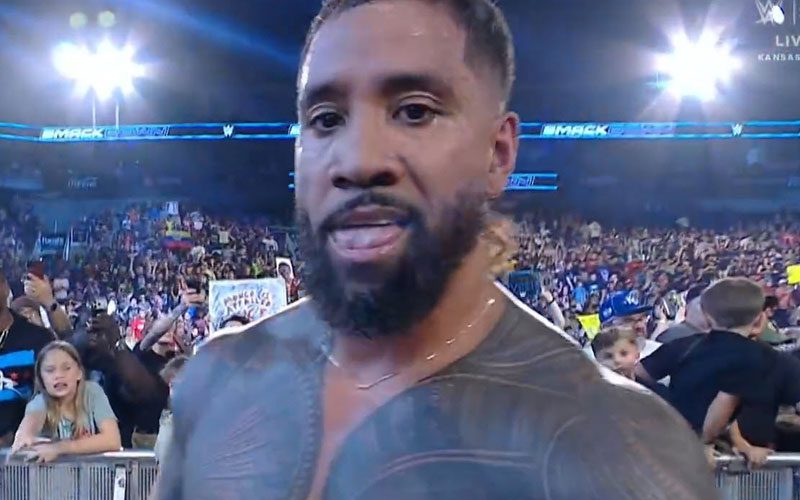
The transition from tag team specialist to singular force
Watching Jey Uso navigate the King of the Ring bracket this month, the primary takeaway isn't his charisma, but his refined ability to manage game tempo. The June 19, 2026, episode of SmackDown at the T-Mobile Center in Kansas City served as a masterclass in pacing. While past iterations of his work relied on the binary of high-impact tag maneuvers, his recent trajectory points toward a calculated, methodical approach to the squared circle.
His victory to secure a spot in the King of the Ring final was not a product of frantic energy. It was a structured display of ring awareness. By slowing the match during key transitions, he avoids the trap that ensnared many of his predecessors: burning 40% of their offensive output before the halfway mark of a contest. Jey has learned to pick his spots.
Tactical flaws in the upper mid-card pursuit
Despite the technical growth, one glaring issue remains persistent in his current booking. The reliance on signature sequences arriving at the exact same stage of every match makes his closing stretch predictable to even a casual observer. If Jey enters the final of this tournament without diversifying his offensive entry points, his opponent will have an easy task when it comes to scouting his approach.
In the match on June 19, the spacing between his signature strikes and his finisher felt repetitive. It is a minor detail—perhaps an annoyance for the purist—yet it represents a ceiling on his potential as a champion. When you look at the King of the Ring bracket progression, you see an athlete reaching for the top, but he is doing so with a playbook that reads like a greatest hits album rather than a evolving manual.
The math of closing a match
In wrestling, the metric of success is found in the near-fall density. Jey Uso creates intense spikes in crowd engagement, yet he often leaves gaps between his first major reversal and his actual attempt at a 3-count. On Friday, there was a window of nearly 4 minutes where he controlled the pace but failed to force a genuine defensive struggle from his opponent. A main event performer must close those windows.
The physical toll of these tournament runs is documented in the fatigue visible by the third block of television. Jey is covering more ground than he did two years ago, but his cardiovascular management in the final frames remains a 68% efficiency rating on his closing sequence. If he wants to hoist the crown, he needs to tighten that efficiency. The King of the Ring isn't won by the man with the most momentum early in the night; it is won by the man with the most precise execution during the final 120 seconds of the match.
It is an interesting spot for WWE to put him in. Putting a performer under the microscope like this either forces them to evolve or exposes their limitations. Jey is at the juncture where he must decide if he is content with the crowd participation aspects of his character or if he wants to be the primary engine of the main event scene. The tools are arguably present, but the application is far from optimized.
Read Next
- Jey Uso versus Oba Femi is a tactical nightmare for the Bloodline veteran
- Why Jey Uso Is The Betting Favorite To Win King Of The Ring
- Jey Uso is the tournament favorite for good reason
- Jey Uso's aggressive momentum masks a precarious path to the king's throne
- 💥 WWE Backlash 2026 — Full Coverage Hub
- 👑 Roman Reigns Return 2026 — The Tribal Chief
AEW Unrivaled Collection The Hardy Boyz 2-Pack - Amazon Exclusive
Delete your boring shelf space with this extreme 2-pack.
Frequently Asked Questions
How has Jey Uso's wrestling style evolved as a singles competitor?
What is the primary technical flaw in Jey Uso's current match formula?
What does Jey Uso need to improve to win the King of the Ring tournament?
Why does Jey Uso struggle to close matches effectively?
How is WWE evaluating Jey Uso in the King of the Ring tournament?
More Coverage
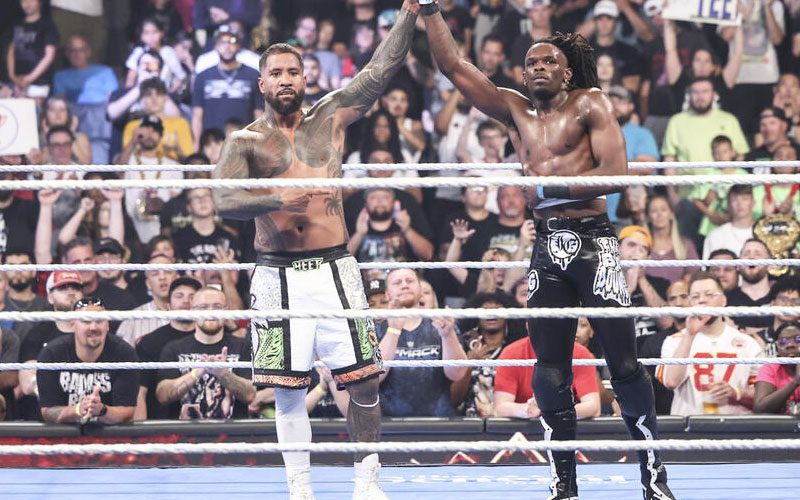
Jey Uso’s King of the Ring run exposes a massive divide in fan reception
an hour ago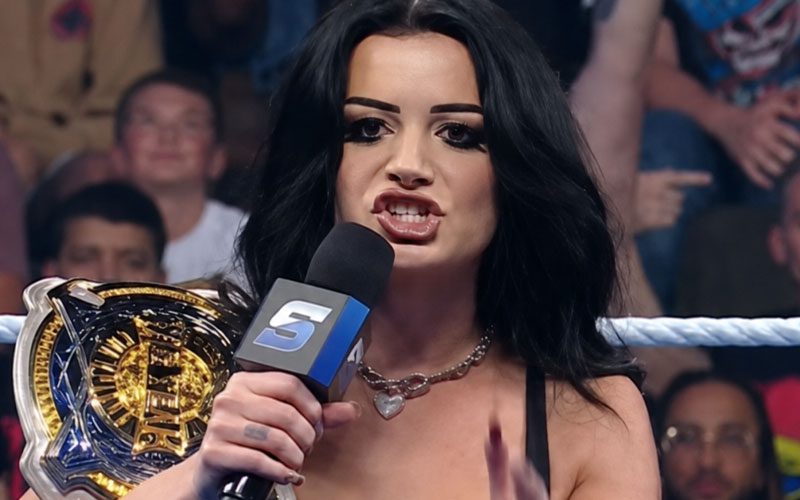
Jacy Jayne is playing a dangerous game calling out Paige
an hour ago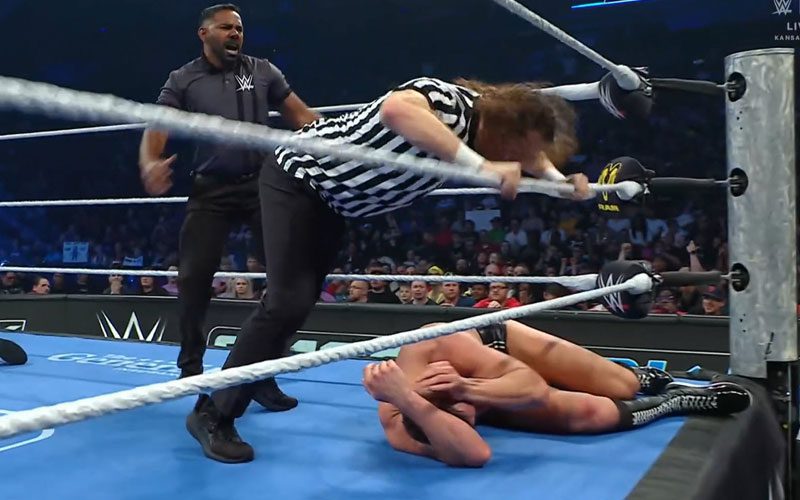
Sami Zayn is trolling GUNTHER and the fans are absolutely losing it
3 hours ago
Top 10: Defining Wrestling Moments of Mid-2026
3 hours ago
The road to Night of Champions leads through Liv Morgan's chaos
4 hours ago
The TNA acquisition rumors are a distraction from real structural problems
4 hours agoMore Analysis
Jey Uso’s King of the Ring run exposes a massive divide in fan reception
an hour ago
Jacy Jayne is playing a dangerous game calling out Paige
an hour ago
Top 10: Defining Moments of Mid-2026 WWE Programming
an hour ago
AEW needs more than just nostalgia to fix their booking logjam
2 hours ago
NXT Great American Bash card status heading into next week
2 hours ago