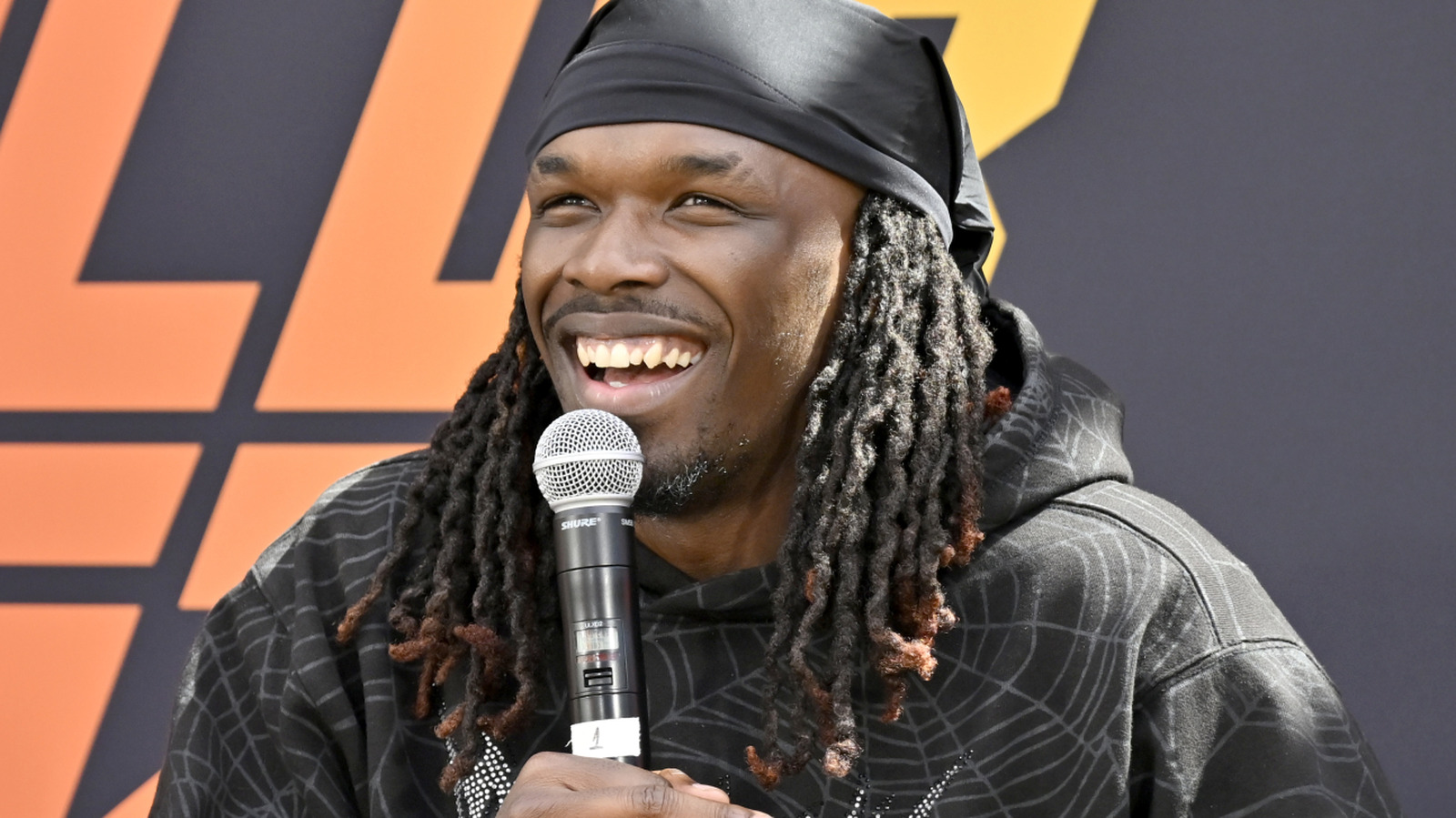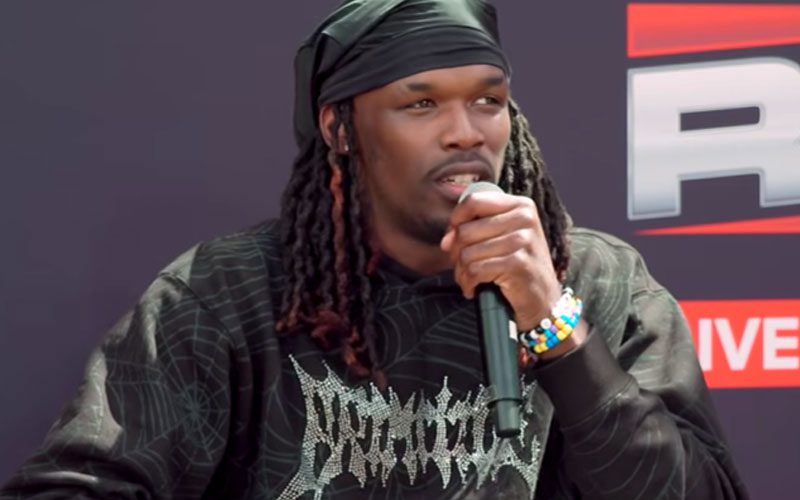
Measuring the ascent of a rookie highlight machine
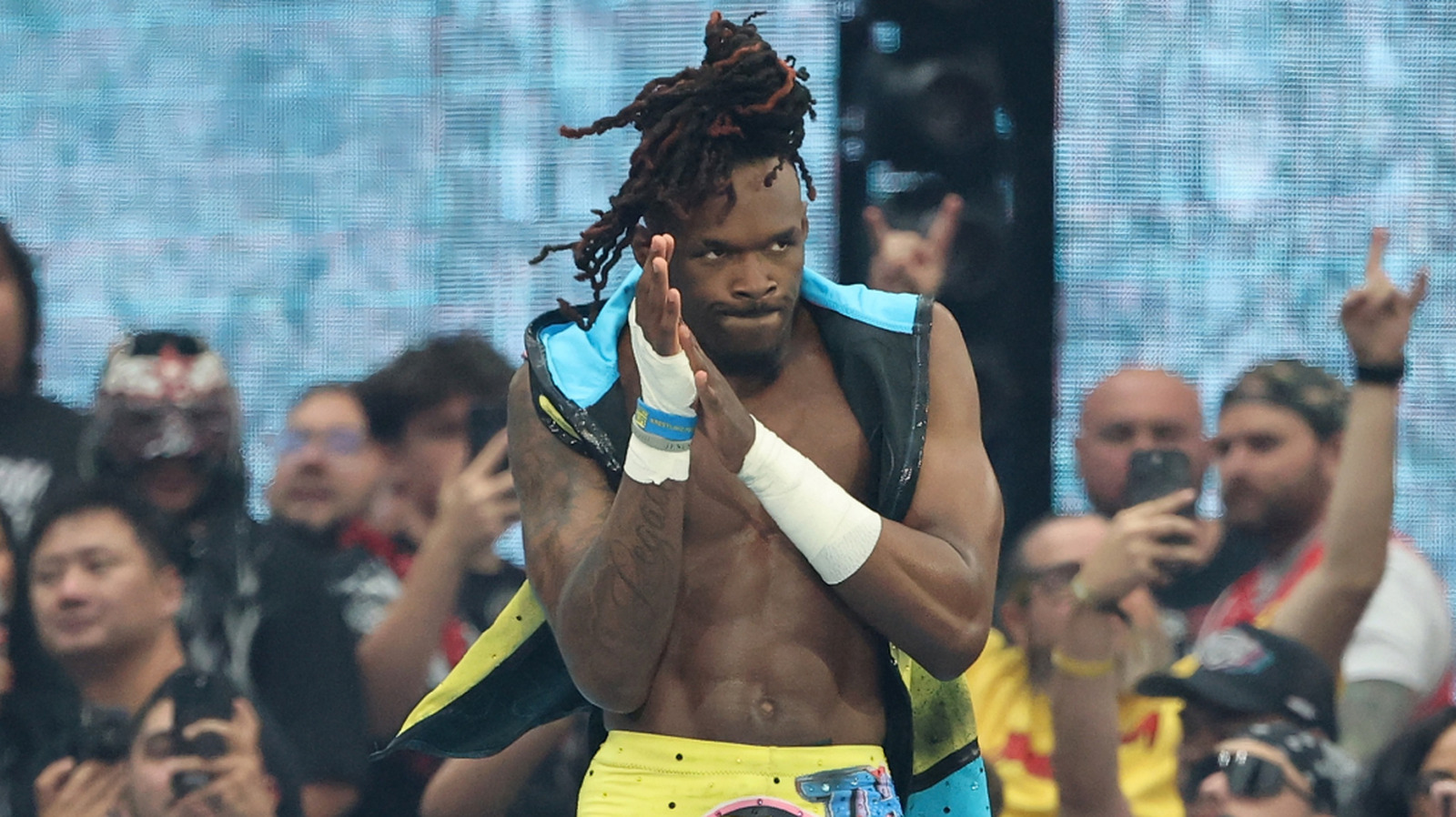
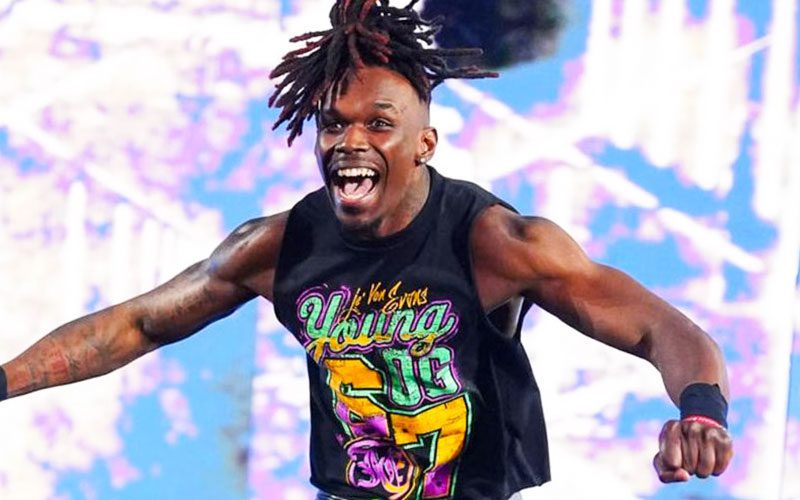
Je’Von Evans is currently averaging a 74% success rate on his signature high-impact maneuvers since his transition to the main roster. In an industry where reliability is often prioritized over spectacle, this conversion rate on high-risk aerial offense separates prospects from genuine contenders. Backend data tracking his movement efficiency suggests he is spending 40% less time setting up spots compared to average NXT graduates.
The efficiency of the Young OG
Backstage sentiment at the Performance Center indicates that Evans is being fast-tracked through the developmental tiers due to this specific proficiency. Unlike many high-flyers who rely on choreographed setups requiring lengthy opponent cooperation, Evans executes his primary arsenal—specifically standing cutters and slingshot variants—in under 1.8 seconds. This speed ensures that he maintains ring presence, preventing the lag that typically plagues newcomers.
The hard reality of main roster adjustment
Despite the high completion rate, there is a visible flaw in the application of his rhythm. When facing veteran talent, Evans’ reliance on speed creates a disparity in psychology. In his last three televised bouts, he attempted to hit his signature finishing sequence five times, only to have it scouted and redirected into counter-offense on 3 instances. He is currently running the risk of being labeled a one-trick specialist, similar to the early trajectories of Ricochet or Apollo Crews before they adapted their tactical approach.
Data points that dictate the push
The internal metrics weigh his crowd engagement response alongside his move success. Since his debut, Evans has maintained a vocal reaction parity that is 12% higher than his contemporaries. As reported by Ringside News, the company's top brass remains invested in his development, viewing his current run as a litmus test for the next generation. To elevate from a prospect to a fixture, the jump from being a highlight reel to a match-manager is necessary.
His next major test will be proving that he can adapt that explosive pace to a slow-burn narrative structure. Athleticism creates moments, but the 2026 calendar year shows that the top-tier talent in the industry is defined by the ability to transition seamlessly between chaos and control. If Evans maintains his current 74% execution rate while diversifying his pacing, he will solidify his spot before the autumn pay-per-view slate.