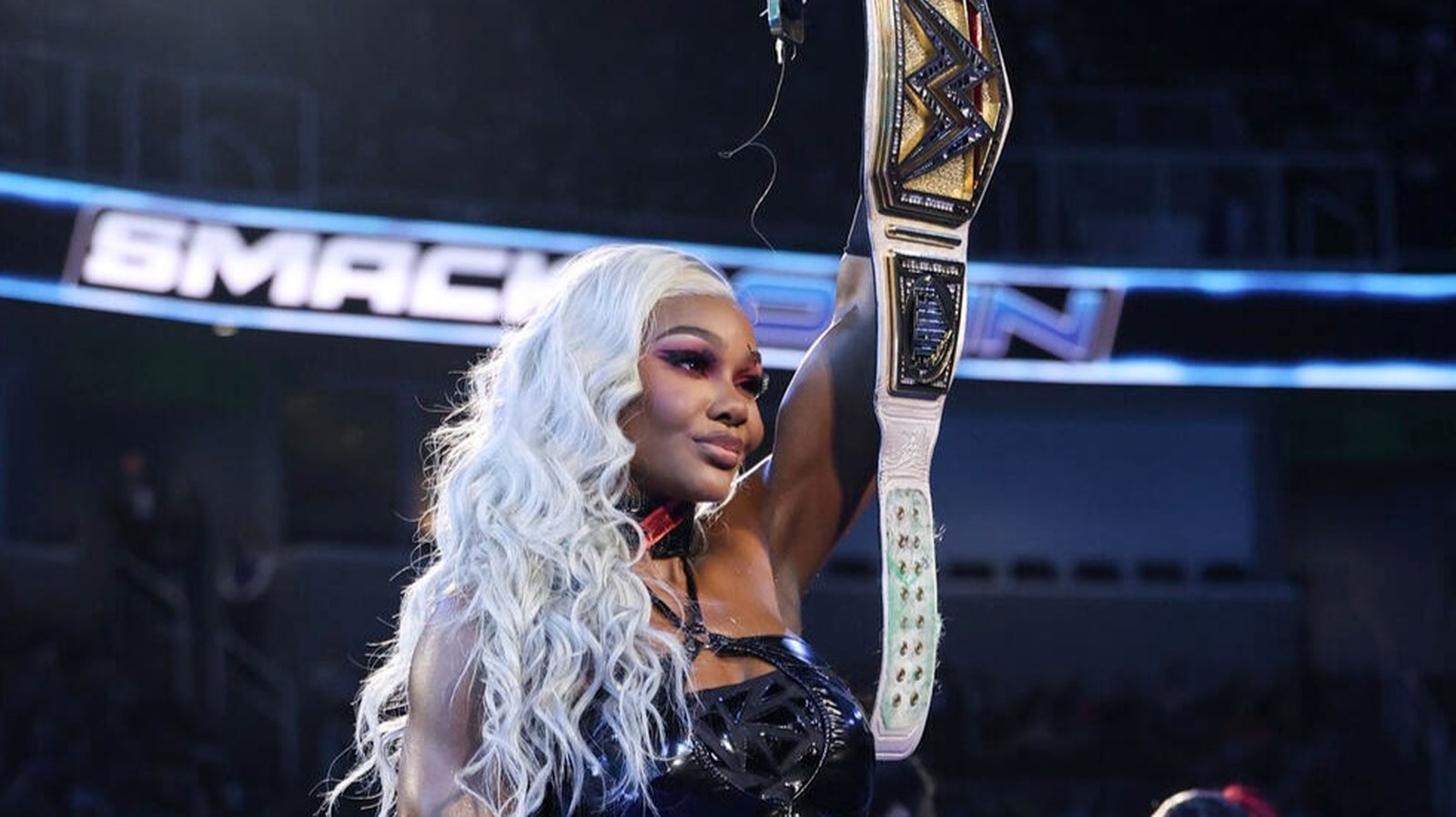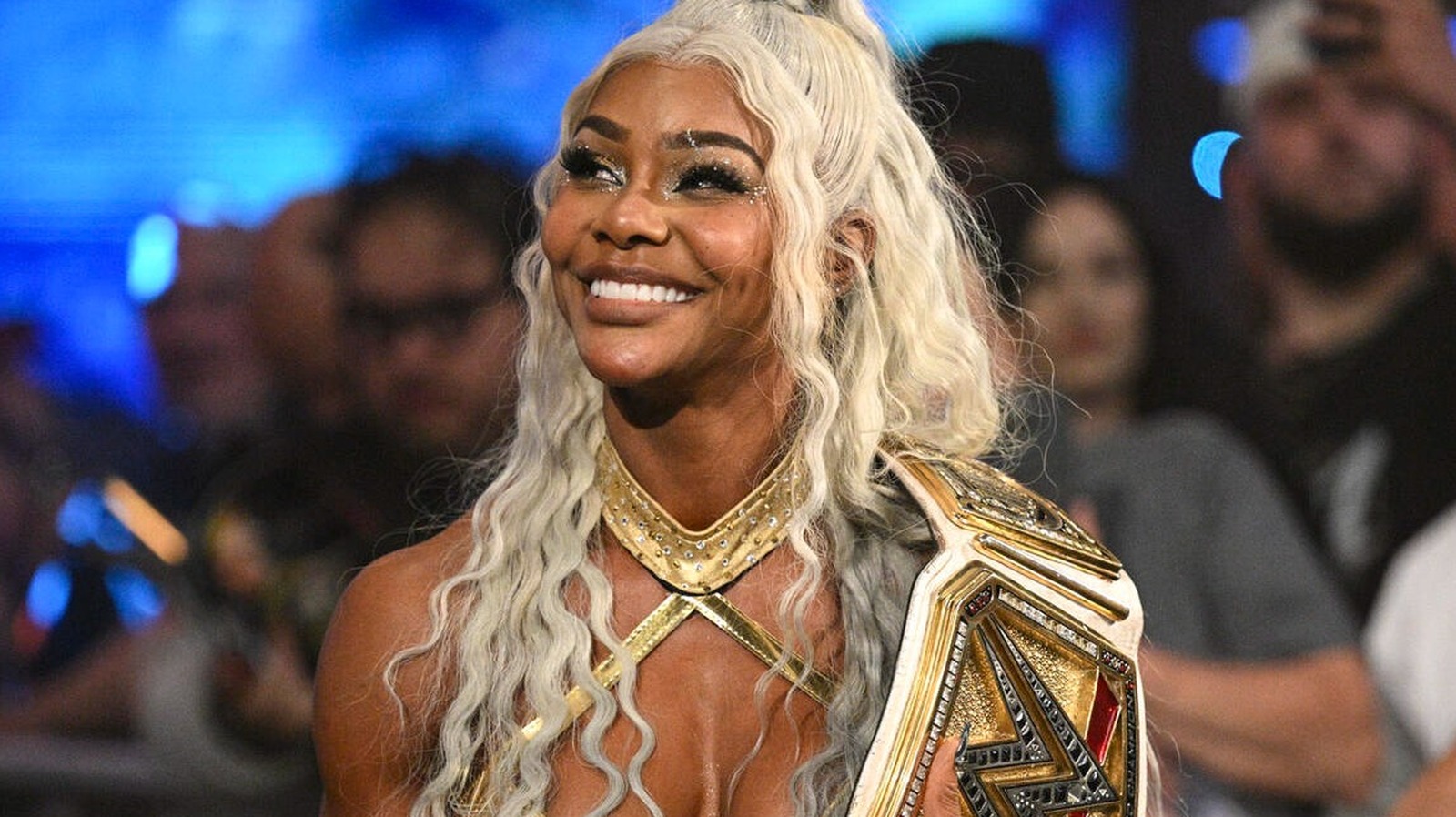
The Collision Course in Las Vegas
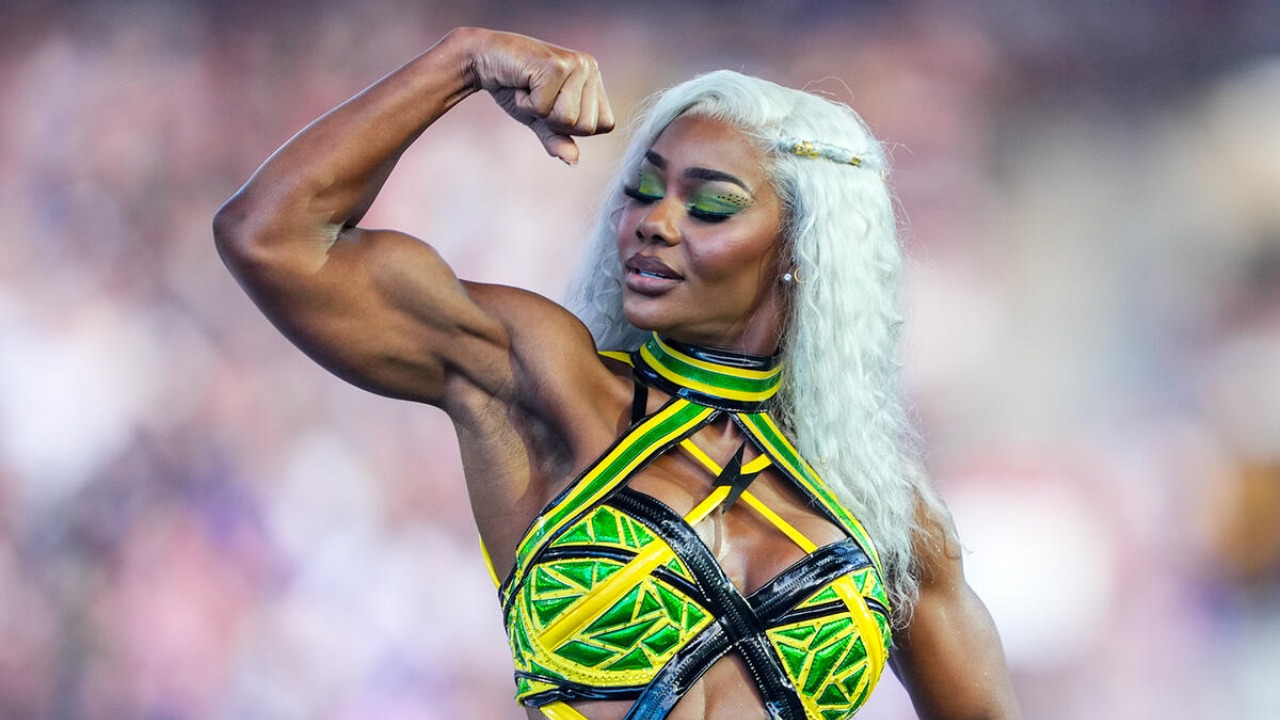
Jade Cargill enters Allegiant Stadium with a statistical profile that would make a prime Goldberg blush. Since her arrival, she has operated as a human cheat code, dismantling the women's division with a clinical, almost mechanical efficiency. Her average match time over the last twelve months has sat at a staggering 4 minutes and 22 seconds, a testament to her power rather than her stamina.
But WrestleMania 41 isn't a television squash. It is a nineteen-minute vacuum where cardio meets psychology. For the first time since her debut, the cracks in the armor are beginning to show, and the opponent across the ring knows exactly where to hammer the wedge. This isn't just a title defense; it is an existential crisis for the 'unbeatable' brand.
The Charlotte Flair Pivot
Recent comments from Cargill herself have added a layer of tactical intrigue to the buildup. As Wrestling Inc reported, the champion admitted she expected a different challenger for the showcase in Las Vegas. The industry consensus was a date with Charlotte Flair, the benchmark of the horsewomen era and the ultimate litmus test for any rising star. That match felt safe, a clash of two genetic outliers that would have followed a predictable power-move trajectory.
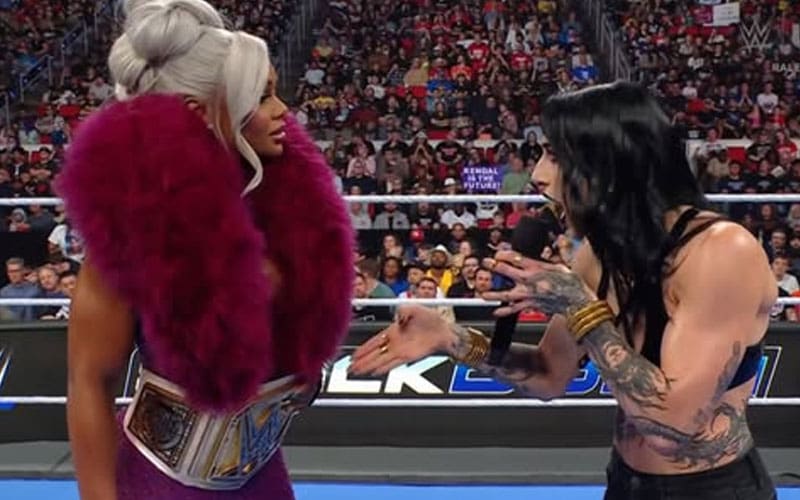
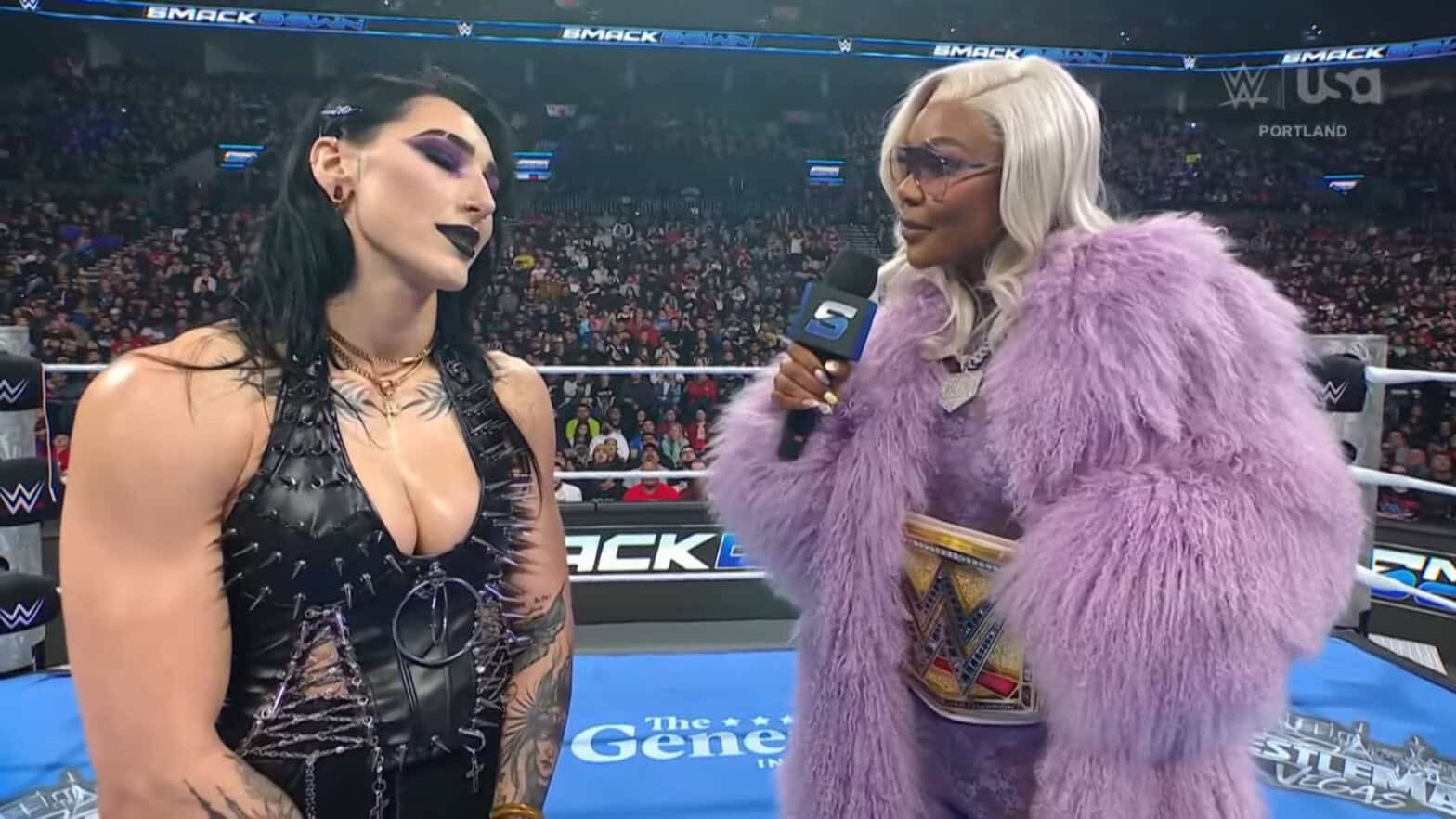
Instead, Cargill finds herself staring down Rhea Ripley. The shift from Flair to Ripley is more than just a name change; it is a complete overhaul of the tactical landscape. Where Flair relies on technical transitions and the Figure-Eight, Ripley brings a level of raw, unadulterated violence that Cargill hasn't had to counter. Ripley doesn't want to out-wrestle the champion. She wants to break her, and that shift in intent has clearly rattled the Cargill camp.
The Tactical Nightmare of Mami
Rhea Ripley operates in the 'pocket' — that dangerous space between a grapple and a strike where Jade usually thrives due to her reach. However, Ripley's center of gravity and low-base striking game negate the height advantage. We saw this at the Royal Rumble when the two shared a brief exchange; Cargill struggled to find her range with the pump kick, nearly overextending her hip in the process. Ripley isn't just another body to be lifted; she is a wrestler who understands leverage better than anyone Cargill has faced to date.
The champion's reliance on the 'Jaded' setup is her greatest strength and her most predictable flaw. The pump-handle lift requires a specific weight distribution from the opponent. If Ripley sits heavy or counters into a sunset flip—a move she utilized effectively against Becky Lynch—Cargill's momentum is neutralized. Jade's win rate might be 100% in 2026, but her efficiency in escaping high-leverage submissions like the Prism Trap is entirely untested.
The Critical Flaw: The Second-Act Slump
We have to be honest about the champion's ring work: Jade Cargill is a phenomenal first-act wrestler. She enters with more presence than anyone since The Rock, and her opening flurry is usually decisive. However, she has shown a persistent tendency to lose her place during the transition into the 'heat' segment of longer matches. During her February defense against Nia Jax, there was a visible three-second delay where Jade seemed to forget the positioning for a corner spot, resulting in an awkward standing-around moment that killed the crowd's energy.
Against a veteran like Ripley, these lapses are fatal. Rhea thrives on capitalizing on dead air. If Jade takes a breath or looks to the crowd for validation, Ripley will have her in a cloverleaf before the referee can even count to two. There is a specific lack of urgency in Jade's selling that feels less like 'strength' and more like a lack of experience in deep-water matches. If this main event goes past the 15 minute mark, the advantage swings violently toward the challenger.
The Betting Line and the Las Vegas Factor
The books have Cargill as a slight favorite, but that is based on momentum rather than mechanics. The Allegiant Stadium crowd is notoriously fickle; they will turn on a champion who feels manufactured if the work-rate doesn't match the presentation. We saw it with Roman Reigns in the early years, and we are seeing the early warning signs with Jade. The 'boring' chants during her recent match on SmackDown were a flare in the night sky. The WWE brass knows they can't afford a flat main event in Vegas.
Ripley, conversely, is at the height of her powers. Her striking is crisp, her timing is flawless, and her connection with the audience transcends the usual heel/face dynamics. She is the 'safe' choice for a high-quality match, but she is also the 'right' choice to keep the division from stagnating under a champion who isn't yet ready for a marathon run. The question isn't whether Jade can lift Rhea; it's whether she can survive the ten minutes of punishment that come before the finish.
The Prediction: A New Era or a Hard Reset?
I am calling it now: Rhea Ripley leaves Las Vegas with the gold. The 'expected opponent' narrative was a smokescreen for the fact that Jade needs a loss to humanize her character. An undefeated streak is a cage that eventually prevents interesting storytelling. By dropping the title to Ripley, Jade gets the chance to show vulnerability and finally engage in a 'chase' that could define her career. Rhea wins via a Riptide from the second rope, a move designed to protect Jade's power while still giving the audience a definitive finish.
Expect the match to be brutal, physical, and probably a little clunky in the middle. But when the referee counts the three at the 18:42 mark, the hierarchy of the women's division will finally feel real again. The era of the squash is over. The era of the battle has begun.
Read Next
- AEW is drowning in empty seats while WrestleMania takes over the world
- Trish Stratus isn't leaving WWE and that makes her WrestleMania 41 role even bigger
- Pat McAfee is burning his babyface equity ahead of WrestleMania 41
- Pat McAfee is finally leaning into the one thing wrestling fans hate
- 🏆 WrestleMania 41 — Full Coverage Hub