The transition from spectacle to starch
Jade Cargill’s tenure as WWE Women’s Champion was marked by a peculiar disconnect between her billing and her output. When she describes that reign as a practice run, she is signaling a shift in her own internal booking requirements. She is no longer satisfied with being the aesthetic centerpiece of a division; she needs the reps to validate the hype.
The criticism here is technical. Cargill’s matches during that initial title period often relied on high-impact spots, but the connective tissue—the sequences that bridge power moves—lacked the fluidity of top-tier workers like Iyo Sky or Bianca Belair. She was protected by a high-intensity, short-duration style that limited her exposure in the ring. This worked for a debut run but would eventually flatten her momentum if ignored.
The necessity for in-ring volume
Recent reports suggest Jade Cargill specifically lobbied for extra match time throughout her championship stint. This is an outlier in modern wrestling, where usually talent prioritizes rest and protecting their physical brand. If she is pushing for longer, more grueling matches, we should expect to see her move into high-volume programs against technical experts like Tiffany Stratton or Charlotte Flair leading into the summer.
Consider the contrast to the AEW environment, where Darby Allin and mentorship figures like Sting established a specific brand of chaotic, high-stakes storytelling. Allin, now the AEW World Champion, has proven that success is about maximizing every minute. Cargill seems to be pivoting toward that same philosophy, looking to move away from the 'special attraction' label and into the category of a workhorse.
Predicting the summer trajectory
By late 2026, Cargill will likely be inserted into a long-form program that abandons the multi-man tag matches that defined her early WWE run. Management is testing her ability to hold a crowd's attention for north of 15 minutes. If she can clean up her pacing, her ceiling remains significantly higher than the rest of the undercard.
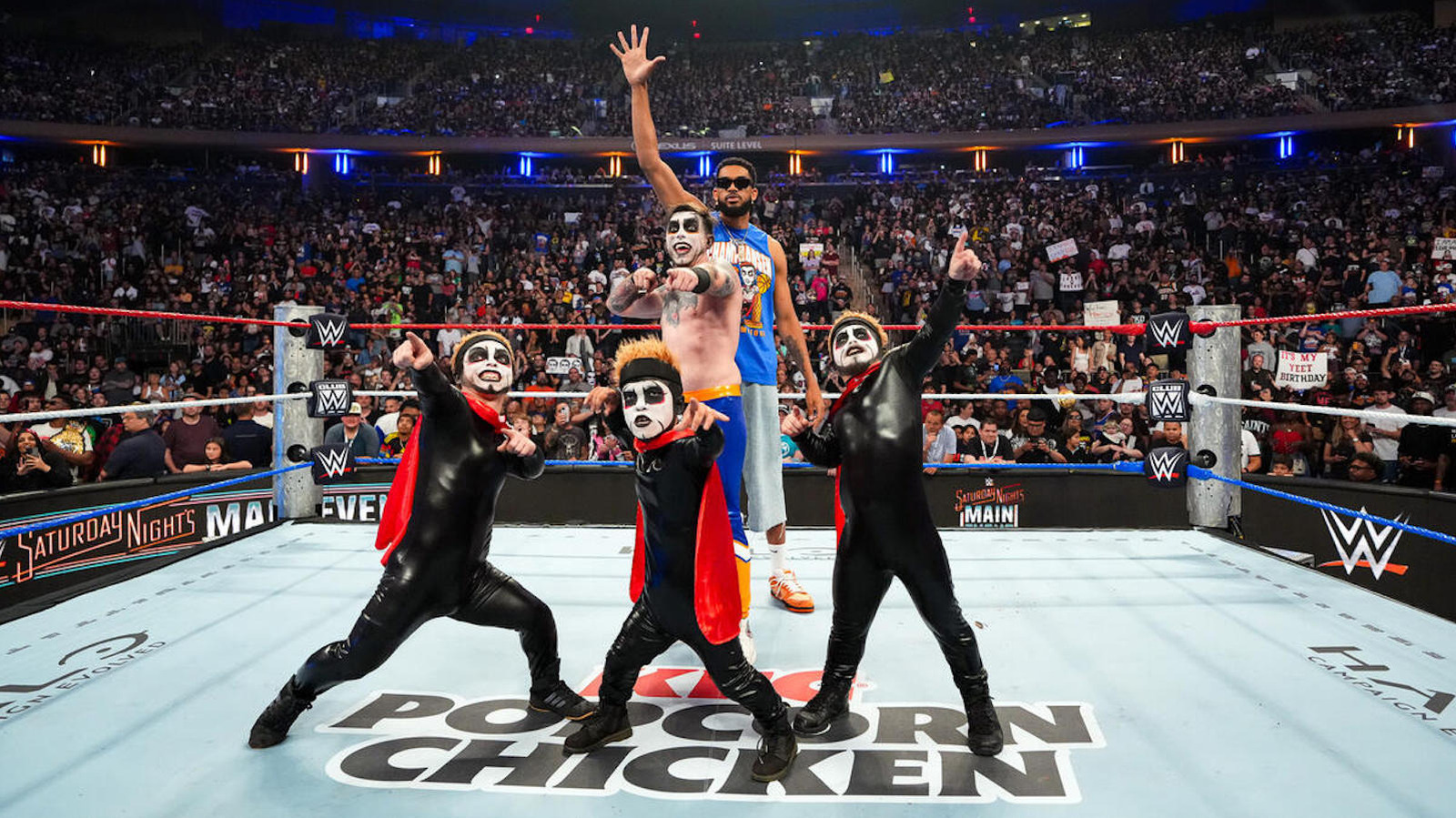
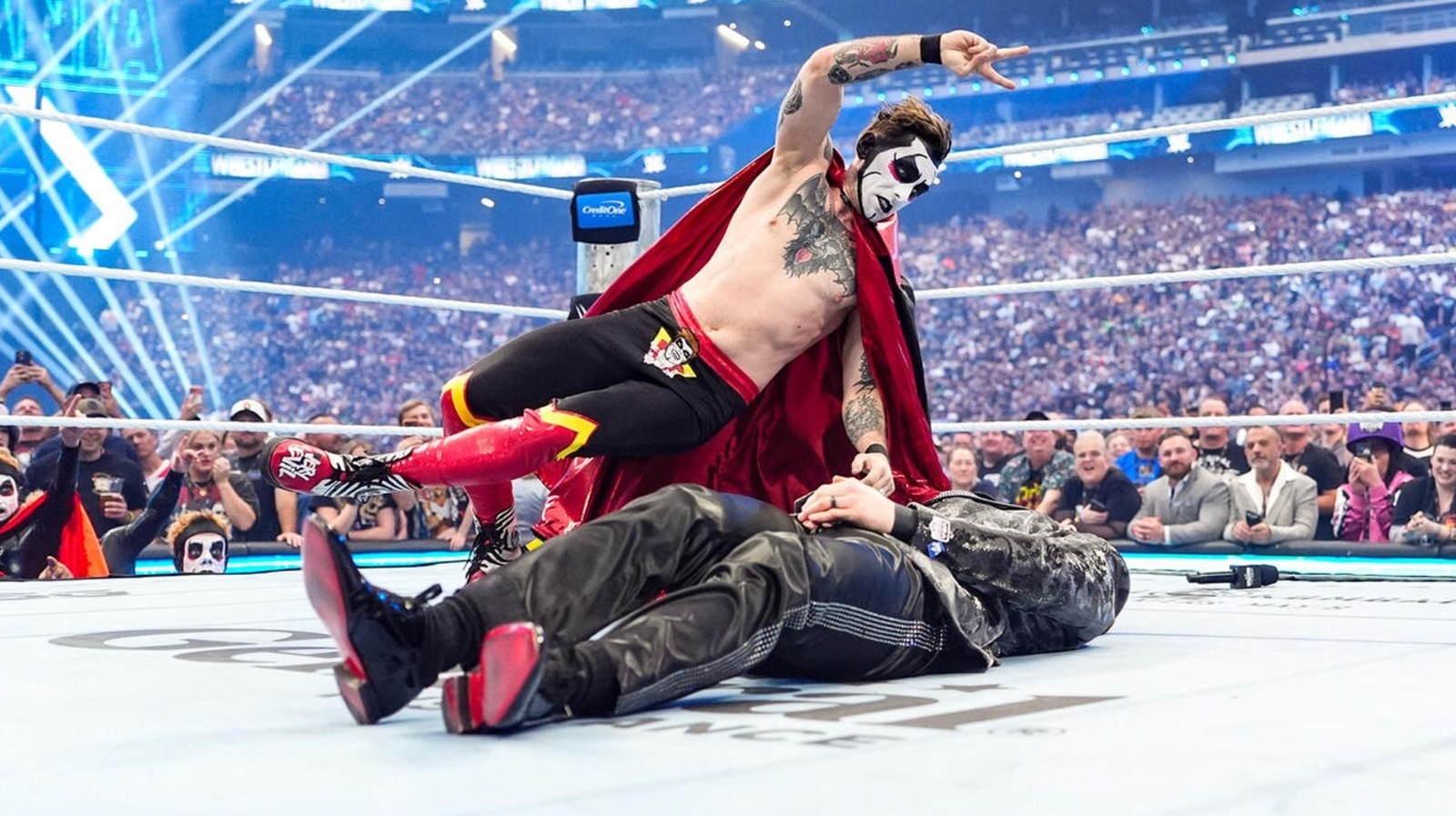
However, the transition comes with risks. Talent who jump from sporadic, high-impact appearances to a weekly, grinding schedule often face significant injury hurdles. We saw this with Danhausen’s transition between promotions, where his character work often overshadowed his physical viability in the squared circle, as detailed by his recent reflections on being underutilized.
My prediction for the remainder of the year is simple: Cargill will stop being treated as a television segment and begin being treated as a professional wrestler. Her win percentage will likely regress toward 65% as WWE challenges her with more competitive, back-and-forth contests. If she executes, she will be the primary foil for whoever holds the belt heading into the autumn months. If she fails to adapt her footwork under the pressure of a 20-minute window, her ceiling will be set indefinitely.