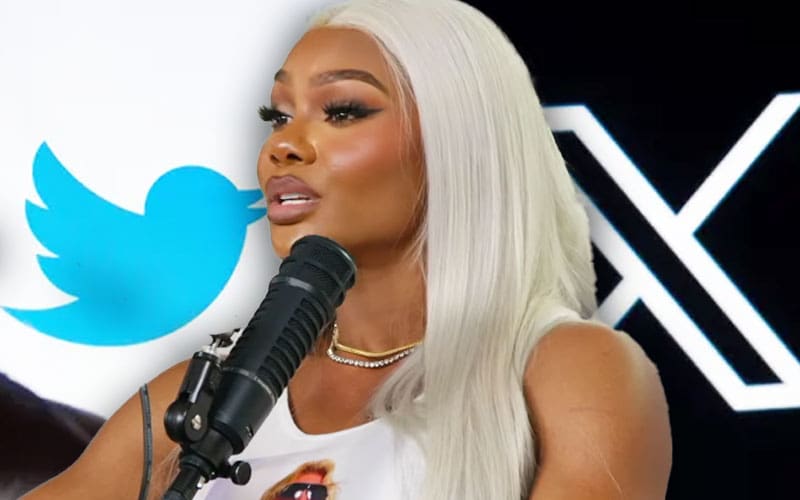
Jade Cargill might be chasing the wrong alignment for her WWE ceiling
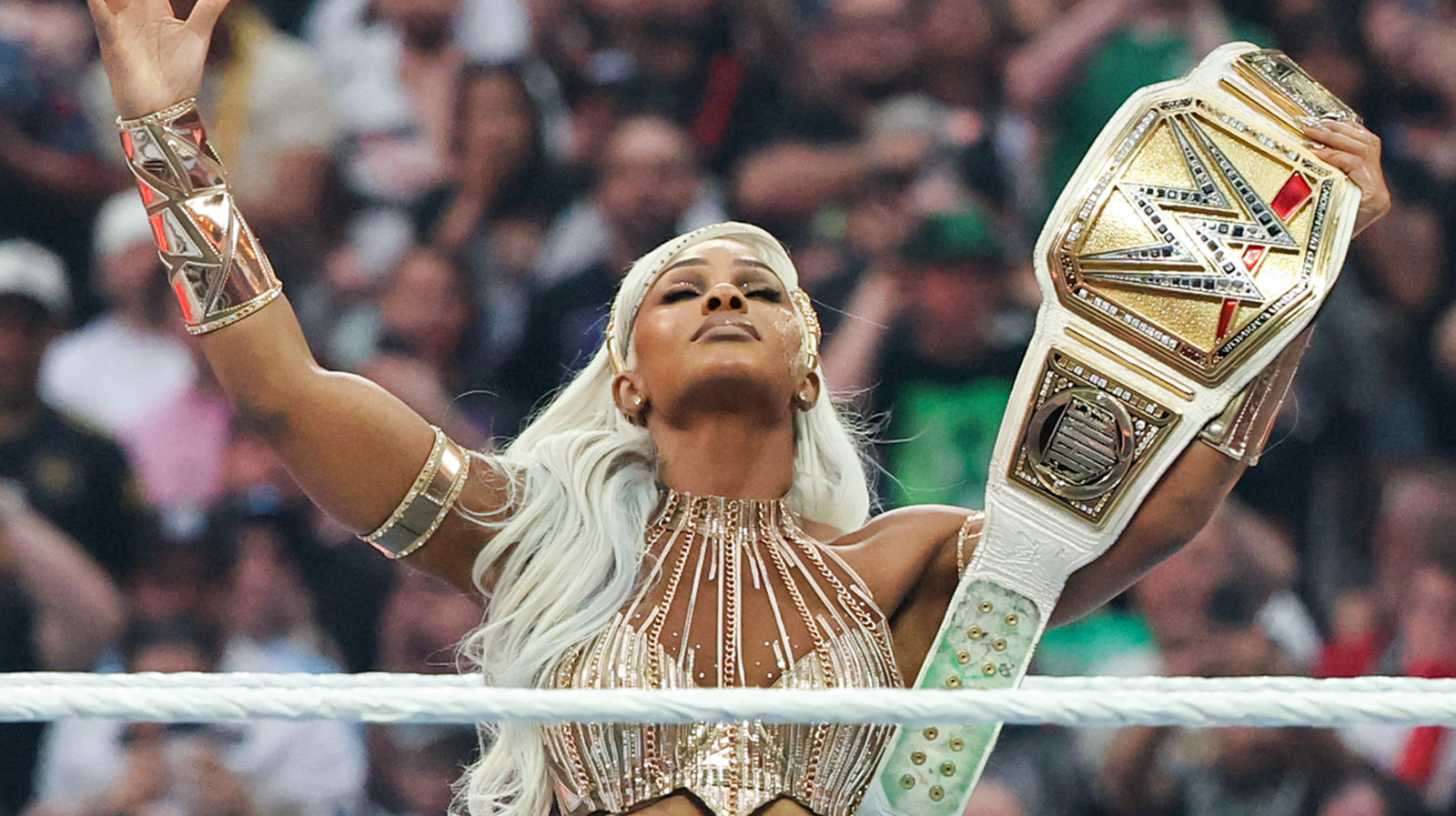
The friction between presentation and audience reaction
Jade Cargill recently appeared on the Rich Eisen Show to diagnose her own character work. Her assertion that she is a natural heel creates an interesting conflict with the way the audience currently interacts with her.
Standing at nearly six-foot, Cargill brings an undeniable athletic gravitas to the ring. Her frame and power-based offense, specifically her frequent utilization of the Jaded and high-impact pump kicks, often trigger an organic hero response regardless of how she conducts herself on the microphone.
We have reached a juncture where management often mistakes a performer's physical intensity for innate villainy. If a wrestler relies on dominance and confidence, the modern crowd—conditioned by years of anti-hero tropes—frequently chooses to support them. Fighting the current is effectively a dead end.
Tactical analysis of the heel-face divide
Data from Beyond Wrestling on June 5, 2026, highlighted how recent industry shifts have forced promotions to reconsider their pacing and crowd engagement strategies. When audiences are treated to high-density, high-action performances, they naturally gravitate toward the most efficient athlete in the ring.
Cargill’s insistence on a heel dynamic feels like an attempt to work against the mechanics of her own presentation. If you watch her recent footage, the crowd isn't booing her heelish bravado; they are marveling at the sheer physicality of her strikes. In the current era of wrestling, the capacity to move merchandise and generate noise is binary. You are either a spectacle or you are in the way.
The issue for WWE is clear. If they force a heel alignment on a performer whose signature moves rely on explosive athleticism, the transition is inevitably discordant. As we noted while analyzing the cost of front-office decision-making, forcing a character direction typically leads to bloated, inefficient storytelling.
Why the natural heel claim misses the mark
The argument for being a natural heel usually relies on the ability to draw heat via promos and condescension. However, being a heel in the modern ring requires a specific level of vulnerability and bump-taking—a willingness to look inferior for long stretches of a match.
Cargill’s in-ring utility is built on being the one who dictates terms. When she spends 15 minutes of a match selling and working from underneath, she loses the essence of what actually makes her interesting. If the goal is long-term sustainability, her booking needs to match her physical presence rather than her current self-diagnosis.
A critical observation regarding her presentation has been the lack of sustained in-ring adversity in her booking. If she remains in a heel role without a significant foil to emphasize her supposed villainy, the act remains static. The audience doesn't want someone who acts tough; they want to see someone who hits harder than everyone else.
WWE is currently preparing for their summer schedule, which is significantly shorter than the build-up cycles seen in previous years. With the FIFA World Cup kickoff occurring on June 11, 2026, the attention of the sports world is shifting elsewhere. Keeping a character direction that confuses the viewer is an unnecessary risk.
If Cargill truly intends to operate as a heel, she needs to move away from the high-impact, crowd-pleasing finishes that turn her into an unintentional fan favorite. Until then, the crowd will continue to cheer for the spectacle she provides, regardless of how many sneers she adds to her entrance.
WWE Ultimate Edition John Cena "Farewell Tour" Action Figure
A premium tribute to the GOAT's final run in the squared circle.
Frequently Asked Questions
Why does Jade Cargill struggle to play a traditional heel character?
What is the primary conflict with Cargill's ring work and heel persona?
How do modern audiences react to physical intensity in wrestling?
What are the risks of forcing a heel role on dominant wrestlers?
What does Jade Cargill need to succeed in her long-term WWE booking?
More Coverage
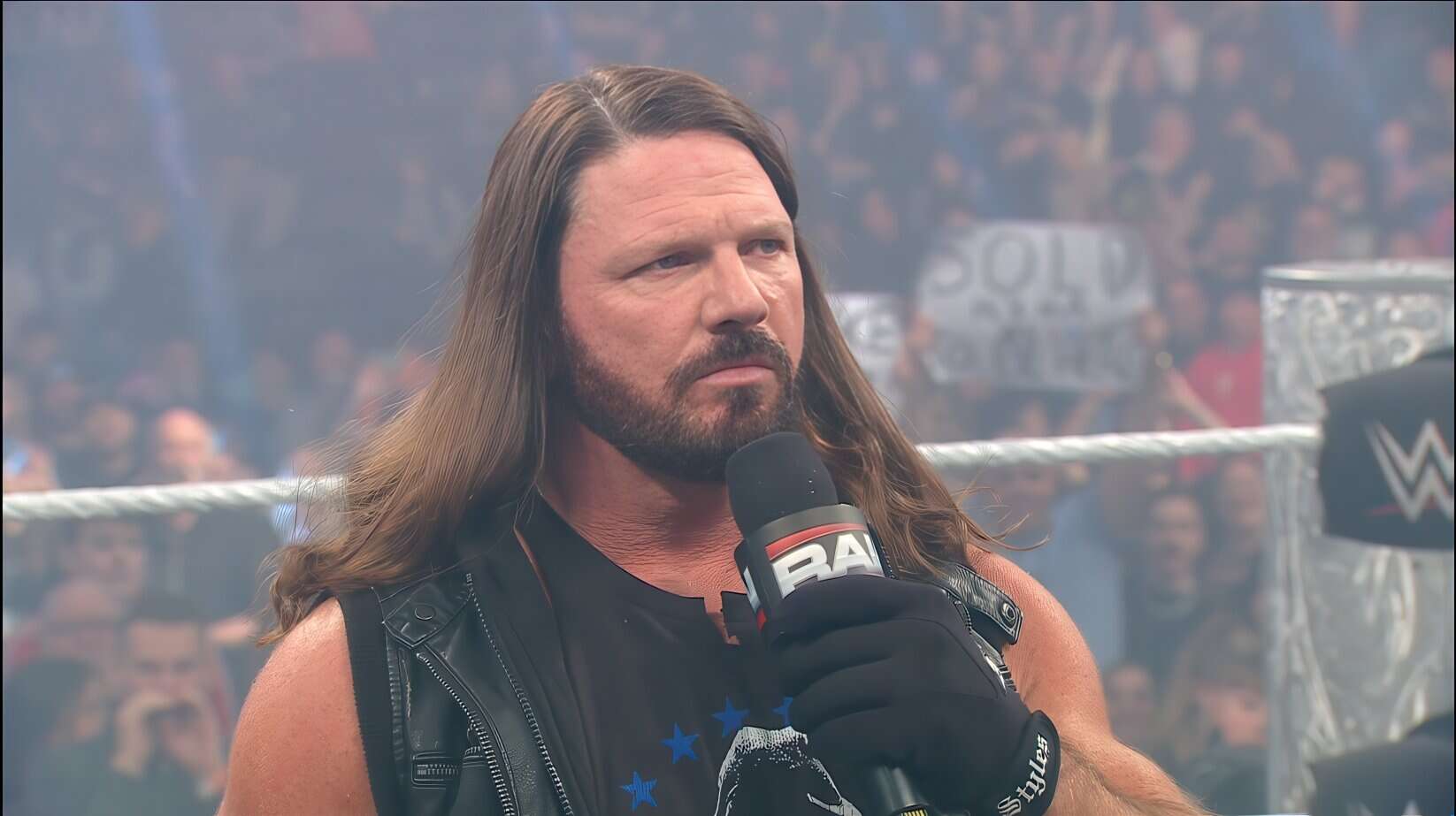
AJ Styles walked away on his terms, but the door isn't fully locked
19 minutes ago
Penta's mask controversy complicates his impending free agency as WWE and AEW monitor
19 minutes ago
Nic Nemeth wants Rollins vs Knight but don't count on it
an hour ago
Nick Aldis vs. GUNTHER at SummerSlam is a high-stakes gamble WWE can't afford to mess up
an hour ago
Jim Ross is right: WWE obsession is killing wrestling analysis
2 hours ago
Cody Rhodes battles lingering injury following chaotic backstage skirmish
2 hours agoMore Analysis
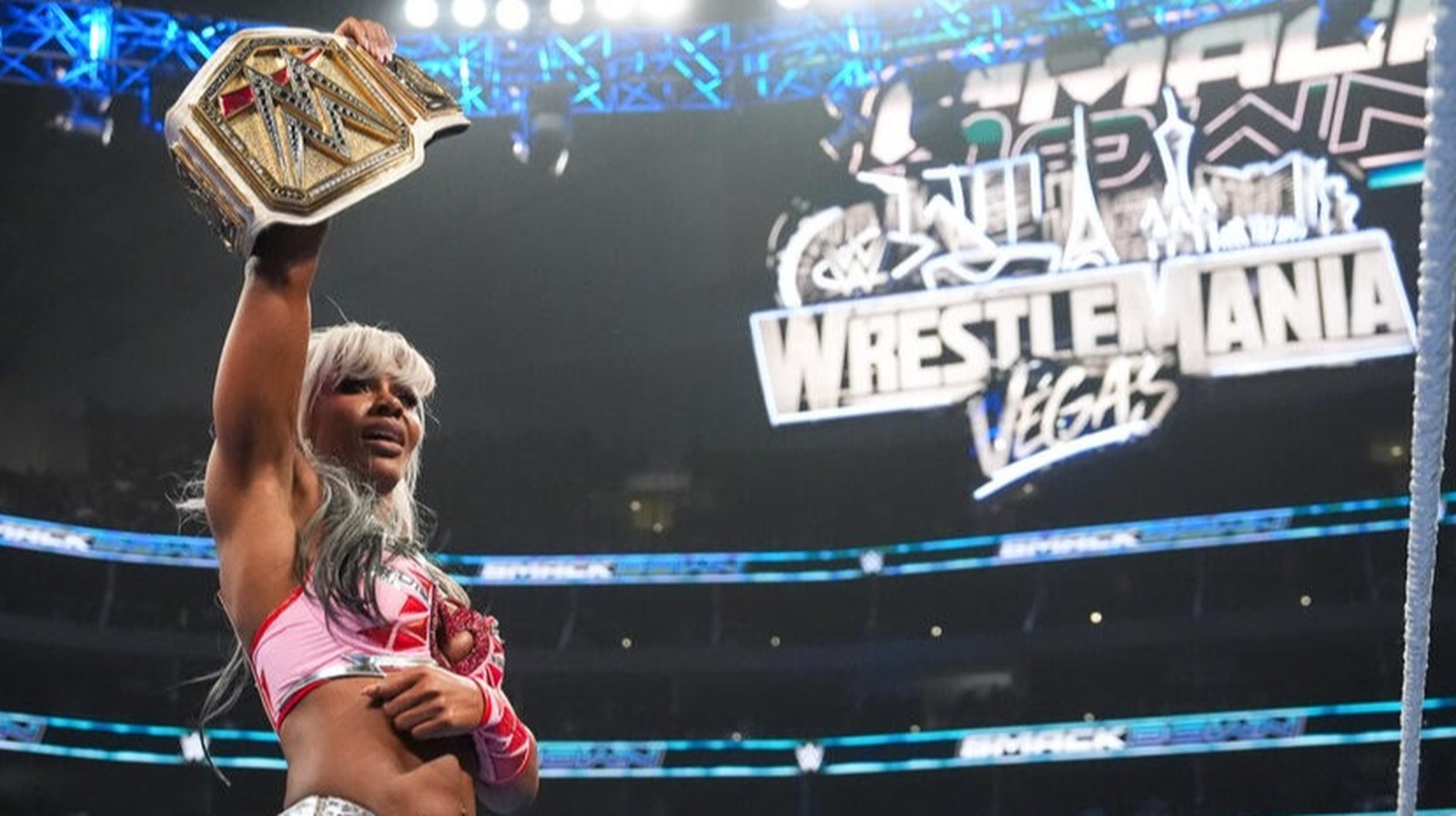
Why the internet is still fighting over Jade Cargill's heel potential
3 months, 4 weeks ago
Jade Cargill is running out of excuses
2 months, 3 weeks ago
Jade Cargill needs to find her rhythm beyond the physical spectacle
1 month, 1 week ago
Jade Cargill needs more than just a prepped wig to catch Charlotte Flair
3 weeks, 6 days ago
Jade Cargill is playing a dangerous game with her WWE positioning
3 months ago