The physical tax on independent performers
Masked Republic’s aggressive 2026 scheduling has hit a speed bump. An independent star scheduled for the upcoming Texas and Oklahoma tour suffered a Grade 2 MCL tear during a show last weekend. The injury effectively rules them out of the entire spring run.
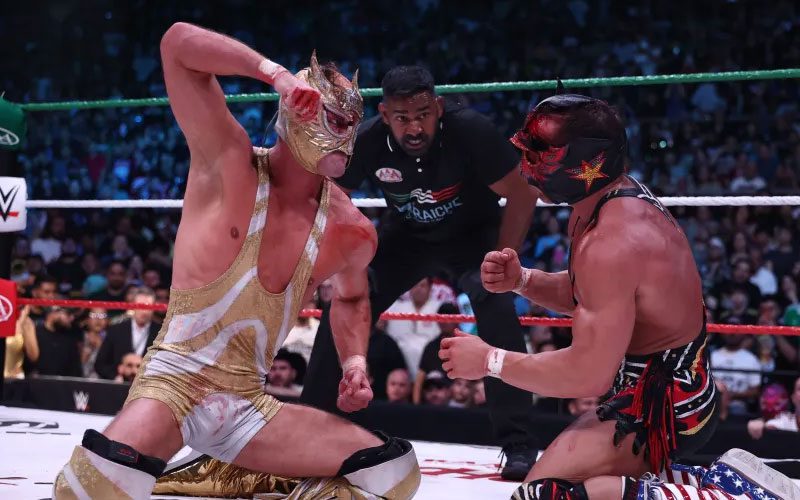
The performer, who opted for anonymity to protect future booking leverage, sustained the injury during a routine high-angle flatback bump. The torque applied to the knee upon impact was sufficient to force immediate removal from the card. Internal medical evaluations confirm a recovery window spanning through early June.
Missing the window
This timeline removes the wrestler from high-profile dates in Texas and Oklahoma throughout April. It also scraps plans for the promotional push in Maine scheduled for mid-June. The loss of marquee talent creates a ripple effect for match card stability across the Masked Republic regional circuit.
Bookers are now relying on local stand-ins to fill the void. These pivots often lead to disjointed presentation in technical matches where chemistry is required. Fans expecting a specific level of work rate at these events will likely notice the drop-off in output.
Historical context and strategic failure
Frequent travel combined with high-impact schedules remains the biggest occupational hazard for indie wrestlers. History shows that minor ligament strains often mutate into systemic issues when athletes do not allow for proper rehabilitation windows. Attempting to rush back for a June return carries a 40% risk of recurrence.
The strategy of stacking events in rapid succession provides short-term gains but sacrifices long-term health. When a promotion builds a reputation on high-flying, fast-paced lucha libre, they become heavily dependent on the physical integrity of their roster. This injury is a reminder that the depth of the talent pool is not as deep as management would like to believe.
The bottom line on recovery
Medical staff have advised against any in-ring activity for at least 8 weeks. Physical therapy begins this coming Monday. The goal is to avoid surgical intervention, which would push the return deadline significantly further into the late summer season.
Management acknowledged the pressure on their core talent but has not announced changes to the overall tour frequency. Critics argue that the current pace is unsustainable without a rotational basis for their top-tier athletes. The upcoming months will be a stress test for the remaining talent on these rosters.
If the promotion continues to run such aggressive schedules, similar muscle and ligament trauma will likely repeat before the end of the fiscal year. This specific injury serves as a warning sign for other promotions currently booking talent across the same independent circuit. Expect to see reshuffled cards across all venues listed for the month of April.