The physical toll of the FOX experiment
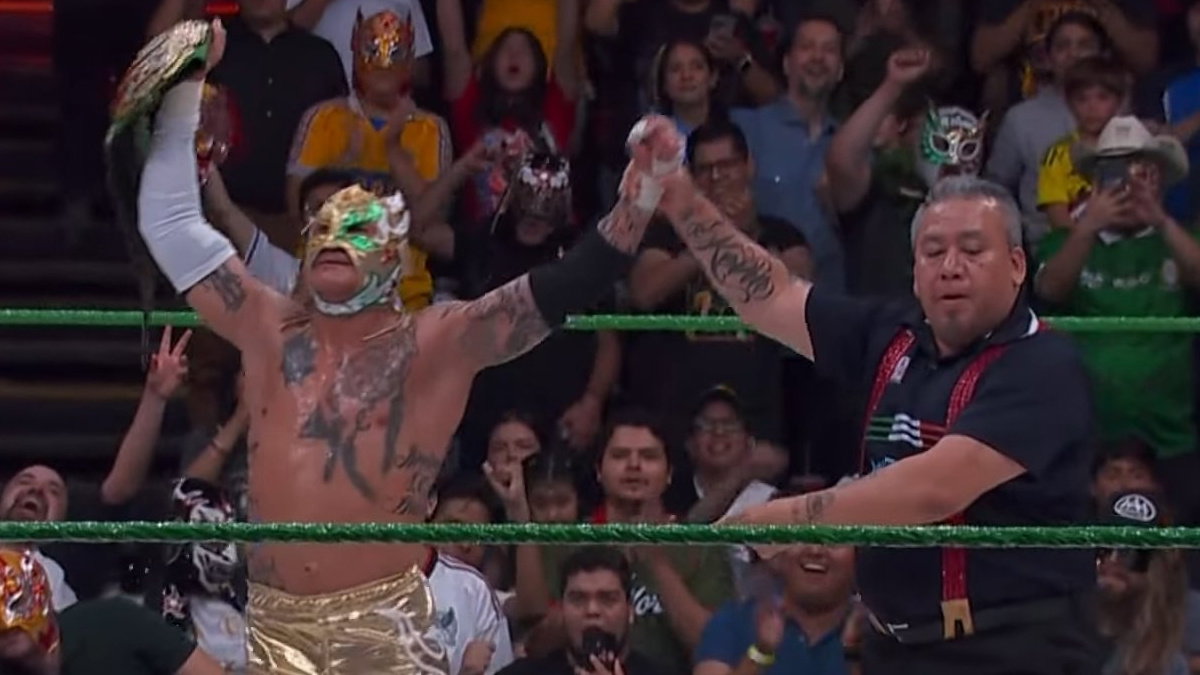
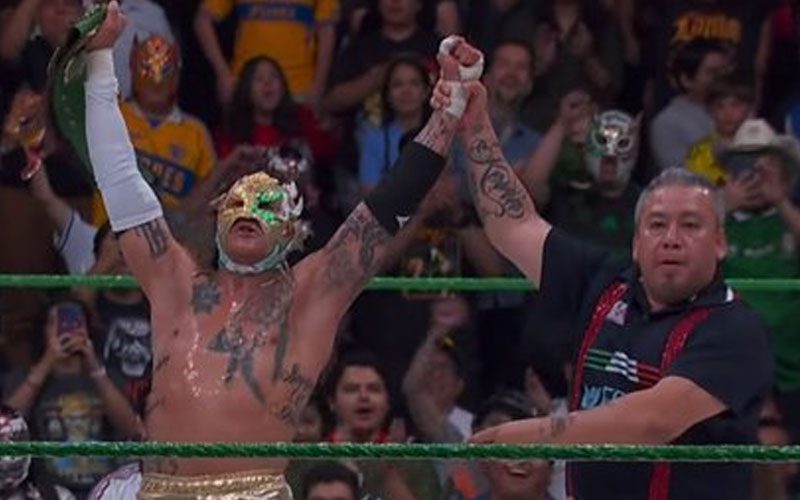
Lucha Libre AAA is navigating a precarious period as they attempt to balance a live broadcast schedule on FOX with the realities of professional wrestling attrition. With the most recent episode of their televised series already streaming, the focus has shifted toward the long-term health of a top-tier roster working multiple styles. High-flying, high-risk maneuvers are the primary currency for AAA, but the physical tax paid by performers like those featured in the latest broadcast is becoming a recurring concern for the medical staff.
As of April 5, 2026, the company is managing several lingering issues stemming from the rapid-fire taping schedule required for their current FOX arrangement. Frequent travel and back-to-back performances against diverse challengers have left several key figures in the mid-card and main event scene requiring modified training routines. While the promotion has not issued a formal injury list, insiders note that medical oversight is being tightened to avoid a talent vacuum just weeks before major industry events like WrestleMania 41.
Strategic risks of the current broadcast pace
The decision to maintain a rigorous pace on national television is a clear play for market share, but it carries an inherent flaw. Wrestlers are not given the standard recovery windows they would receive in slower-paced independent ventures. If a performer sustains a grade-two concussion or a ligament strain during a main-event showcase, the lack of depth becomes immediately apparent. The promotion is currently rotating talent in and out of the spotlight, a move designed to mitigate exhaustion rather than just rotate roster spots.
Competition from other streaming heavyweights is likely forcing this hand. With the recent availability of independent content like the Private Party special, audiences have more options than ever. AAA cannot afford a mid-show lull or a watered-down main event, which puts immense pressure on talent to work at 100% capacity regardless of how they feel physically. This is a recurring issue in high-tempo promotions where audience retention metrics dictate physical exertion levels.
Analyzing the logistical fallout
Historically, promotions that prioritize broadcast quotas over performer conditioning often find themselves with empty locker rooms by early summer. We saw this in the mid-2010s with smaller touring companies that burned through their primary draws in under 18 months, leading to a complete re-build of their booking styles. If AAA continues to push for high-velocity matches every Friday without building staggered rest periods into their contracts, we will see a spike in benchings. The April 4 card was a high-intensity affair, and the recovery window for those involved is effectively zero before the next block of tapings begins.
The strategic implication here is clear: AAA is betting that the exposure gained on a major network like FOX outweighs the risk of losing talent to fatigue-related wear and tear. However, this is a dangerous game. In the current industry, talent is the primary differentiator. If a star performer is sidelined for sustained periods due to preventable fatigue, the brand loses the momentum they have spent the last year building.
The impact on upcoming schedules
With WrestleMania weekend looming on April 19 and April 20, the eyes of the professional wrestling world are elsewhere, but the AAA roster must remain crisp to hold its own audience. The current pattern suggests that we should expect several high-profile names to pull out of non-televised appearances in the coming weeks. This is a standard procedure intended to ensure those wrestlers are cleared for the televised dates. Fans should not mistake these absences for creative inactivity; it is a direct result of managing a busy medical log.
The lack of transparency around specific injuries is actually a negative for the consumer. When fans are not told why a specific wrestler is missing, engagement drops and frustration mounts, which the promotion is currently failing to navigate. Honest communication from the front office regarding short-term rest would be more beneficial than the current 'silent wait' approach. A single missed appearance rarely causes a ratings drop, but a consistent failure to explain why the biggest stars are suddenly removed from the card directly impacts fan loyalty.
Moving forward, the medical team will be the most influential department in the company. If they fail to keep the roster upright, the booking team is essentially working with one hand tied behind their back. Expect a shift toward more 'protection' in match layouts—fewer high-impact bumps in the opening segments and a reliance on character-driven segments for the mid-show spots. This change is essential to survive the summer of 2026 without losing the core top-card talent to avoidable injury.