Is the locker room holding together with duct tape?
Rhea Ripley limping out of a Madrid house show this past Thursday has sent the IWC into a total tailspin. We’ve all seen the grainy fan-shot footage of that knee, and frankly, it looks like a disaster waiting to happen. You don't just see a top-tier performer go down in the middle of a routine spot without your heart sinking into your stomach.
The speculation is running rampant on forums, and honestly, I don't blame them. When someone as essential as Rhea gets hurt during a live event, the logic of running house shows for international tours starts feeling slightly dated. Why risk the biggest star in the division for a non-televised crowd in Spain?
Some folks are calling for a complete ban on high-impact spots during tours. Then you have the old-school crowd claiming that if you can't work a house show, you can't be a champion. It’s the constant tug-of-war between safety and the grind that makes the recent injury rumors feel so heavy this week.
The indie underground keeps the heartbeat alive
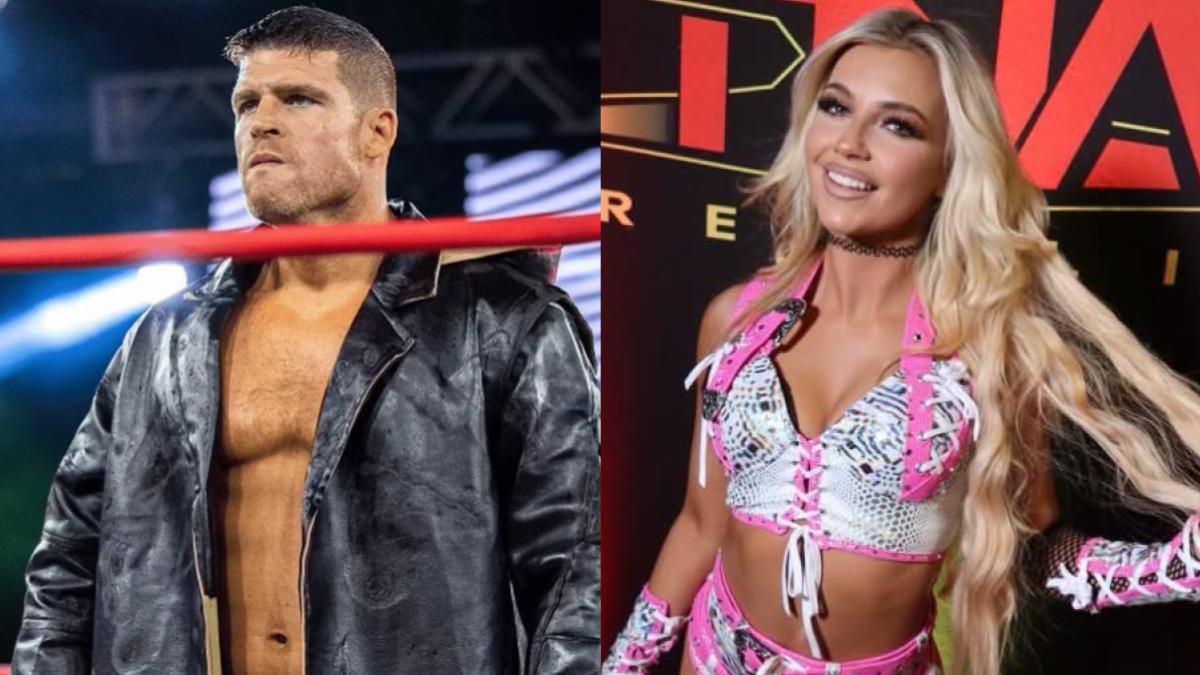
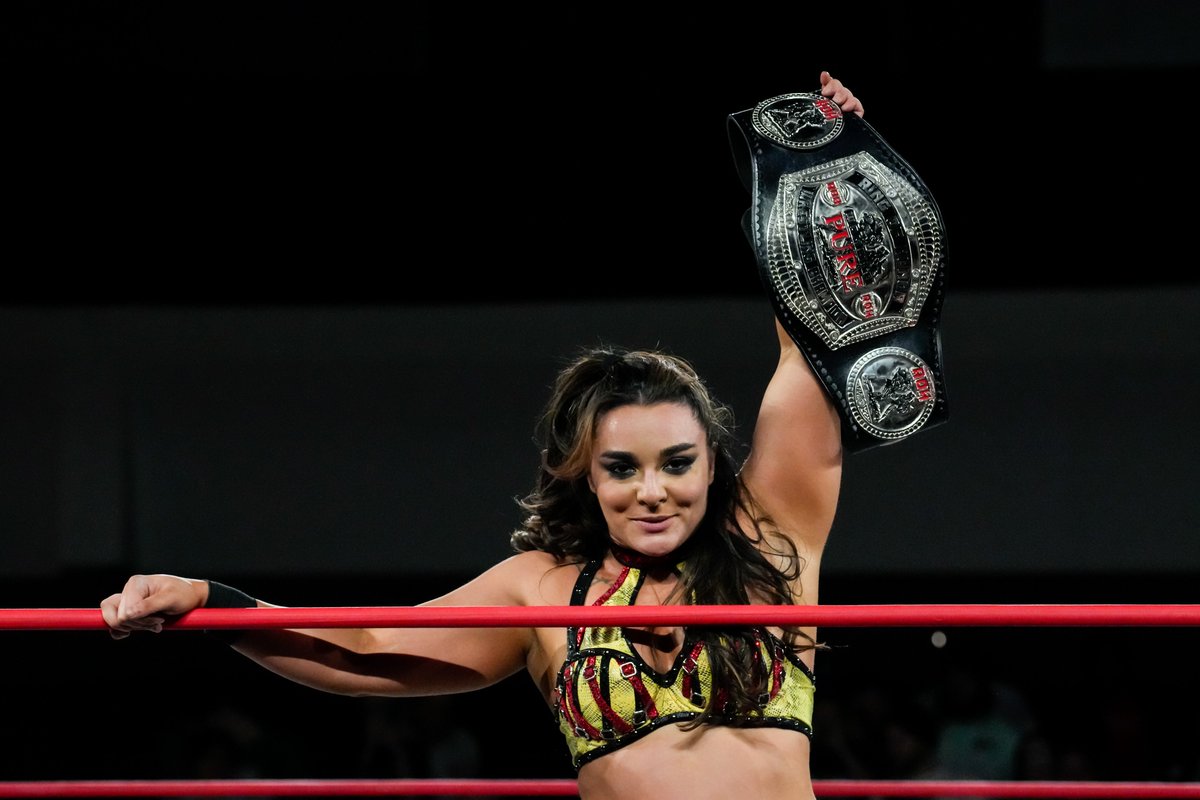
While the WWE machinery sorts out its medical reports, Steve Maclin and Deonna Purrazzo are doing the real work. They just pulled the trigger on The Battle for the Brave, a live-streamed show out of Rahway that feels like a breath of fresh air. It’s gritty, it’s local, and it doesn't give a damn about corporate synergy.
Seeing wrestlers take ownership of their own booking is the best trend we’ve seen in years. Maclin and Purrazzo are creating a stage where they call the shots. The fan reaction has been massive, mostly because people are starved for something that doesn't feel like a three-hour television script designed to sell shirts.
Purrazzo isn't just sitting still on the indie circuit, either. She’s already making noise about who she wants to tangle with at Forbidden Door and Global Wars. If you look at her recent comments about potential opponents, you can tell she’s looking for a challenge that pushes her technical limits.
The clash of the purists and the profit-seekers
The divide in the fan sentiment right now is wild. One side is absolutely obsessed with the gatekeeping of legends—insisting that work-rate is all that matters. They are the ones breaking down every frame of the Madrid footage like it’s the Zapruder film. They blame the booking, they blame the training, and they blame the lack of rest days.
Then you have the pragmatists who know this is a business. They argue that injuries are a cost of doing commerce. They’ll point out that for every Rhea Ripley injury, there are ten other shows where the performers got through clean and gave the fans their money's worth.
My take? The pragmatists have the stronger argument, but only by a hair. It is not about the risk of injury; it is about the management of talent. If you have someone who sells out venues, you protect that asset like your life depends on it. Running a house show on a European tour is a massive risk that yielded negative returns this week.
Analyzing the booking choices
Let’s be honest about the flaws here. The booking of house shows is currently lagging behind the physical intensity of the modern female roster. These women are hitting move sets that would have been reserved for pay-per-view main events fifteen years ago. A rolling elbow into a Code Red is no longer a finisher, it’s a standard transition.
We are watching athletes push the boundary of what the human body can endure while the schedule remains stuck in the 1990s. The industry is essentially asking for these injuries. If they don't adjust the intensity or the frequency, we are going to keep seeing top-tier talent sidelined before big summer moments.
It’s frustrating to watch because the product is objectively great, but the maintenance of the wrestlers themselves is lagging. When the dust settles on the Madrid situation, the front office should take a hard look at their travel and workload requirements. You can’t have a premier product if you spend half the year waiting for your biggest names to return from medical leave.
The contrast between the Rahway event and the WWE situation is a perfect microcosm of current wrestling. On one hand, you have independent spirit and creative control giving us a raw, authentic product. On the other, you have a global giant struggling with the human cost of their immense scale. It is a messy time to be a fan, but at least nobody is bored.