
The Big Picture
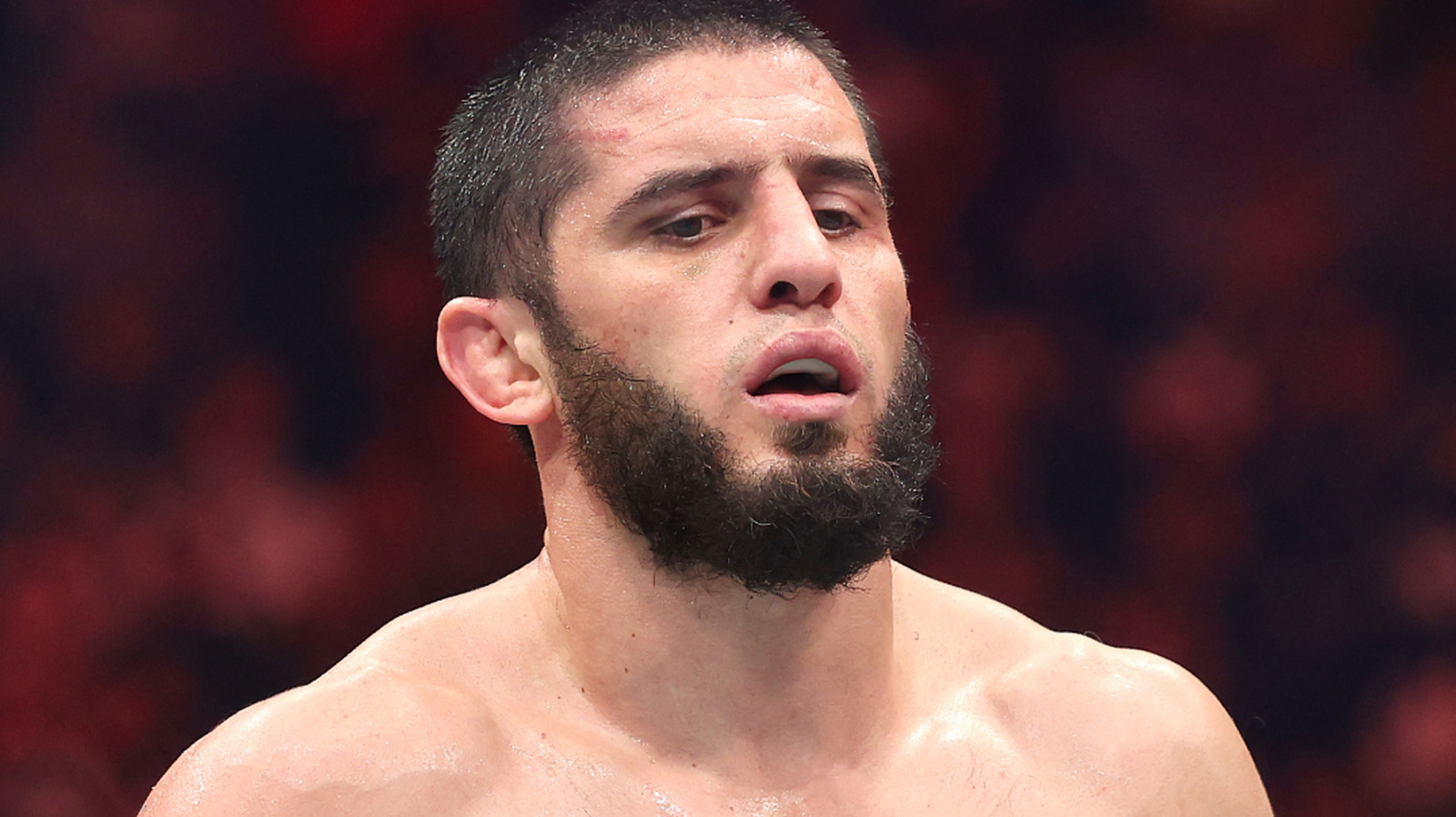
Ian Machado Garry turned up the heat this week. The top UFC contender publicly labeled Islam Makhachev a "princess" ahead of their rumored bout scheduled for this August. Makhachev, as expected, was not impressed by the insult.
On the surface, this looks like standard pre-fight promotional work. Garry needs to generate interest. Makhachev holds the cards.
But when you look at this matchup through a medical and physical performance lens, Garry's choice of words is highly calculated. Calling a Dagestani champion a "princess" is a direct attack on his durability, his willingness to fight frequently, and his physical resilience. Garry is trying to exploit a narrative about Makhachev's activity level and the physical wear and tear on his body.
The reality is that surviving at the top of the UFC food chain is a medical nightmare. It breaks bodies down systematically. We need to examine exactly what an August timeline means for the physical health of both men.
The Physiology of the Dagestani Mauling
To understand Makhachev's physical state, you have to look at how he fights. The Dagestani chain wrestling style is incredibly taxing on the human body. It is not just about technique; it requires immense isometric strength and constant pressure.
When Makhachev locks his hands and begins chaining takedowns — moving from a single leg to a body lock, and eventually transitioning to a trip — he is engaging every major muscle group in his opponent's body. He forces them to carry his weight. But this also requires Makhachev to exert massive amounts of energy. The gripping, the pulling, and the constant directional changes take a heavy toll on his own joints and ligaments.
Fighters who employ this style often suffer from chronic back, shoulder, and knee issues. The repetitive stress of shooting for takedowns and defending violent scrambles degrades the cartilage over time.
Garry's insult implies a lack of toughness. But from a sports science perspective, Makhachev's body has simply absorbed a tremendous amount of structural damage over his career. The time between fights isn't always about avoiding contenders. Often, it is strictly necessary for basic physical rehabilitation and injury management.
The Weight Class Variable
We do not know for certain if this August bout will take place at lightweight or welterweight. Makhachev has long spoken about moving up to the 170-pound division. Garry is a massive welterweight who uses every inch of his frame to keep opponents at the end of his punches.
If Makhachev stays at 155 pounds, he faces a brutal weight cut. He is a large man for the lightweight division. Shedding that final water weight is physically traumatic. Dehydration reduces the fluid around the brain, leaving fighters significantly more susceptible to concussions.
It also drains the muscles of glycogen, severely impacting cardiovascular endurance in the later rounds. If Makhachev fights Garry at lightweight, the physical deficit will be massive. Garry would likely enter the cage significantly larger, heavier, and more hydrated.
If the fight happens at 170 pounds, Makhachev's medical profile changes entirely. He gets to keep his functional muscle mass. He avoids the severe systemic shock of extreme dehydration. A fully hydrated Islam Makhachev is a terrifying prospect, but he would still be giving up natural size and reach to Garry.
Ian Machado Garry's Biomechanical Needs
Ian Machado Garry relies heavily on speed, distance management, and high-volume striking. His entire defensive system is built on footwork. He needs to maintain space to operate effectively.
From a biomechanical standpoint, Garry's style requires explosive fast-twitch muscle fiber activation. He needs his legs to be completely fresh to bounce in and out of range. The moment his legs get heavy, his striking defense falls apart entirely.
This is exactly where Makhachev's grappling becomes a serious physical threat. The core strategy against a movement-heavy striker is to clinch them, put weight on them, and make their legs burn. Lactic acid buildup in the quadriceps and hamstrings is a striker's worst enemy.
Once the legs are compromised, Garry's punching power drops significantly. His ability to retreat vanishes. Makhachev knows exactly how to induce this rapid muscular fatigue.
Garry calling Makhachev a "princess" is a psychological play designed to keep the fight on the feet. He wants Makhachev to feel the need to prove his toughness by engaging in a striking battle. If Makhachev strikes, Garry can utilize his length and keep his legs fresh.
The Historical Precedent of Questioning Durability
We have seen this exact psychological and physical attack play out before in the octagon. When Conor McGregor relentlessly mocked Jose Aldo's durability and physical state leading into UFC 194, the pressure completely changed Aldo's approach. Aldo, a notoriously calculated striker, rushed forward wildly and was knocked out in 13 seconds.
Chael Sonnen used a similar tactic against Anderson Silva prior to UFC 117. Sonnen aggressively questioned Silva's toughness and willingness to engage in a grueling, grinding fight. Silva ultimately won via submission, but he absorbed a tremendous amount of physical damage during the five-round war after being drawn into Sonnen's pace.
Garry is attempting the same manipulation here. By questioning Makhachev's willingness to fight, he is daring the champion to abandon his most energy-efficient game plan. A champion fighting on emotion burns oxygen faster and makes physical mistakes.
The August Timeline and Camp Attrition
April is wrapping up. An August fight date gives both men roughly 12 weeks to prepare. That is a standard full training camp in modern MMA. But three months of high-intensity fight preparation is essentially a controlled car crash.
Fighters spend the first four weeks building their aerobic base and increasing their physical strength. The middle four weeks are heavy on hard sparring and live grappling rounds. This is exactly where the severe injuries happen. Ribs get bruised, ankles get sprained, and orbital bones take heavy impacts.
The final four weeks are about sharpening timing and beginning the brutal weight drop. The immune system crashes dramatically during this phase. Fighters are highly vulnerable to staph infections and severe illness just weeks out from the event.
Garry needs to ensure his shins and feet remain entirely healthy. Throwing hundreds of kicks in training inevitably leads to bone bruising. Makhachev has to protect his neck and lower back during heavy wrestling rounds with fresh training partners.
Neither man will walk into the cage at 100 percent. The winner is often simply the fighter who managed their physical decay better during the camp.
A Critical Flaw in Modern Matchmaking
The UFC's current scheduling model often forces fighters into less-than-ideal physical situations. The constant rush to book massive main events means athletes frequently sign contracts while still nursing major injuries from their previous fights.
This is a glaring issue in the sport right now. The immense pressure to remain active and financially relevant pushes fighters to ignore sound medical advice. They mask pain with cortisone shots and push through severe structural damage just to make the walk.
Makhachev has faced heavy criticism for fighting less frequently than some of his peers. But from a pure longevity standpoint, taking adequate time off to properly heal is the only smart move. The human body is not physically designed to endure three consecutive title fight training camps in a single calendar year.
Garry's public taunts play right into the UFC's promotional machine, which consistently rewards reckless activity over measured career management. The fans want violence, and they want it often. But demanding constant activity from fighters who endure this much physical trauma is inherently dangerous to their long-term health.
What to Watch For in the Coming Months
As we move through May and June, pay close attention to any training footage released by both camps. Look closely at how Makhachev moves his upper body. A stiff neck or a distinct reluctance to shoot deep could easily indicate underlying damage from previous camps.
For Garry, watch his footwork in the sparring clips. Is he bouncing effortlessly, or does he look flat-footed? A flat-footed Ian Garry against a wrestler of Makhachev's caliber is a guaranteed recipe for a brutal night.
The war of words has started early. The insult guarantees this buildup will be heavily scrutinized. But the real battle is already happening in the physical therapy rooms and the ice baths.
The August clash will not just test their technical skills. It will be a definitive referendum on whose body can withstand the absolute brutality of an elite UFC training camp.


